Vegetarian Diet for Weight Loss: Simple Meal Plan to Lose Weight Without Hunger
Many people, when they hear the phrase vegetarian diet for weight loss, immediately imagine very light food or a strict diet full of restrictions. But the truth is quite different. A vegetarian diet can actually be one of the easiest ways to lose weight if it’s done the right way. It’s not just about stopping meat or chicken and that’s it. The real idea is to build a meal plan that actually keeps you full, gives your body what it needs, and at the same time naturally lowers calories without making you feel like you’re fighting with food all the time.
Does a Vegetarian Diet Really Help with Weight Loss?
Many people think losing weight means strict dieting and a lot of deprivation. But honestly, it can be much simpler than that. The real difference often comes from the type of food you eat every day. That’s where a vegetarian diet for weight loss can help, because plant-based food is usually lighter on the body while still being filling.
Something interesting many people notice when they start a vegetarian diet is that during the first couple of weeks, the scale begins to move a little. Sometimes the weight loss is quite noticeable, and that motivates them to keep going. The reason usually isn’t that they’re suddenly eating much less, but that the kind of food they’re eating has changed.
Plant-based meals are often rich in fiber, and that makes a big difference. Fiber helps food stay in the stomach a bit longer, so you don’t feel hungry again too quickly. For example, a bowl of lentils or chickpeas can keep you full for a good while, especially if you add some salad or vegetables. On the other hand, if you eat a fast food meal loaded with fat, you might feel full for a short time, but an hour later you’re already looking for something else to eat.
There’s also another thing many people don’t really notice. Plant-based food usually has more volume compared to its calories. You can fill your plate with vegetables and salad and feel very satisfied, but the calories you’ve actually eaten are still relatively low. That’s a big advantage for anyone trying to lose weight without feeling hungry all day.
But let’s be honest for a moment not all vegetarian food is healthy.
Some people think that once something is labeled vegetarian, it automatically becomes good for dieting. But that’s not really the case.
- French fries are vegetarian.
- Chips are vegetarian. And there are plenty of vegan desserts in the market too.
- Obviously, these foods won’t help much with weight loss because they’re usually full of oil or sugar.
So the real secret isn’t just eating vegetarian food. It’s choosing the right kinds of foods. Vegetables, legumes, whole grains, and nuts in reasonable amounts these are the things that actually help your body feel full while still losing weight.
Interestingly, after some time, many people notice that their appetite itself starts to change. Natural food begins to feel enough, and the constant hunger fades a bit. Maybe because the body is finally getting simple, nourishing food instead of heavy meals that make us hungry again so quickly.
Read also: Easy Weight Loss Diet Guide: Simple Steps for Consistent Fat Loss
Simple Rules to Make a Vegetarian Diet Work for Weight Loss
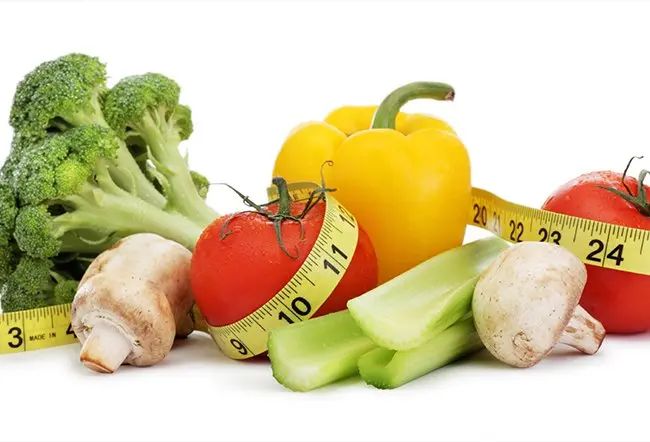
If you decide to follow a vegetarian diet to lose weight, it doesn’t have to be complicated. There are a few very simple rules that can make a big difference over time. The main idea is to organize your meals so they keep you full while avoiding extra calories without even noticing.
1. Fill Your Plate with Vegetables
Vegetables are some of the lowest-calorie foods you can eat, but the great thing about them is their volume. You can fill half your plate with vegetables without worrying much about calories. Simple options like:
- Zucchini
- Broccoli
- Lettuce
- Cucumber
- Carrots
- Bell peppers
These foods are light on the stomach and rich in fiber. Fiber helps you stay full for longer, which is why many people notice that when their meals include plenty of vegetables, they feel less hungry between meals.
2. Don’t Be Afraid of Plant Protein
A common idea is that vegetarians always struggle with protein deficiency. But that’s not really true if your diet is varied. There are many plant-based protein sources that are already part of everyday food, such as:
- Lentils
- Fava beans
- Chickpeas
- Beans
- Tofu
- Quinoa
Protein is very important when trying to lose weight because it helps reduce hunger and also helps maintain muscle mass. That way your body loses fat instead of muscle.
3. Choose the Right Carbohydrates
Not all carbohydrates are bad. The issue is usually the type. Refined carbs like white bread or regular pasta can raise blood sugar quickly, and then hunger returns sooner. Instead, try choosing slower-digesting carbs like:
- Oats
- Brown rice
- Whole-grain bread
- Sweet potatoes
These foods give your body steady energy and help you stay satisfied for longer.
4. Healthy Fats Are Important Too
Some people try to avoid fats completely when they start a diet. But the body actually needs healthy fats in reasonable amounts. Good sources of healthy fats include:
- Avocado
- Nuts
- Olive oil
- Chia seeds
These fats help with fullness and are also good for heart health and overall wellbeing. The key is simply the portion size, because fats are higher in calories. For example, a small handful of nuts is usually more than enough.
If these simple rules become part of your daily eating habits, you’ll likely find that losing weight with a vegetarian diet becomes much easier and without that constant feeling of hunger.
A One-Week Vegetarian Diet for Weight Loss
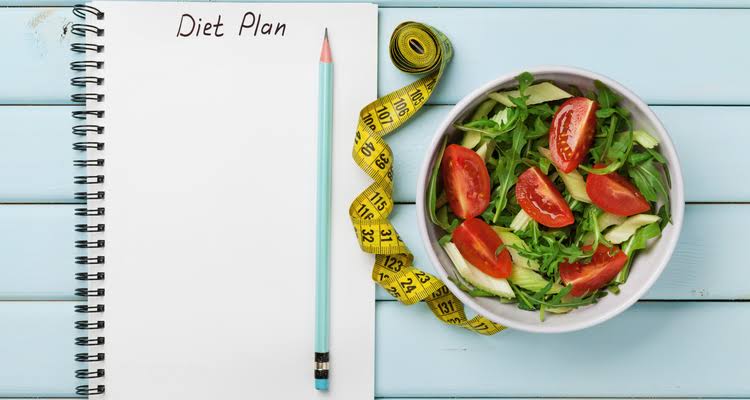
Many people ask: Okay, but how do we actually start? That’s why having a simple one-week plan can make things much easier. The goal here isn’t to follow every meal exactly, but to give you a clear idea of how to balance vegetables, plant protein, and healthy carbs during the week.
Day 1
Breakfast: Oatmeal with plant-based milk + banana slices + a little cinnamon.
Lunch: A big salad with lettuce, cucumber, and tomatoes + cooked lentils + a slice of whole-grain bread.
Dinner: Sautéed vegetables (zucchini, carrots, and broccoli) with brown rice.
Day 2
Breakfast: Whole-grain toast with avocado + fresh tomatoes.
Lunch: Hummus with tahini + vegetable salad + whole-wheat bread.
Dinner: Light lentil soup + green salad.
Day 3
Breakfast: Fruit smoothie (banana, strawberries, and almond milk) with a spoon of chia seeds.
Lunch: White beans cooked with tomatoes + brown rice + salad.
Dinner: Quinoa salad with mixed vegetables.
Day 4
Breakfast: Oatmeal with grated apple and a few nuts.
Lunch: Fava beans with olive oil and lemon + whole-grain bread + salad.
Dinner: Grilled vegetables with hummus.
Day 5
Breakfast: Plant-based yogurt with fruit and a few nuts.
Lunch: Yellow lentils with brown rice + salad.
Dinner: Large salad with grilled tofu.
Day 6
Breakfast: Whole-grain toast with peanut butter and banana slices.
Lunch: Red beans with vegetables + brown rice.
Dinner: Light vegetable soup.
Day 7
Breakfast: Oatmeal with dates and nuts.
Lunch: Quinoa with grilled vegetables + hummus.
Dinner: A big green salad with avocado.
Read also: Best Low Carb Foods for Weight Loss That Actually Help You Lose Fat
Is a Vegetarian Diet for Weight Loss Suitable for Everyone?
That’s a very normal question. Whenever people hear about a new diet, the first thing they wonder is whether it works for everyone or not. In reality, most people can follow it without any problem, especially if the meals are balanced and include the nutrients the body needs.
A vegetarian diet itself is often considered a healthy eating pattern because it mainly depends on vegetables, legumes, and whole grains. These foods are known for being light on the body while also rich in fiber and vitamins. That’s why many people notice that after starting it, their digestion feels better and their energy during the day improves a little.
However, it’s also fair to say that in some cases it’s better to talk to a doctor or a nutrition specialist before making a major change in your diet. For example, if someone already has a clear vitamin deficiency, or if a woman is pregnant and wants to be sure she’s getting all the nutrients her body needs. The same applies to people with certain health conditions that require a specific type of diet.
Other than that, most people can start gradually without making things complicated. You don’t have to switch to a vegetarian diet overnight. You can slowly reduce meat and increase vegetables and legumes in your meals. With time, it usually starts to feel completely normal.
Interestingly, many people notice something else after a while. The body begins to get used to simple, natural food, and you may find yourself not craving heavy or fried meals the way you used to. It’s almost like the body feels more comfortable with this type of eating.
Common Mistakes People Make with a Vegetarian Diet
Even though the idea of a vegetarian diet for weight loss seems simple, many people still make a few small mistakes that affect the results. Sometimes a person really follows a vegetarian diet, but the weight doesn’t go down… and in some cases it may even increase. Most of the time, the reason isn’t the vegetarian diet itself, but the way the meals are structured. Let’s talk about some of the most common mistakes.
Relying Only on Carbohydrates
This is one of the most common things that happens. When some people stop eating meat and chicken, they start depending heavily on foods like pasta, bread, and rice because they are easy and available.
At first it may seem fine, but after a while the calories can increase without the person even noticing. When carbohydrates are eaten in large amounts without balancing them with protein and vegetables, hunger usually comes back quickly.
That’s why it’s better if the plate isn’t filled only with starches. Adding vegetables and plant protein makes the meal much more satisfying.
Eating All Day Long
Some people feel that vegetarian food is lighter, so they think it’s okay to keep eating small things during the day. Slowly, it turns into eating almost all the time.
A handful of nuts here, a piece of fruit there, then another snack later… and it continues like that. The issue is that all those calories add up by the end of the day.
That’s why it’s better to have a clear meal structure: breakfast, lunch, and dinner, with maybe a light snack if needed. Constant grazing during the day often makes weight loss harder.
Not Getting Enough Protein
This is another very common mistake when someone first starts a vegetarian diet. If meals are low in protein, hunger tends to come back quickly. And when that happens, the person usually ends up eating more throughout the day.
Plant protein is important because it helps with fullness and also helps maintain muscle while losing weight. Including foods like lentils, chickpeas, or beans in daily meals can make a big difference.
In simple terms, a vegetarian diet can be very effective for weight loss but it needs balance. When meals include vegetables, plant protein, and healthy carbohydrates in reasonable portions, the results are usually much better.
Small Tips That Can Help You Lose Weight Faster
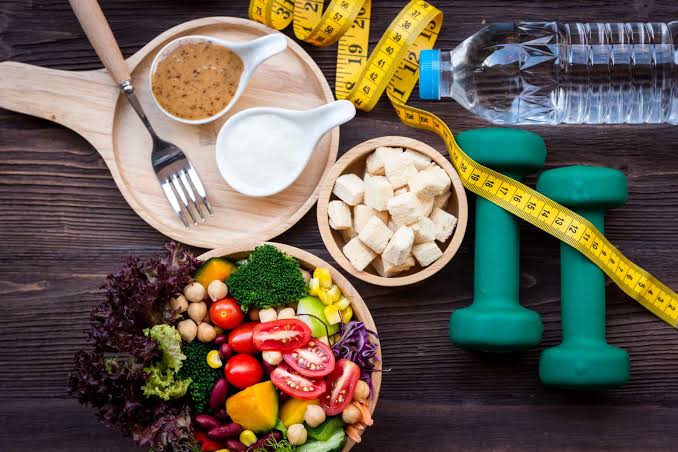
If you’ve started following a vegetarian diet for weight loss, there’s something important to keep in mind: food alone isn’t the whole story. There are a few very simple habits that can make a noticeable difference, even though they may seem small.
The good thing is that you don’t need huge lifestyle changes or a completely new routine. Sometimes small daily habits can make a big difference over time.
Drink Plenty of Water
Water is something many people underestimate. Sometimes the body sends signals that feel like hunger, but in reality it just needs water.
Try drinking a glass of water about ten minutes before meals. You may notice that you feel full faster. Staying hydrated throughout the day also helps support digestion and metabolism.
Try to Walk Every Day (Even for 30 Minutes)
You don’t have to go to the gym or start intense workouts. Walking alone can be more than enough in the beginning. Even a simple 30-minute walk each day can help your body burn more calories and keep your energy levels up. Many people start with regular walking and then slowly add more activities later on.
Get Enough Sleep
Sleep is something people often overlook, but it plays a big role in weight management. When sleep is poor or not enough, the body can increase hunger signals and make you crave food more often.
Good sleep helps regulate the hormones that control hunger and fullness. In simple terms, sleeping well can make it easier to control your eating without feeling like you’re forcing yourself.
Reduce Sugar as Much as You Can
You don’t have to completely cut sugar out of your life, but reducing it can make a big difference. Sugary drinks and desserts often add a lot of calories without really making you feel full. Try cutting back gradually. Over time, you may even notice that your cravings for sugar start to decrease on their own.
Conclusion
If you think about it for a moment, you’ll realize that a vegetarian diet isn’t just another weight-loss plan. In many ways, it’s simply a lighter and easier way of eating for the body. With a little balance and some simple organization in your meals, you may notice your weight starting to go down gradually without extreme restriction or feeling hungry all day. And honestly, that’s the most important part. Many people start a vegetarian diet for weight loss only because they want to lose weight. But after some time, they discover other benefits too. They often feel more energetic, their digestion improves, and even their relationship with food becomes calmer and more balanced.
Read also: Best Foods for Weight Loss: The Top Foods That Keep You Full and Boost Fat Burning
FAQ
Losing 5 kg in one week is usually not healthy. It’s better to lose weight gradually. A vegetarian diet can help reduce calories naturally because vegetables and legumes are rich in fiber, which helps you feel full while eating less.
Yes, you can. Plant-based foods are often lower in calories and can keep you full for longer, especially when your meals include vegetables, legumes, and whole grains.
It’s best to focus on foods like vegetables, lentils, chickpeas, beans, oats, and brown rice, while reducing sugar and highly processed foods. These foods help keep you full and support healthy weight loss.
Medical Disclaimer: Since nutritional needs vary from person to person based on health status, age, and medical history, we strongly recommend consulting your physician or a certified nutritionist before starting any new diet or changing your eating habits, especially if you have chronic conditions or are taking specific medications. Accordingly, the nutritional information provided in this article is for educational and informational purposes only and should not be considered medical advice or a formal diagnosis.