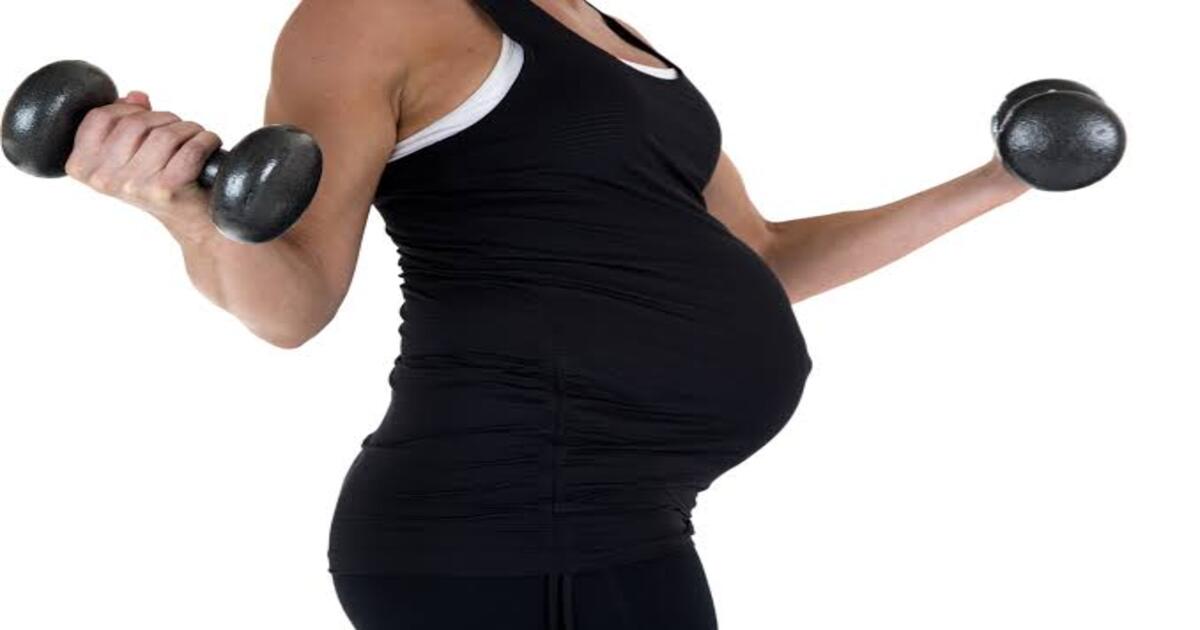
Organic Protein Powder for Pregnancy: Benefits, Safety, and How to Use It
Pregnancy is kind of a strange time. Your body changes quickly, your appetite sometimes opens up and other times disappears completely, and suddenly you find yourself thinking about things you never cared about before. One of the things that has started to become more common among pregnant women in recent years is organic protein powder for pregnancy. Maybe you’ve seen it at a pharmacy, someone at the gym recommended it, or you read about it in an article. The question that usually comes up right away is: Is it actually safe for pregnant women? And is it really helpful, or just another health trend?
Why Do Pregnant Women Need More Protein?
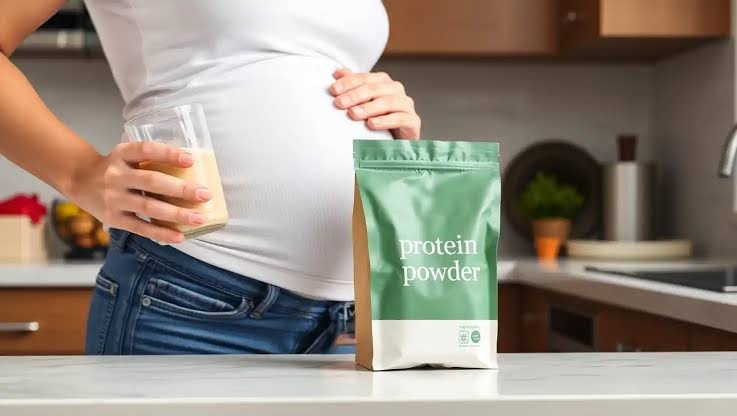
Let’s look at it in a simple way. During pregnancy, your body isn’t just feeding you anymore… there’s a tiny human growing inside you who needs nutrients to develop properly. One of the most important of those nutrients is protein, because it’s involved in building almost everything: muscles, cells, tissues, and even the placenta.
That’s why most doctors recommend that pregnant women increase their daily protein intake. On average, the body needs around 70 to 100 grams of protein per day, although this can vary a bit depending on the mother’s weight and activity level.
But let’s be realistic it’s not always easy to eat that amount every single day. Some days there’s nausea, other days there’s no appetite at all, and sometimes even the smell of food can be annoying. And on some days you simply don’t feel like eating heavy meals like meat or chicken.
Because of this, some pregnant women start looking for an easier option, such as organic protein powder for pregnancy. The idea is simple: it’s quick to prepare, you can mix it with milk or add it to a smoothie, and within minutes you have a drink that contains a good amount of protein to help you get closer to your daily needs.
Read also: Best Powder to Mix with Milk for Pregnant Mothers: Safe & Nutritious Choices for a Healthy Pregnancy
What Is Organic Protein Powder?
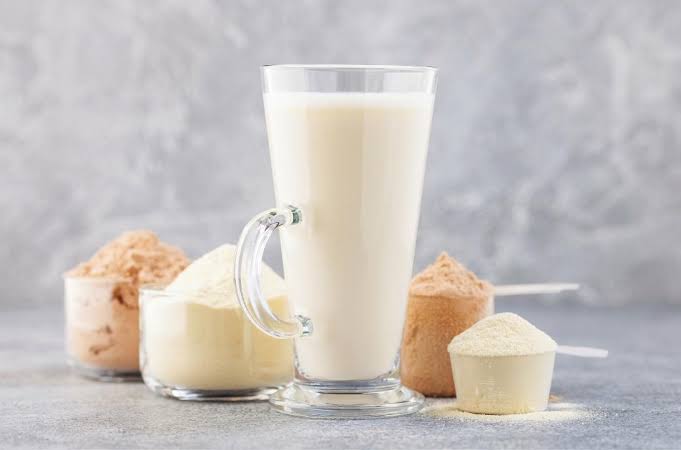
Simply put, organic protein powder for pregnancy is a protein supplement made from natural, organic sources. That usually means it’s produced without pesticides or harsh chemicals that might be used in conventional farming or manufacturing. The main idea is that the product is a bit cleaner in terms of ingredients, which is why some pregnant women prefer the organic option.
The protein in these powders usually comes from plant sources or natural dairy. Some common types you’ll usually come across include:
- Pea protein
- Brown rice protein
- Hemp protein
- Organic whey protein
Each type has its own benefits and a slightly different taste. Some people prefer plant-based protein because it can be easier on the stomach, especially during pregnancy when digestion can sometimes be more sensitive.
Some brands also try to make the product more helpful nutritionally by adding extra nutrients that are important during pregnancy
such as:
- Iron
- Calcium
- Folic acid
- Vitamin B12
These additions can help support daily nutrition, especially if appetite isn’t very stable or if food intake is a bit low. But there’s an important point to keep in mind: not every protein powder is suitable during pregnancy. Some products on the market may contain artificial sweeteners, too many additives, or ingredients that aren’t ideal for pregnant women. That’s why it’s always a good idea to read the ingredient list carefully before choosing a product, and try to go for something with simple and clear ingredients whenever possible.
Benefits of Using Organic Protein Powder During Pregnancy

Let’s be honest for a moment. Protein powder isn’t something every pregnant woman must take. In many cases, regular food is more than enough. But in some situations, it can be a practical option and actually helpful especially when appetite is low or eating feels difficult.
1. An Easy Way to Make Up for Low Protein Intake
Some pregnant women find it hard to eat foods like meat or eggs regularly, especially during the first months because of nausea. In that case, a simple protein drink can be a quick solution.
For example, a cup of milk with a scoop of protein powder can give you around 20 grams of protein, which is actually a good amount.
Another advantage is that it’s quick and easy no cooking and no preparation needed.
2. Supporting the Baby’s Growth
Protein is essential for the baby’s development. It helps build cells, supports brain development, and plays a role in forming muscles and body tissues.
That’s why doctors usually stress the importance of getting enough protein during pregnancy, since the body is constantly building new tissues during this stage.
3. Helping With Fatigue and Sudden Hunger
Many pregnant women notice they get hungry quickly or feel sudden drops in energy during the day. Adding protein to a simple snack can help with that.
The reason is that protein helps keep blood sugar levels more stable, which means energy lasts longer instead of rising quickly and then crashing.
4. A Practical Option on Difficult Days
Almost every pregnant woman goes through difficult days days with no appetite or when the stomach just can’t handle food. At those times, a simple drink can be much easier than eating a full meal.
For example, you could mix:
- One cup of milk
- One banana
- One scoop of organic protein powder for pregnancy
In just a few minutes, you’ll have a simple and nutritious drink that’s gentle on the stomach and still gives the body some important nutrients without forcing yourself to eat a heavy meal.
Is Organic Protein Powder Safe During Pregnancy?
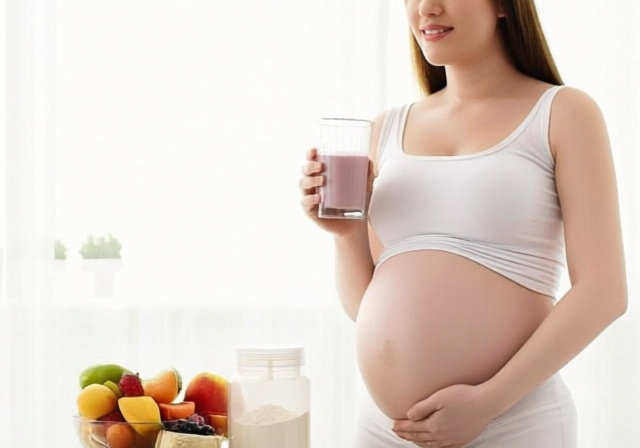
This is usually the first question that comes to mind for any pregnant woman thinking about using organic protein powder for pregnancy. The short answer is: yes, it can be safe but under certain conditions.
The idea is that not every protein powder on the market is suitable during pregnancy. Some products contain many additives or ingredients that may not be the best choice during this stage. For example, some types may include:
- Artificial sweeteners
- High amounts of caffeine
- Herbs or herbal extracts that are not recommended during pregnancy
- And sometimes traces of heavy metals in low-quality products
That’s why choosing the right product is very important. It’s not just about picking any protein powder. Ideally, you should choose one with simple and clear ingredients, without too many additives or unfamiliar components.
If you’d like to learn in more detail how to choose a safe product, you can read this article: How to Choose a Pregnancy Safe Protein Powder Without Risks The article explains the topic step by step and highlights the key things you should pay attention to before buying a protein powder during pregnancy, so you can avoid unnecessary risks.
How to Choose the Best Organic Protein Powder for Pregnancy
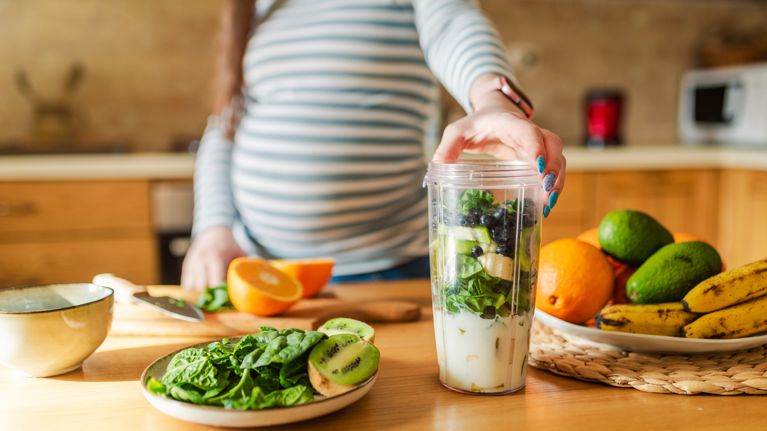
If you decide to use organic protein powder for pregnancy, the most important step is choosing the right product. The market is full of different options. Some of them are really good… while others are packed with unnecessary additives. That’s why a few simple points can help you choose more wisely.
Protein Source
The first thing to check is the source of the protein itself. It’s better when the source is clear and easy to understand, not a strange mix of too many ingredients.
Some good examples include:
- Pea Protein
- Brown Rice Protein
- Organic Whey
When the protein source is simple and clear, the product is usually easier for the body to handle.
Number of Ingredients
There’s a simple rule many people follow. If the ingredient list is very long and full of names that are hard to understand the product might not be the best choice.
Good products usually have short and clear ingredient lists. For example, protein plus a natural flavor, without too many extra additives.
Free From Harmful Additives
During pregnancy, it’s better to avoid products with strong artificial additives. Try to stay away from protein powders that contain:
- Artificial sweeteners
- Artificial colors
- Strong preservatives
The more natural the product is, the better.
Quality Testing
This is something many people overlook, but it’s actually very important. Try to choose products that have gone through independent quality testing, such as:
- NSF
- USP
- Third-party testing
These tests help reduce the chances of contamination or heavy metals in the product, which is especially important during pregnancy.
Read also: Best Protein Bars for Pregnancy: Smart, Safe Choices to Support You and Your Baby
Simple Ways to Use Protein Powder During Pregnancy
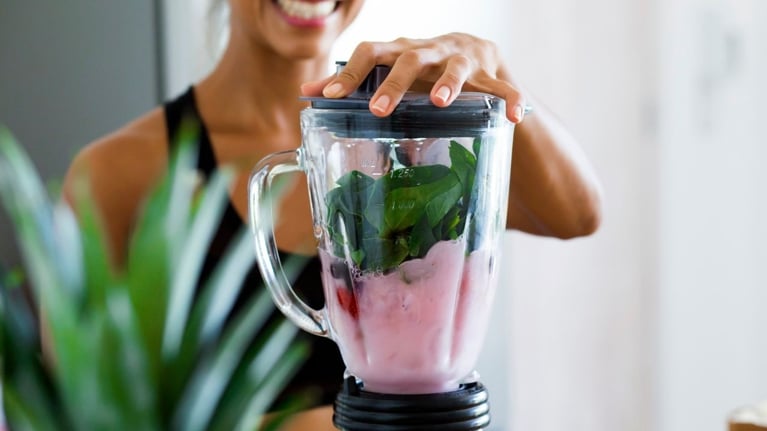
The easiest way to use organic protein powder for pregnancy is to add it to a drink. It’s very simple and doesn’t require much effort, which makes it perfect for days when your appetite is low.
But you don’t have to use it the same way every time. There are a few easy ideas that can make it more enjoyable instead of just drinking the usual protein shake.
Morning Smoothie
This is actually one of the easiest options, and many pregnant women like it because it’s gentle on the stomach while still being nutritious. You can mix:
- One cup of milk
- One banana
- One spoon of peanut butter
- One scoop of protein powder
Blend everything for about a minute, and you’ll have a creamy smoothie with a nice taste. This drink gives you a good amount of protein and energy, and it can be a comfortable way to start the day especially if you don’t feel like eating a big breakfast.
Add It to Oatmeal
If you enjoy oatmeal for breakfast, you can simply add a small scoop of organic protein powder for pregnancy after the oats are cooked. Stir it well and you’ll notice the texture becomes a bit creamier, and the flavor can be quite nice too.
This small step turns a simple bowl of oats into a more filling and nutritious meal. It’s like upgrading a regular breakfast into something that gives you extra protein and longer-lasting energy.
Protein Pancakes
Another easy idea is adding protein powder to pancake or waffle batter. Some pregnant women do this already, especially if they enjoy sweet breakfasts.
All you need to do is mix a small scoop of protein powder into the pancake batter before cooking. The result is pancakes that still taste good but contain more protein.
The whole idea is simple: take a regular meal you already like and make it a little more nutritious without putting in much extra effort.
When Does a Pregnant Woman Not Need Protein Powder?
This is an important question too, because the truth is that organic protein powder for pregnancy doesn’t have to be part of every pregnant woman’s routine.
If your diet is already balanced and includes good protein sources throughout the day, you probably don’t need any extra supplements. For example, if your meals regularly include foods like:
- Meat
- Chicken
- Eggs
- Legumes
- Yogurt or other dairy products
then your body is most likely already getting a good amount of protein from natural foods.
It’s also important to remember something: supplements are not a replacement for real food. Natural foods provide a wide range of nutrients that you can’t always get from a protein powder alone.
That’s why protein powder is usually better seen as a supportive option, not a necessity. It can be helpful on days when appetite is low or when it’s difficult to reach your daily protein needs through regular meals. But if your diet is balanced and varied, your body may not need it at all.
Daily Protein Needs During Pregnancy
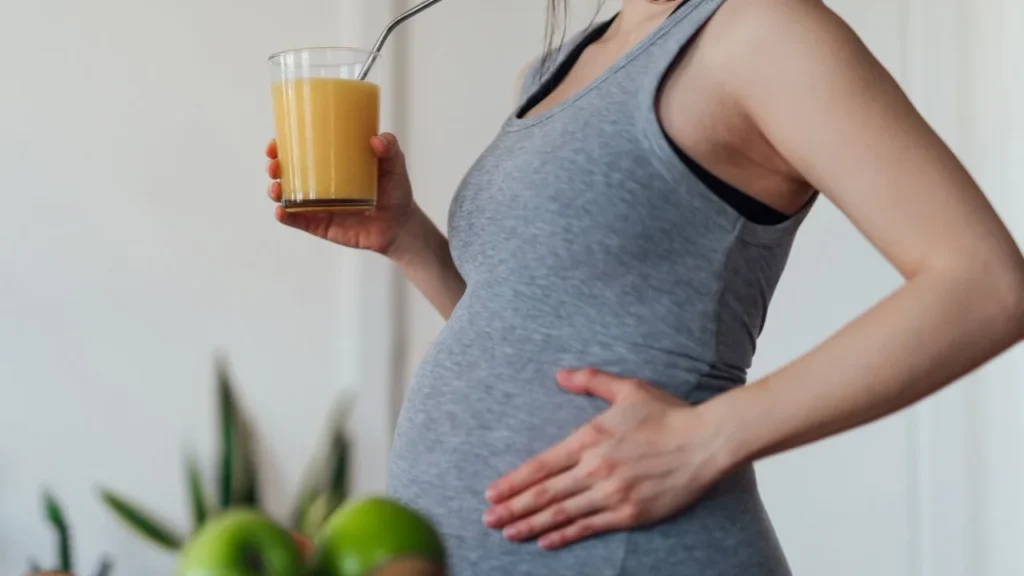
The amount of protein a pregnant woman needs isn’t exactly the same for everyone. It can vary depending on the mother’s weight, activity level, and even the stage of pregnancy. But on average, most doctors say that pregnant women need around 70 to 100 grams of protein per day to support their bodies and the healthy growth of the baby.
Of course, this amount doesn’t have to come from supplements. The main source should always be natural foods like meat, eggs, legumes, and dairy products.
But if you decide to use organic protein powder for pregnancy, usually one serving per day is enough. A typical serving provides around 20 grams of protein, which can help you get closer to your daily needs.
The idea is that protein powder should only be a small support for your diet, not the main source of protein. And it’s always better to talk to your doctor before adding any new supplement during pregnancy, especially if you have a health condition or are already taking other supplements.
Conclusion
Pregnancy is a journey full of small details. Sometimes things may feel complicated, but in reality most of it is quite simple. Choose healthy food, listen to your body, and try not to put too much pressure on yourself. And if you decide to try organic protein powder for pregnancy, just make sure you pick a clean and safe product. The rest will usually fall into place naturally.
Read also: Pregnancy Safe Collagen Powder: Is It Safe and What Should You Know Before Taking It?
FAQ
It’s best to choose a protein powder with simple ingredients and no artificial additives. Plant-based options like pea protein, brown rice protein, or organic whey protein can be suitable if the product is clean and has been quality tested.
Yes, organic protein powder for pregnancy can be used in moderate amounts, especially if it’s difficult to get enough protein from food. However, it’s always better to talk with your doctor before adding any supplement during pregnancy.
The best source of protein during pregnancy is still natural food like eggs, chicken, legumes, and dairy products. Protein powder can be used as a supplement if needed, but it shouldn’t replace real food.
Medical Disclaimer: Since nutritional needs vary from person to person based on health status, age, and medical history, we strongly recommend consulting your physician or a certified nutritionist before starting any new diet or changing your eating habits, especially if you have chronic conditions or are taking specific medications. Accordingly, the nutritional information provided in this article is for educational and informational purposes only and should not be considered medical advice or a formal diagnosis.