Best Low Carb Foods for Weight Loss That Actually Help You Lose Fat
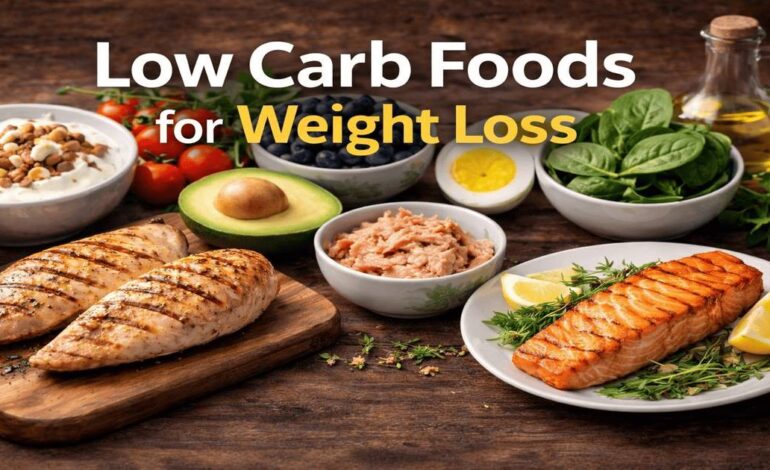
Not every low-carb diet really helps you lose fat. There’s a big difference between the scale dropping a couple of numbers because your body lost water, and actually losing fat and changing the way your body looks. I tried following a low-carb plan for a while, and at first I thought it was simple: “just cut out bread and rice and that’s it.” But after two weeks, I felt kind of lost. I was eating less, but I was still hungry, and my mood wasn’t great either. That’s when I started to realize that choosing the right low carb foods for weight loss is what really makes the difference not just cutting carbs for the sake of it. So let’s talk about the kind of foods that actually help you lose fat, not just lose weight.
First: What Does “Low Carb” Even Mean?
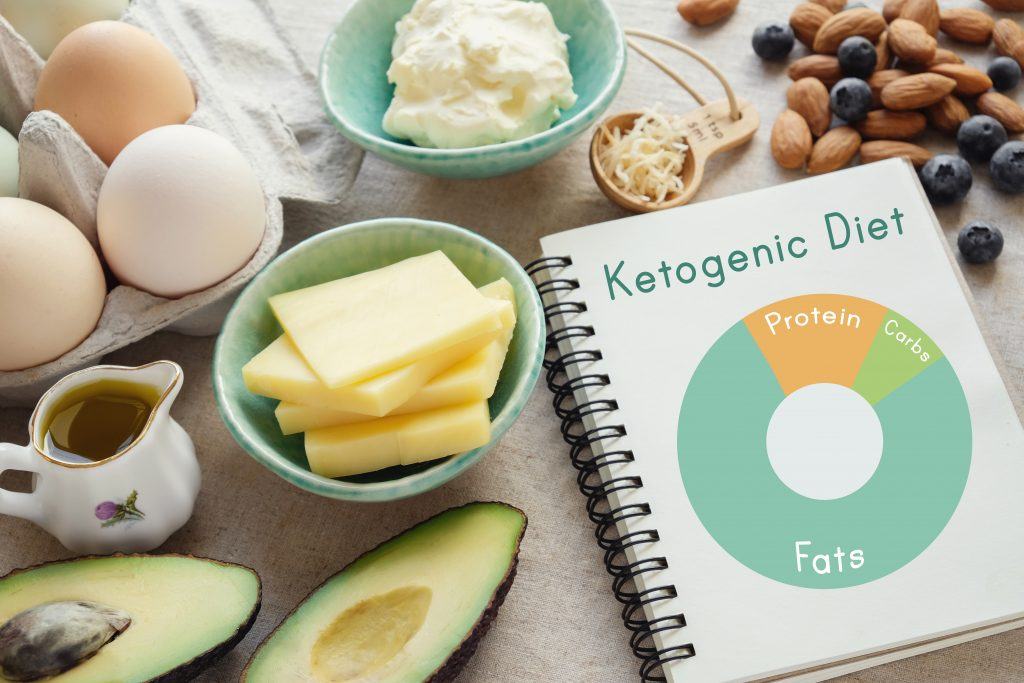
Let me tell you something that might make you feel a bit better. Low carb doesn’t mean you have to live in fear of a single date or half an apple. It’s much simpler than that.
A low-carb diet is usually:
- Less than 100 grams of carbs per day (this is moderate and works well for many people)
- Less than 50 grams (that’s considered very low)
- Around 20–30 grams (that’s strict keto)
But let’s be realistic you don’t have to go to extremes to lose fat. A lot of people successfully lose fat eating around 70–100 grams of carbs a day. It’s more comfortable and actually sustainable, without feeling like your whole life turned into a list of forbidden foods.
What happens when you reduce carbs is that your insulin levels calm down. And when insulin is lower, your body can use stored fat for energy more easily instead of constantly depending on sugar. That’s really the goal behind choosing low carb foods for weight loss.
So what does cutting carbs actually mean in real life?
It doesn’t mean throwing away everything in your kitchen that contains carbs. It just means reducing the fast-digesting sources that spike your blood sugar quickly, like:
- White bread
- Pasta
- White rice
- Sweets
- Juice
- Sweetened drinks
- Processed biscuits and snacks
And honestly, these are the foods that keep your appetite wide open all day. You eat them and an hour later you’re hungry again. It turns into a never-ending cycle.
Instead, you focus more on:
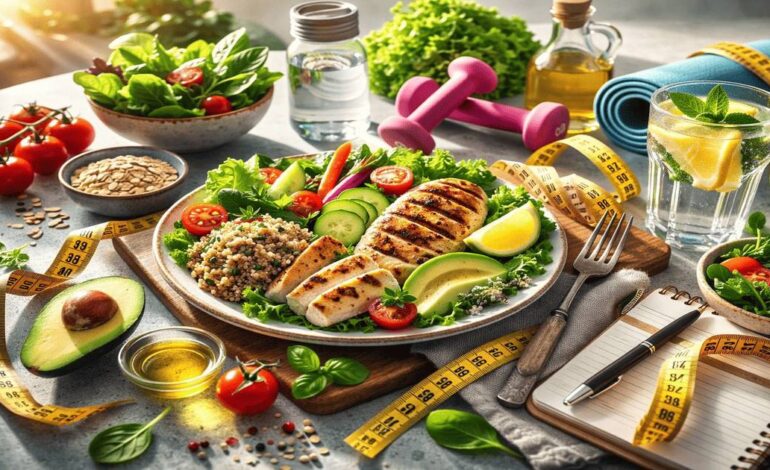
- Protein (eggs, chicken, meat, fish)
- Healthy fats (olive oil, avocado, nuts in moderation)
- Plenty of vegetables
When you eat this way, you feel a clear difference in fullness. You’re not constantly thinking, “What am I going to eat next?” And let me say something important not all carbs are “bad.” There’s a difference between a big plate of white rice and half a cup of sweet potato or some fruit. Quality matters. Quantity matters even more.
When I personally reduced carbs, the first week I felt stressed. A bit deprived. But after a few days, I noticed my hunger actually decreased. My energy felt steadier no big sugar highs and crashes. That feeling alone makes it much easier to stick with it.
In the end, it’s not about fighting carbs. It’s about rebalancing your plate. Make protein and vegetables the base, and let carbs play a supporting role not the main character in every meal. That’s the real difference between a temporary diet and a way of eating you can actually live with.
Read also: Free Weight Loss Plan Without Harsh Diets
Eggs: Simple but Very Effective
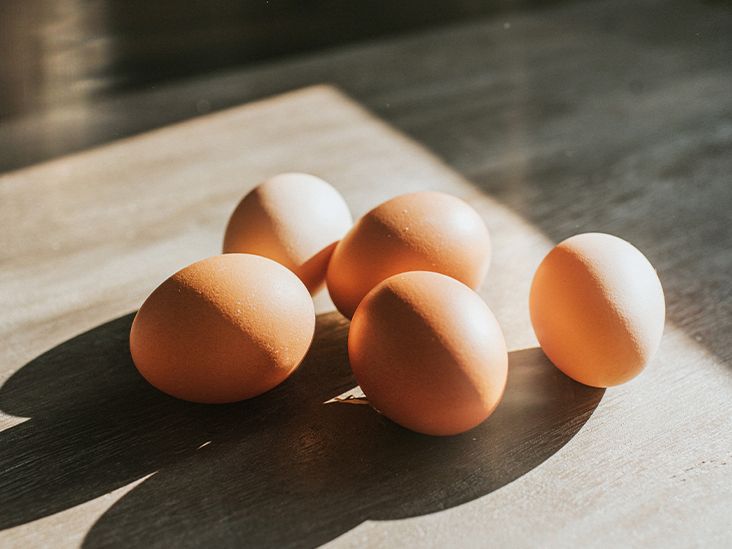
Some foods feel so “normal” that you almost underestimate them. Eggs are one of those foods. Simple, affordable, easy to find but in a low-carb diet, they’re actually very powerful.
One large egg has around:
- 70–75 calories
- 6 grams of protein
- About 5 grams of fat
- Less than 1 gram of carbs
So 2 eggs for breakfast = roughly 140–150 calories, with about 12 grams of protein. That’s not a small number when we’re talking about fullness. And the secret isn’t just the calories it’s the composition of the egg itself.
The protein in eggs is high quality, which means your body uses more energy to digest it. That slightly boosts your metabolism (even if it’s a small increase, it adds up over time). The natural fats in the yolk also help you feel satisfied and keep your blood sugar more stable.
I remember when I used to have toast with jam for breakfast. An hour or an hour and a half later, I’d already be looking for something else to eat. When I switched to 2 eggs plus a plate of veggies (cucumber, tomatoes, arugula), I could easily go 4 or even 5 hours without real hunger. The difference was very noticeable.
Eggs are also one of the most important low carb foods for weight loss because they’re basically carb-free. They don’t spike insulin much, which gives your body a better chance to use stored fat for energy instead of constantly running on sugar.
If you want to increase the nutritional value without adding many calories, you could make a veggie omelet:
- 2 eggs (about 150 calories)
- Spinach, peppers, or mushrooms (maybe 20–40 calories max)
So the whole meal would be around 180–200 calories, with much higher satiety compared to a breakfast with bread or pastries.
But let me say something important:
Don’t be afraid of the yolk. Some people remove it because of the fat, but the yolk contains important vitamins like A, D, and B12, plus choline, which is great for the brain. If your health is fine and your doctor hasn’t flagged any cholesterol issues, whole eggs are better than just egg whites.
Of course, how you cook them matters. Boiled eggs or an omelet with one small spoon of oil is very different from frying eggs in half a cup of oil. One small tablespoon (5 ml) of oil is around 45 calories so watch the extras.
In weight loss plans, eggs are often a staple because they’re:
- Easy to prepare
- Quick
- Easy to track in calories
- Filling
- Flexible (breakfast, light lunch, or even dinner)
Sometimes the simplest foods are the ones that make dieting feel manageable without overcomplicating things or feeling deprived.
Chicken and Red Meat
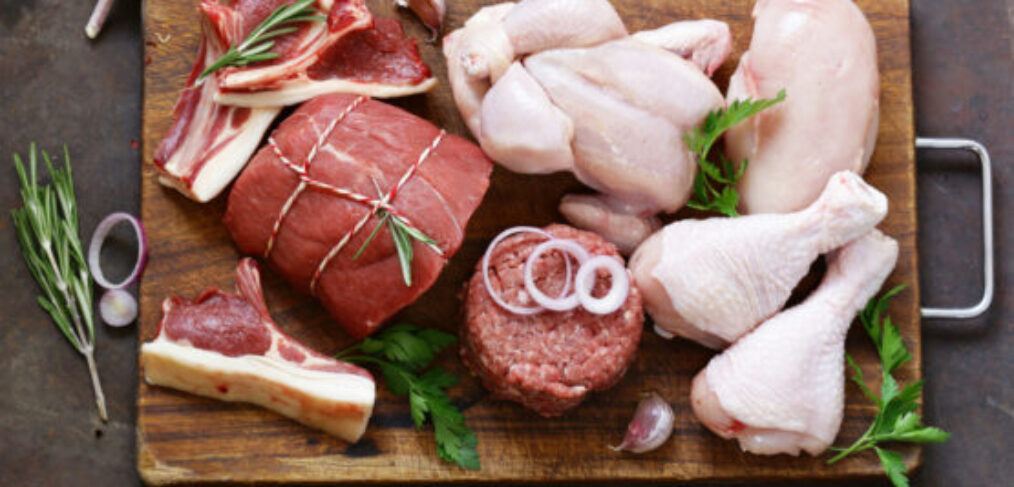
Let’s agree on something: protein is the backbone of any successful plan, especially if your goal is fat loss not just a lower number on the scale.
Grilled chicken breast, grilled steak, kofta without bread these are all strong options within low carb foods for weight loss. But the real secret is always the portion size and how you cook them.
Chicken Breast
100 grams of grilled chicken breast has roughly:
- 160–165 calories
- 30–31 grams of protein
- 3–4 grams of fat
- Zero carbs
That’s a really solid number. High protein with relatively low calories.
If you eat 150 grams, that’s about 250 calories and close to 45 grams of protein. That alone can keep you full for hours, especially if you pair it with a big salad.
Red Meat
100 grams of lean red meat contains around:
- 200–250 calories
- 25–26 grams of protein
- 15–20 grams of fat
- Zero carbs
Red meat isn’t the “enemy” of dieting like some people think. It’s actually rich in iron and zinc, which are important for energy. But the fat content is higher than chicken, so calories add up faster.
I remember thinking that as long as I wasn’t eating carbs, I could eat as much meat as I wanted. The result? My weight stalled for two full weeks. Why? Because my calories were simply too high without bread or rice.
Why Protein Really Matters for Fat Loss
Protein doesn’t just “fill you up.” It goes deeper than that:
- It helps preserve muscle mass while you’re in a calorie deficit
- It increases fullness by affecting hunger hormones
- It requires more energy to digest (so your body burns more calories processing it)
When you maintain muscle, your metabolism stays more stable. But if you lose muscle, your metabolic rate drops and fat loss becomes harder. That’s why including strong protein sources like chicken and red meat in low carb foods for weight loss helps you lose fat, not muscle.
How Much Do You Actually Need?
Most women need about 1.5–2 grams of protein per kilogram of body weight per day during fat loss.
So if you weigh 70 kg, you’d aim for around 100–130 grams of protein daily. That can easily come from something like:
- 150 grams chicken (45g protein)
- 2 eggs (12g)
- 100 grams meat (25g)
- Greek yogurt (10g)
Without feeling like you’re overeating.
A Very Important Point
This doesn’t mean eating a kilo of meat per day. Every 100 grams of fatty meat can reach 250 calories. If you eat 400 grams in one meal, that’s 800–1000 calories in just one sitting. At that point, even without carbs, your calorie deficit is gone and fat loss won’t happen.
Cooking method matters a lot too. One tablespoon of oil is about 120 calories. Sometimes the oil we cook with ends up having more calories than the meat itself.
Read also: Best Foods for Weight Loss: The Top Foods That Keep You Full and Boost Fat Burning
Fish: Especially Salmon and Tuna
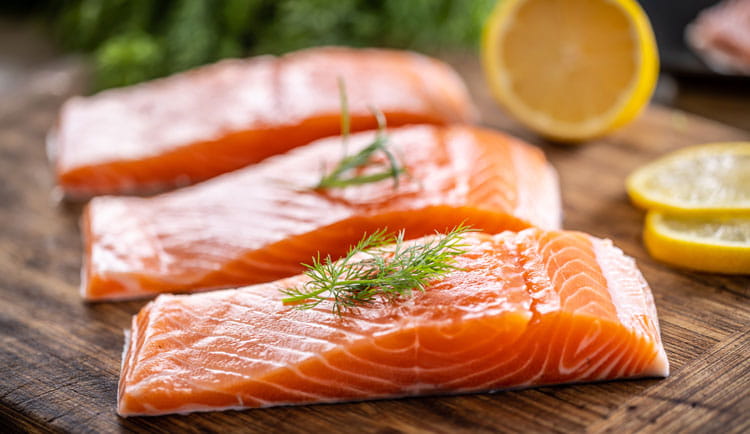
If I had to choose one food to include in any low-carb plan without thinking twice, it would be fish. Not just because it’s basically carb-free, but because its effect on the body goes way beyond “low calories.”
Salmon Is Honestly a Treasure
100 grams of grilled salmon has around:
- 200–220 calories
- 22–25 grams of protein
- 12–14 grams of healthy fats (mostly omega-3)
- Zero carbs
What makes salmon special isn’t just the protein it’s the type of fat it contains. Omega-3 helps reduce inflammation in the body, which is important because chronic inflammation can sometimes slow down fat loss. It also improves insulin sensitivity, meaning your body handles sugar better.
And here’s something many people don’t notice: healthy fats increase satiety. A meal with 120–150 grams of salmon and vegetables might be around 350–400 calories, but it’s much more filling compared to a carb-heavy meal with the same calories.
Personally, when I add fish two or three times a week, I feel like my appetite is calmer. I don’t get strong cravings for sweets afterward, and that really helps with consistency.
Tuna: The Smart, Quick Option
100 grams of tuna in water (drained) contains roughly:
- 110–120 calories
- 24–26 grams of protein
- Less than 1 gram of fat
- Zero carbs
That’s a great number if your goal is to stay in a calorie deficit. Tuna is one of the easiest low carb foods for weight loss because there’s barely any prep needed. Open the can, put it on a salad, squeeze some lemon, add a small teaspoon of olive oil (about 45 calories), and you’re done.
Just be careful: tuna in oil adds calories quickly. One small can can reach 250–300 calories depending on the type of oil.
Why Fish Is So Powerful for Fat Loss
- High protein to preserve muscle
- Healthy fats that improve fullness
- Almost zero carbs
- Reasonable calories for the nutritional value
Fish is also generally easier to digest than red meat, which makes many people feel lighter and more comfortable.
How Often Should You Eat Fish?
Two to three times per week is a great choice. You could do:
- One day salmon
- One day tuna
- One day grilled fish like sea bream or mullet
Just one small but important point:
If you eat fish with a big plate of white rice or lots of bread then we’ve stepped away from the idea of low carb foods for weight loss.
Pair it with vegetables instead. Or, if you’re not doing strict keto, you can add a moderate portion of roasted potatoes just keep it controlled.
Leafy Greens: The Safety Net of the Whole Plan
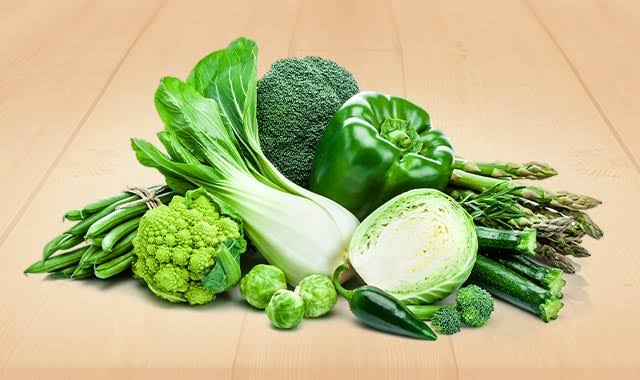
If protein is the backbone, then leafy greens are the safety net. Spinach, lettuce, arugula, broccoli these aren’t just something “on the side.” They’re what make a low carb foods for weight loss plan run smoothly without side effects.
Let’s look at some simple numbers so the picture is clearer:
100 grams of spinach:
- Around 23 calories
- 3–4 grams of carbs
- About 2 grams of fiber
100 grams of lettuce:
- Around 15 calories
- 2–3 grams of carbs
- High in water and fiber
100 grams of broccoli:
- About 35 calories
- 6–7 grams of carbs
- 2–3 grams of fiber
So you can literally make a huge salad bowl that fills your plate and still doesn’t reach 100 calories. That feeling of physical and psychological fullness really matters during dieting.
Why Vegetables Actually Matter (Not Just in Theory)
Fiber:
- Regulates digestion
- Improves bowel movement
- Slows down sugar absorption
- Increases the feeling of fullness
I once decided to focus mostly on protein and reduced vegetables a lot. After one week? Constipation, bloating, and this weird fatigue. That’s when I realized vegetables aren’t a luxury or just “healthy decoration.” They’re a core part of the equation.
Especially in a low-carb plan, since you’re cutting down on starchy foods that normally provide fiber. If you don’t replace that fiber with enough vegetables, your body will feel it.
Vegetables Help You Stick to the Plan
In low carb foods for weight loss plans, one issue can be that meals feel small in volume. A piece of chicken alone might not feel satisfying mentally.
But when you add a big plate of arugula, cucumber, tomatoes, and broccoli, suddenly the plate looks full and your brain feels more satisfied.
Another thing many people don’t realize: leafy greens are rich in magnesium and potassium. That’s important because when you reduce carbs, your body loses fluids and minerals. Vegetables naturally help replace part of that. How to Add Them Without Getting Bored
- Spinach omelet for breakfast
- A big salad next to lunch
- Sautéed broccoli or zucchini with dinner
- Lettuce wraps instead of bread sometimes
They don’t have to be boiled and boring. A small teaspoon of olive oil (about 45 calories), some lemon, and a little salt can completely change the flavor.
Avocado: Healthy Fats, Not the Enemy
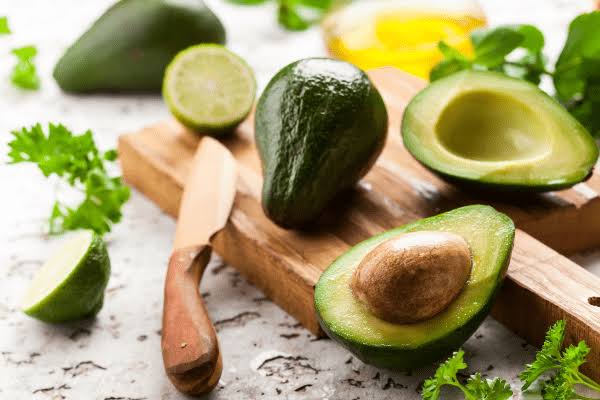
Let me admit something. The first time I heard that avocado is “great for dieting,” I was confused. How can something full of fat help you lose fat? It sounded a bit contradictory.
There are processed and trans fats that are harmful, and there are natural fats that are actually good for your body. Avocado falls into the second category.
Here’s the approximate nutrition for one medium avocado (around 150g):
- 240–260 calories
- 20–22 grams of fat (mostly heart-healthy monounsaturated fats)
- Around 12 grams of carbs
- About 9–10 grams of fiber
- 3 grams of protein
Notice that most of the carbs come from fiber, which means its impact on blood sugar is very low. That’s important in any low carb foods for weight loss plan, because stable blood sugar helps prevent those sudden hunger waves that make you open the fridge at 11 p.m.
Why Does Avocado Help With Fat Loss Though It’s High in Calories?
The secret is satiety. Healthy fats + fiber = long-lasting fullness.
Half an avocado (about 120–130 calories) with eggs or salad can keep you satisfied for hours without needing a snack.
I personally noticed something: when I include a moderate amount of healthy fats in my meals, my hunger feels calmer. But when I cut fats too much, I find myself constantly looking for something to eat. The body needs fat. The key is the type and the portion.
Why Do We Say “One Is Enough”?
Because calories add up quickly. If you eat:
- One avocado (around 250 calories)
- A handful of nuts (about 170 calories)
- Two tablespoons of olive oil (around 240 calories)
That’s over 600 calories just from fats without really noticing. At that point, even if everything technically fits into low carb foods for weight loss, your calorie deficit might disappear and your weight could stall.
How to Use It Smartly
- Half an avocado with eggs for breakfast
- Small cubes on a salad instead of pouring a lot of oil
- Mashed with lemon as a healthier alternative to mayonnaise
The idea isn’t to avoid it. The idea is to account for it. Avocado is a clear example that fat isn’t the enemy. The real enemy is overeating when the food is healthy.
Nuts
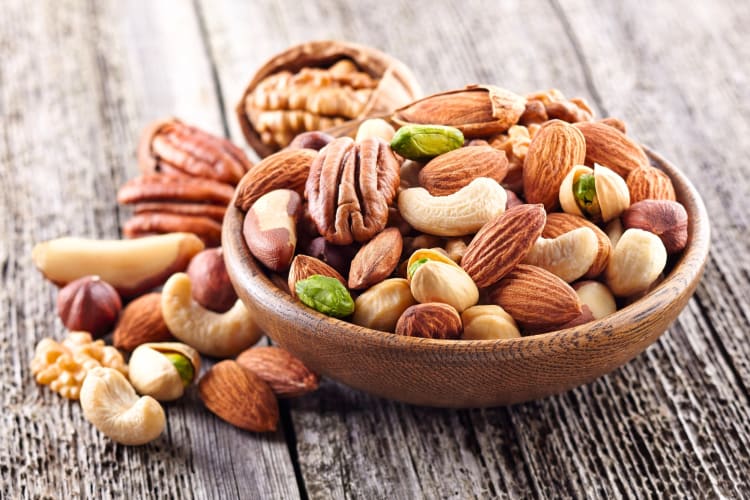
Nuts look very innocent. A small handful in your hand, they taste good, and you feel like you’re eating something “healthy.” But the truth? They’re a double-edged sword in any low carb foods for weight loss plan.
Almonds, walnuts, cashews, hazelnuts they’re all relatively low in carbs and rich in healthy fats and some protein. That makes them a very convenient snack if you get hungry between meals. Let’s look at the numbers so it’s clearer:
30 grams of almonds (a small handful):
- 160–180 calories
- 6 grams of protein
- 14 grams of fat
- 5–6 grams of carbs (some of that is fiber)
30 grams of walnuts:
- Around 180–200 calories
- 18–20 grams of fat
- 4 grams of protein
30 grams of cashews:
- 160–170 calories
- 5 grams of protein
- 13 grams of fat
- Slightly higher in carbs than almonds
See the pattern? One small handful = about 170 calories. If you eat three handfuls while watching a series? That’s close to 500 calories without even noticing.
Someone says, “I’m eating low carb foods and I don’t understand why my weight isn’t moving.” Then you realize half their calories are coming from “light snacks” like nuts.
So Why Keep Them at All?
Because they are:
- Filling
- Full of heart-healthy fats
- Rich in magnesium and potassium
- Very practical when you’re out of the house
A moderate amount of healthy fats can also help stabilize blood sugar and reduce sudden cravings for sweets.
How to Eat Them Smartly
- Stick to 20–30 grams per day (one small handful)
- Don’t eat straight from the bag
- Weigh them or put them in a small bowl
Choose raw or dry-roasted without added salt or flavors Again, the issue isn’t that nuts are bad. They’re actually great. The key is portion control because with nuts, calories add up fast.
Full-Fat Greek Yogurt
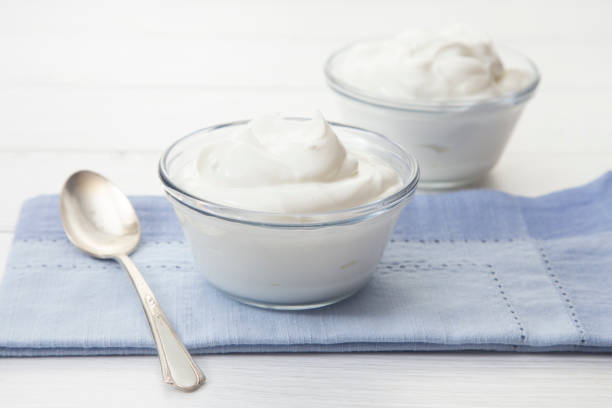
Greek yogurt is what I like to call a “lifesaver in tight moments.” Hungry and don’t want to mess up your plan? Open a cup of Greek yogurt and you’re good.
But it’s really important to choose one with no added sugar. A lot of products in the market look healthy, but they’re loaded with sugar, which takes them far away from the idea of low carb foods for weight loss.
Let’s look at the numbers so you know what you’re getting:
100 grams of full-fat Greek yogurt:
- 90–120 calories (depending on the brand)
- 8–10 grams of protein
- 3–4 grams of carbs
- 5–7 grams of fat
If you eat a 170–200 gram cup, you’re getting around 180–220 calories and possibly 15–18 grams of protein. That’s a really solid, filling snack.
Why Is Greek Yogurt Better Than Regular Yogurt for Dieting?
Because it’s:
- Higher in protein
- Lower in carbs
- Thicker and more filling
Regular yogurt can have 10–15 grams of carbs per 100 grams, especially if it’s sweetened. Greek yogurt is strained, which removes a lot of the whey. That’s why the protein goes up and the carbs go down.
How to Eat It Without Pushing Calories Too High
- A sprinkle of cinnamon (basically zero calories)
- A small portion of berries (measured, not random)
- About 10 chopped almonds (adds around 70–80 calories)
Just be careful. If you add honey + a lot of nuts + a lot of fruit, that 200-calorie snack can easily turn into 400 without you noticing.
One Important Point
Full-fat doesn’t mean “bad.” The natural fats help increase fullness and keep blood sugar more stable compared to sweetened low-fat versions.
Personally, when I eat full-fat Greek yogurt, it feels like a real mini-meal, not something light that disappears in an hour. And I don’t feel the need to look for something sweet afterward.
If you’re looking for a quick, practical, filling snack that fits into low carb foods for weight loss, Greek yogurt is a very smart choice. Like everything in dieting, though portion size is what decides the result.
How Does a Low-Carb Approach Actually Help You Lose Fat?
Let’s talk about this calmly, without exaggeration. It’s not magic, and it’s not a trick. There’s a clear physiological explanation behind it.
When you eat carbohydrates (especially refined ones and sugar), your blood sugar rises. Insulin’s job is to move sugar into your cells so it can be used for energy. So far, everything is completely normal.
The issue starts when insulin stays high most of the time. When it’s elevated constantly, your body shifts more into “storage mode” instead of “burning mode.”
What Happens When You Reduce Carbs?
- Insulin levels decrease
When you cut back on sugar and fast-digesting carbs, insulin levels calm down. And when insulin is lower, your body can more easily access stored fat and use it as energy.
- Your body relies more on fat for fuel
With fewer carbs available, your body gradually shifts toward using fat as a primary energy source instead of constantly depending on glucose. That’s exactly the goal behind low carb foods for weight loss.
- Appetite often decreases
This is a big one. High-carb meals can cause a quick spike in blood sugar, followed by a fast drop and that drop can trigger sudden hunger.
But when your meals are built around protein, healthy fats, and fiber, fullness lasts longer and those sharp hunger waves become less frequent.
I personally noticed this clearly. When I used to eat a carb-heavy breakfast, I’d feel hungry again after two hours. When I switched to eggs + vegetables + a bit of healthy fat, many times I’d forget about snacks completely.
Does This Mean Carbs Are the Cause of Weight Gain?
Not that simple. Some people eat plenty of carbs and still lose weight as long as they’re in a calorie deficit. Others reduce carbs and see fat loss happen more easily.
Why? Because many factors play a role:
- Insulin sensitivity
- Activity level
- Genetics
- Sleep patterns
- Stress levels
That’s why not everyone responds the same way.
And here’s the honest truth that not enough people say clearly:
Fat loss ultimately comes down to a calorie deficit. Low carb foods for weight loss simply make that deficit easier to achieve because:
- You feel fuller
- You experience less hunger
- Blood sugar swings are smaller
So it’s not magic it just makes consistency easier. At the end of the day, your body is the judge. If you reduce carbs and notice:
- Stable energy
- Less hunger
- Steady fat loss
- Then keep going.
If you feel:
- Constant fatigue
- Irritability
- Very poor workout performance
You might need a more balanced approach. There isn’t one single diet that works for everyone. There’s the one that works for you.
Important Things to Keep in Mind
Don’t completely cut out fruit unless there’s a medical reason.
- Drink enough water.
- Pay attention to salt and minerals during the first couple of weeks.
- Sleep well because lack of sleep can ruin any diet.
And the most important point?
If you find yourself constantly irritable, exhausted, or feeling dizzy, review your plan. A diet isn’t supposed to feel like daily suffering. A Common Question: Do I Have to Stay Low Carb Forever?
No. You can follow it for a period of time to:
- Break a weight loss plateau
- Reduce body fat
- Regulate your appetite
Then slowly reintroduce healthy carbs in a balanced way. The goal isn’t to deprive yourself. The goal is to build a calmer, healthier relationship with food.
The Bottom Line
When it comes to low carb foods for weight loss, keep it simple. Stick to real food not “diet” snacks with long ingredient lists you can’t even pronounce. In the end, basic always wins. Eggs, vegetables, solid protein, healthy fats that’s really the core of it. Everything else is just extra noise. And if you’re starting over, don’t rush it. You don’t need to flip your whole life upside down in a week. Start with one good meal a day. Build from there. Small, steady choices done consistently will always beat extreme changes that don’t last.
Read also: Best Way To Lose Weight
FAQ
They’re foods that are low in carbohydrates and higher in protein or healthy fats. They help you feel full and support fat burning. Examples include: eggs, chicken breast, tuna, salmon, leafy greens, unsweetened Greek yogurt, and avocado in controlled portions. These are clear examples of low carb foods for weight loss.
Many people notice quick weight loss at first (part of it is water weight), and appetite often decreases. You might experience mild headaches or fatigue in the beginning due to fluid and mineral loss. And no you don’t have to completely eliminate carbs to lose fat.
Bread and baked goods
Pasta and white rice
Sweets
Juices and sweetened drinks
Processed snacks
Why? Because they spike blood sugar quickly and often leave you feeling hungry again shortly after.
Medical Disclaimer: Since nutritional needs vary from person to person based on health status, age, and medical history, we strongly recommend consulting your physician or a certified nutritionist before starting any new diet or changing your eating habits, especially if you have chronic conditions or are taking specific medications. Accordingly, the nutritional information provided in this article is for educational and informational purposes only and should not be considered medical advice or a formal diagnosis.