What Are the Best Foods for Healthy Pregnancy? A Complete Nutrition Guide
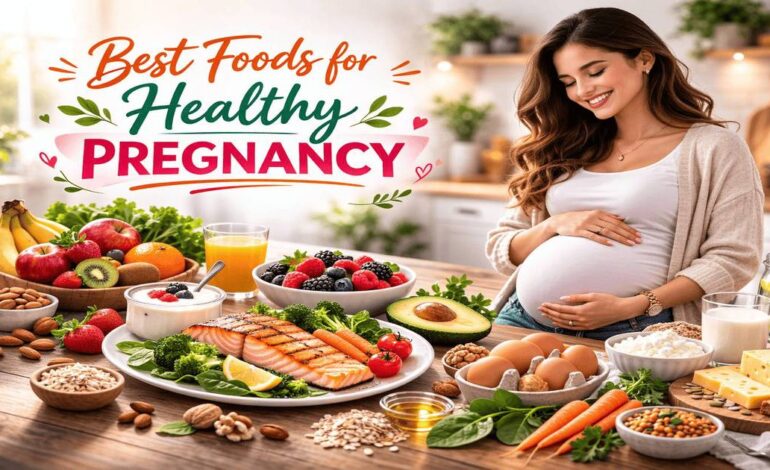
The moment you find out you’re pregnant, everything suddenly feels different. You’re not just eating to feel full anymore. Now you’re eating to help build a tiny human growing inside you. And that feels a little overwhelming, right? One question I keep hearing over and over is: what should you actually be eating to have a healthy pregnancy? Is there really specific food that makes a big difference? Or is it all just social media hype? Let me tell you the simple truth: eating during pregnancy isn’t about strict diets or being perfect. It’s not about cutting everything out or chasing some ideal plan. It’s about balance. Being smart. And making small, steady choices that add up day after day.
Why Is Nutrition Really Important During Pregnancy?
It’s not about the number on the scale. And it’s not about how you’ll look after giving birth. It goes much deeper than that. Imagine your body suddenly turning into a 24/7 workshop. No days off.
From the very beginning of pregnancy, the placenta starts forming. It’s a temporary organ, but it works like a power station, a storage unit, and a filter all at once. It’s not just something that “forms and that’s it.” a complex system that delivers oxygen, vitamins, and minerals to your baby, and removes waste too. And for it to function well, it needs raw materials. Those materials come from your food.
Then there’s blood volume. During pregnancy, your blood volume can increase by up to 40–50%. Just think about that. Your body is pumping significantly more blood to nourish another human being. If your iron is low, you might start feeling dizzy, exhausted, or notice heart palpitations. Not because you’re “being dramatic.” But because your reserves are actually dropping.
And building bones, nerves, and organs? That’s a whole chapter on its own.
The baby’s nervous system develops very early and relies heavily on folic acid. Bones need calcium and vitamin D. Cell growth requires protein. Every nutrient has a specific role. There’s no such thing as a “useless” nutrient during pregnancy.
At the same time and this is the part many people forget your body is trying to protect you too.
- If calcium intake is low, it may pull from your own bone stores.
- If iron is lacking, you’ll feel constant fatigue.
- If your meals are unbalanced, your mood can shift, your sleep can suffer, and even your immunity might weaken.
A doctor once told me something I never forgot: “The baby takes what it needs first. If something is missing, you’re the one who’ll feel the exhaustion, not the baby.” It sounds simple, but it carries weight. Your body’s priority is clear: protect the baby. But that doesn’t mean you have to run yourself into the ground.
That’s why choosing the best foods for healthy pregnancy isn’t a luxury. It’s not an Instagram trend. It’s a way to protect yourself before anything else.
You don’t have to be a nutrition expert. And you don’t need to count every gram. But making sure your meals include enough protein, iron, vegetables, and healthy fats? That’s a small daily investment with very big returns.
Read also: Top Healthy Pregnancy Snacks Every Mom-to-Be Should Try
Protein: The One Thing You Really Can’t Ignore
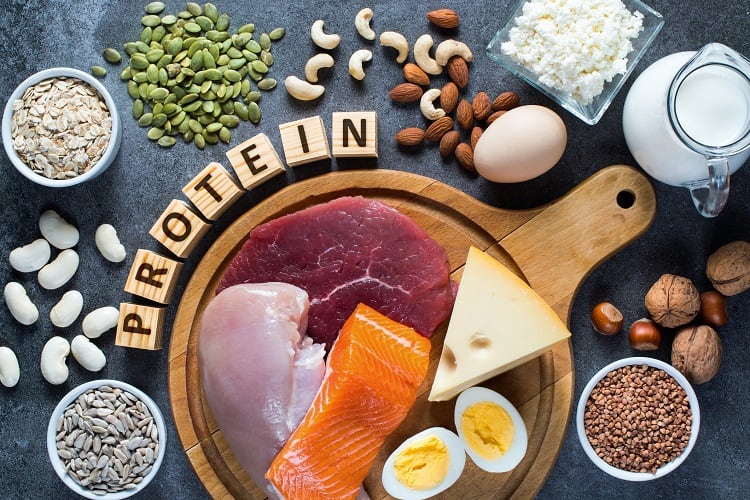
If there’s one nutrient I’d tell you to truly focus on during pregnancy, it’s protein. Not because it’s trendy. Not because of the gym. But simply because it’s the raw material your baby’s body is built from. Every new cell needs protein. Muscles, skin, organs the hormones your body suddenly starts producing more of all depend on it.
In the first months especially, tissue formation happens really fast. And in the last months, your baby starts gaining more noticeable weight and size which means protein needs go up even more.
The best sources aren’t complicated:
- Eggs (easy, quick, and almost nutritionally complete)
- Grilled or boiled chicken
- Well-cooked meat
- Lentils, beans, and other legumes
- Greek yogurt
It doesn’t have to turn into a strict system. You don’t need six perfectly measured meals a day. Just try that simple question whenever you eat something: “Where’s the protein here?”
For example:
- Had bread and cheese for breakfast? Great. Add an egg.
- Having fruit as a snack? Nice. Pair it with a handful of nuts or a cup of yogurt.
- These small tweaks make more difference than you think.
And here’s something people often forget: when protein intake is low, hunger comes back quickly. Then you might find yourself reaching for more sugar or refined carbs. That quick spike and crash in energy? It leaves you tired and moody and honestly, you already have enough going on.
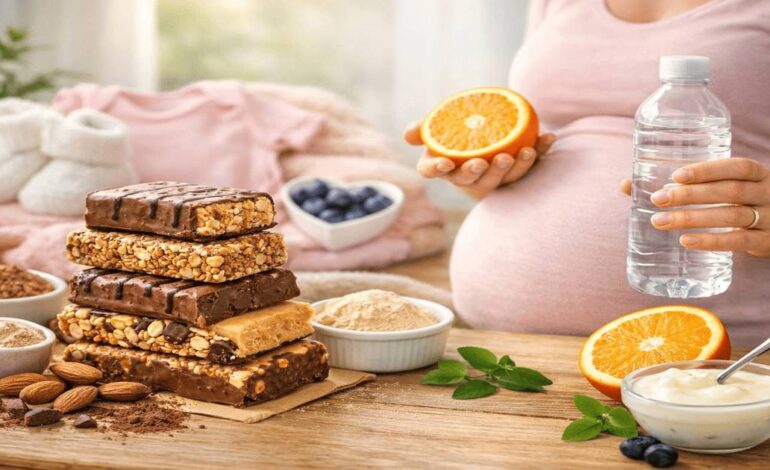
So what about protein bars?
The issue isn’t the word “protein.” It’s what’s hiding behind it. Some bars contain:
- Very high amounts of sugar
- Added caffeine
- Herbs or additives that aren’t well-studied for pregnancy
Not everything labeled “healthy” is actually right for you right now. Read the ingredients. If the list is long, complicated, and you don’t understand half of it, it’s probably not your best option. Sometimes a simple boiled egg is safer and better than an expensive imported bar.
At the end of the day, protein isn’t complicated. It’s already in everyday food. The key is just remembering it and making it a consistent part of your day. Your body is building a life right now. And good construction needs good bricks.
Leafy Greens: Not Just for Dieting
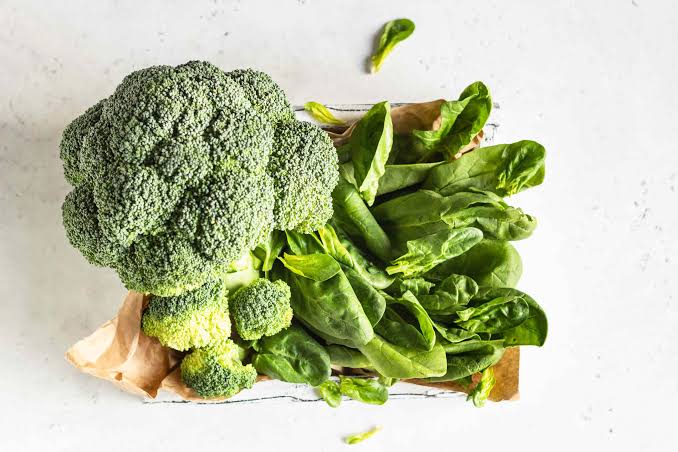
Spinach, arugula, broccoli I know they’re not exactly the most exciting things to see on your plate. And they’re probably not your first choice when you’re actually hungry.
But here’s something important: leafy greens aren’t on the list of best foods for healthy pregnancy because they’re low in calories or because they “help you lose weight.” They’re there because they contain something essential folic acid.
Folic acid plays a major role during the first three months of pregnancy.
That’s when the baby’s neural tube forms the structure that later develops into the brain and spinal cord. A lack of folate during this stage can lead to problems we really don’t want to deal with.
That’s why doctors usually prescribe a folic acid supplement as soon as you find out you’re pregnant and sometimes even before pregnancy. But even though supplements are important, real food has its own value. When your body gets vitamins from natural sources, it also gets fiber, antioxidants, and other minerals that complete the picture. It’s not just one nutrient on its own it’s a whole package.
Spinach, for example, doesn’t just contain folate. It also has iron, magnesium, and fiber. Broccoli has vitamin C, which actually helps your body absorb iron better.
And let’s be realistic you’re not going to wake up every day excited about eating a plate of arugula. If you don’t love the taste of spinach, mix it into an omelet. Add it to pasta with a light sauce. Throw a small handful into a fruit smoothie you probably won’t even taste it. The goal is to benefit from it without making yourself miserable.
Healthy Fats: Not All Fats Are the Enemy
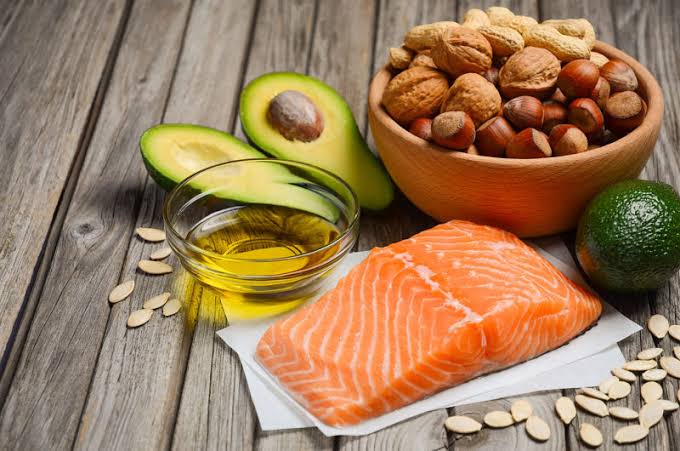
Back in the day, the moment we heard the word “fat,” we panicked. Like it was something bad by default. But the truth? Your body needs fat just the right kind.
There’s a huge difference between deep-fried food cooked in oil that’s been reused ten times, and natural, nourishing fats. Healthy fats aren’t a side detail on the list of best foods for healthy pregnancy they’re a core part of it.
One of the most important types is omega-3. This fat plays a big role in the development of your baby’s brain and retina. Many studies have linked it to supporting healthy neurological growth.
Good and generally safe sources include:
- Well-cooked salmon
- Walnuts
- Chia seeds
- Avocado
What’s nice about healthy fats is that they also help you stay full longer and keep your blood sugar more stable. That means steadier energy and a steadier mood. And we all know how much emotional balance can use some support during pregnancy.
But let’s pause for a second. Not all fish are pregnancy-friendly. Some types contain high levels of mercury, which can affect the baby’s developing nervous system. So it’s not just “eat fish and that’s it.” Choosing safe types of fish really matters. And cooking them thoroughly matters too no undercooked pieces.
If you want a detailed list of which types to avoid and how to choose safely, check our article: Foods to Avoid During Pregnancy: What You Must Skip for a Safe Pregnancy
Because it’s not just about “eating healthy.” It’s about eating with awareness. During pregnancy, small decisions make a difference. A spoon of chia seeds in your yogurt, a handful of walnuts as a snack, a properly cooked piece of salmon simple choices, but they support both your body and your baby at the same time.
Calcium: For Your Bones Before the Baby’s
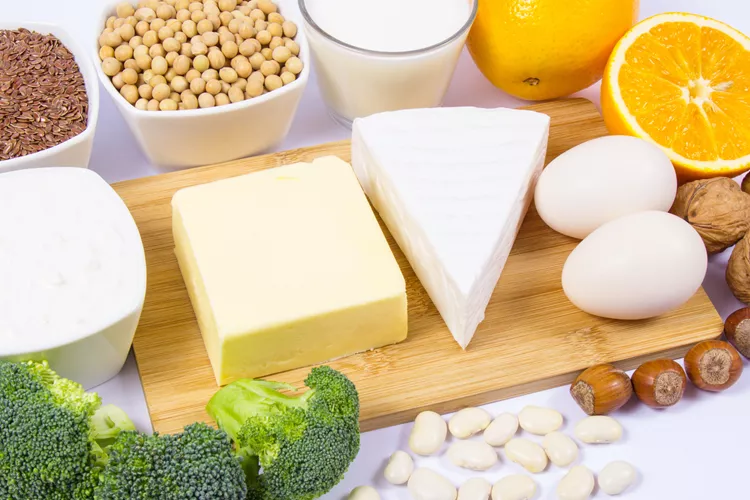
We always hear that calcium is important for the baby’s bones and that’s true. But what many people forget is that calcium matters for you first. During pregnancy, your body works in a very smart way. If your diet doesn’t provide enough calcium, it won’t say, “Okay, we just won’t build the baby’s bones.” No. It will start pulling calcium from your own stores.
Over time, that can show up as tooth sensitivity, mild joint aches, or frequent muscle cramps. Sometimes we assume all of this is just “normal pregnancy stuff.” And yes, some of it is. But part of it can be linked to simple nutrient deficiencies.
Your baby’s bones gradually form and strengthen especially in the last months. For that process to go smoothly, your body needs a steady supply of calcium.
Good sources aren’t complicated:
- Milk
- Yogurt
- Cheese
- Tofu
You don’t need to overdo it. A cup of milk, a container of yogurt, a slice of cheese with breakfast these small things add up. If you’re lactose intolerant or just don’t like dairy, there are fortified plant-based options like certain almond or soy milks. Just make sure to read the label, because not all alternatives contain enough calcium.
And here’s something important: Calcium needs vitamin D to be absorbed properly. So moderate sun exposure or checking your vitamin D levels with your doctor plays a role too. On the list of best foods for healthy pregnancy, calcium isn’t a minor detail. It supports you first and your baby through you.
Read also: Healthy Low Calorie Snacks to Support Your Pregnancy Fitness Goals
Fruit: Not Just “Natural Sugar”
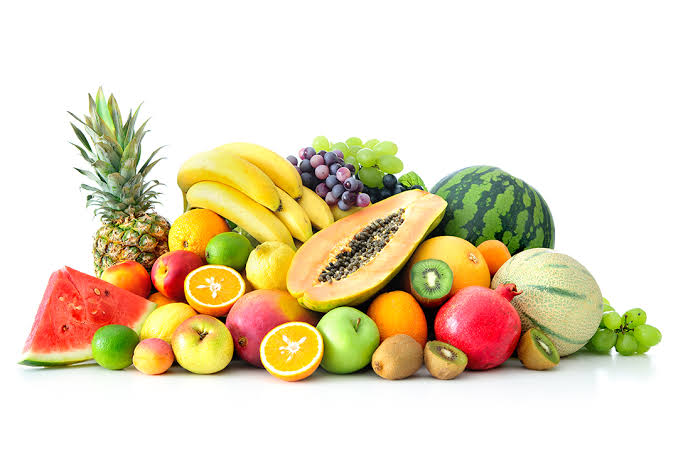
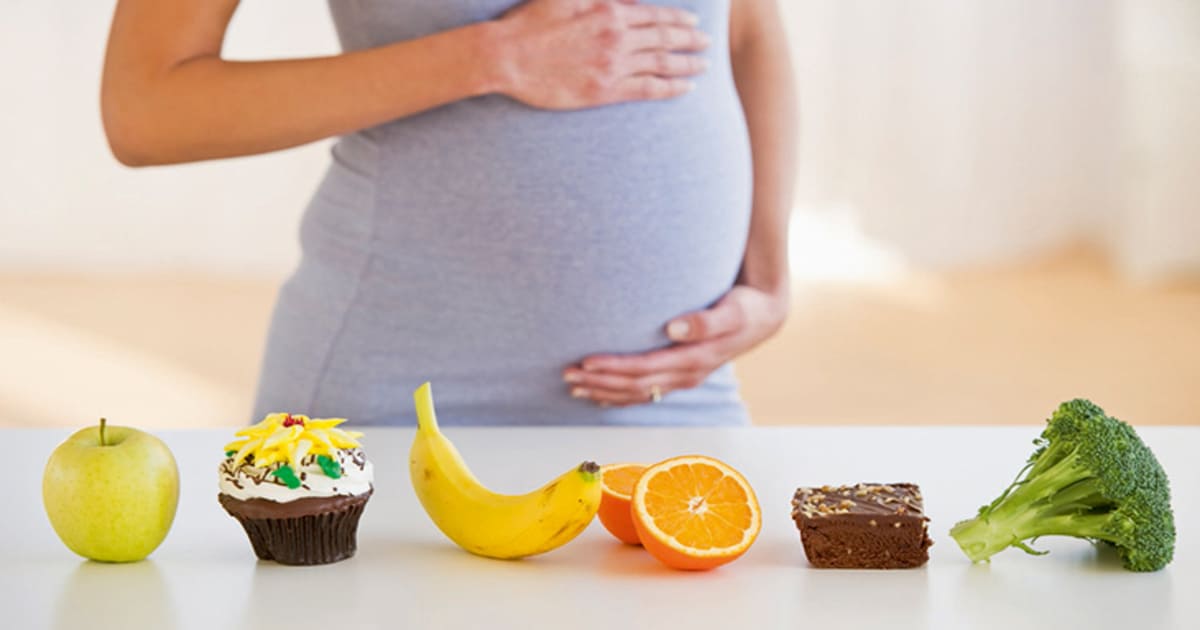
Oranges, bananas, apples, berries. Simple, available, and honestly one of the easiest snacks you can have during the day. A lot of people look at fruit as just “healthy sugar.” But it’s a little more than that.
Oranges, for example, are packed with vitamin C, which helps your body absorb iron better and iron is a big deal during pregnancy. Bananas contain potassium, which can help reduce muscle cramps. Berries are rich in antioxidants that support your immune system. And apples? Their fiber is gold, especially during a time when constipation can become let’s say, an uninvited guest.
Yes. constipation. Not the most glamorous topic, but let’s be real. It’s very common in pregnancy because of hormonal changes and the pressure of the growing uterus on your intestines. And that’s where fiber becomes really important.
But here’s a small tip: don’t spend your whole day drinking fruit juice and assume you’re doing everything right. When you juice fruit, you lose a big part of the fiber, and what’s left is concentrated natural sugar that’s absorbed quickly. That can make your blood sugar spike and crash and that’s the last thing you need right now.
Eat your fruit whole. Slice it, pack it in a container, or add it to yogurt. It might seem like a small difference in form, but it’s a big difference in benefit. On the list of best foods for healthy pregnancy, fruit has a steady place not because it replaces dessert, but because it gives you a balanced mix of vitamins, fluids, and fiber.
Do you really have to eat perfectly all the time?
No. Honestly, no.
Pregnancy isn’t a competition for the “perfect mom.” And it’s not an exam where every meal is graded.
There will be days when you wake up with zero appetite. The smell of the kitchen bothers you. Even coffee the one you used to love might suddenly feel annoying. And other days? You’ll crave fries at 2 a.m. Not just any fries. A very specific kind, from a very specific place.
That’s completely normal. Pregnancy hormones play a huge role in appetite and cravings. The goal isn’t to completely restrict yourself. And it’s not to live in constant stress over whether every bite is “right or wrong.” What really matters is the average.
If about 70% of your choices fall under the best foods for healthy pregnancy meaning enough protein, vegetables, fruit, healthy fats, calcium then you’re doing just fine.
The other 30%? Not a disaster. A piece of chocolate won’t ruin your pregnancy. One light-eating day won’t harm your baby. Your body is smarter than you think. It can handle fluctuations as long as the overall picture is stable.
Chronic stress doesn’t help either. Feeling guilty after every “imperfect” choice just drains your energy for no reason. Healthy pregnancy nutrition doesn’t look like a flawless Instagram plate. It looks like small, repeated, realistic decisions.
One week you might feel very consistent. The next week, not as much. That’s normal. Just ask yourself from time to time: Are my overall choices supporting me and my baby? If the answer is yes keep going.
A Few Important Notes
Let’s be honest for a moment. Pregnancy isn’t the time for “let’s try it and see what happens.” Not to create fear but because your immune system changes. and your body becomes more sensitive than usual.
- Cook your meat thoroughly.
Not medium, Not “still a little pink.” Undercooked or raw meat can carry bacteria or parasites like toxoplasma. The names sound scary, and you don’t need to stress over them. Just keep it simple: cook it fully.
- Wash your vegetables well.
Even if they look clean. Leafy greens especially can carry soil residue or microbes. A quick rinse under water isn’t always enough. Let them soak for a bit and rinse properly. It’s a small step, but it matters.
- Avoid unpasteurized cheeses.
Some imported or local cheeses may be made from unpasteurized milk. That can increase the risk of bacteria like listeria. It’s not extremely common, but still why take the risk?
- Limit caffeine.
You don’t necessarily have to cut it out completely unless your doctor tells you to. A small cup of coffee is usually fine. But 4–5 cups a day? That’s worth rethinking. Pregnancy isn’t the time for food risks.
- Not half-cooked sushi.
- Not questionable street food.
- Not because you need to live in fear but because you want to choose safely.
Sometimes the difference is in very small details. Proper cooking, proper washing, and a quick look at ingredient labels can save you a lot of worry later.
In the End
Eating during pregnancy isn’t a long list of strict rules. It’s a new relationship between you and your body. Listen to its signals. If you’re hungry, eat. you’re constantly exhausted, take a look at your nutrition. If you’re unsure, ask your doctor. And remember the best foods for healthy pregnancy aren’t expensive superfoods. They’re simple, balanced meals, cooked properly, and chosen consistently in a smart, realistic way.
Read also: Best Vegan Prenatal Vitamins: A Complete Guide for a Healthy Pregnancy
Frequently Asked Questions (FAQ)
Focus on balanced meals: protein (eggs, chicken, lentils), leafy greens, whole fruits, healthy fats, and dairy products. That’s basically the foundation of the best foods for healthy pregnancy.
Protein, folic acid, iron, calcium, and omega-3 are some of the most important nutrients for healthy fetal growth.
There’s no magical food, but spinach, eggs, well-cooked salmon, Greek yogurt, and berries are some of the strongest choices you can include regularly.
Raw food
Undercooked meat
Unpasteurized cheeses
High-mercury fish
Processed meats in excess
Medical Disclaimer: Since nutritional needs vary from person to person based on health status, age, and medical history, we strongly recommend consulting your physician or a certified nutritionist before starting any new diet or changing your eating habits, especially if you have chronic conditions or are taking specific medications. Accordingly, the nutritional information provided in this article is for educational and informational purposes only and should not be considered medical advice or a formal diagnosis.