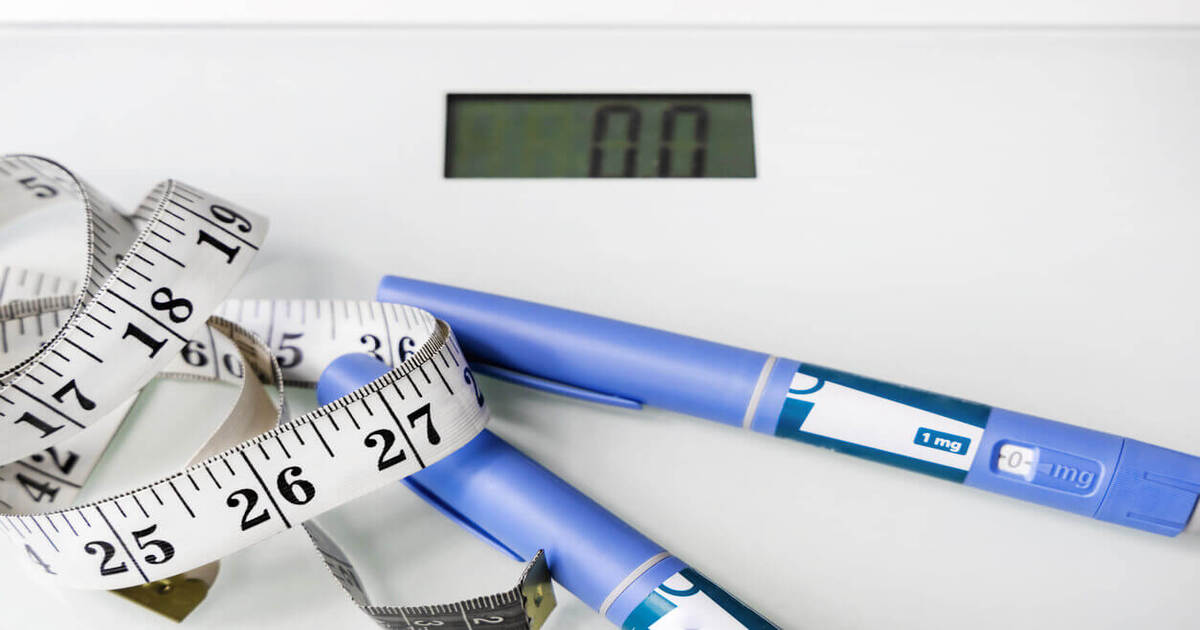
Benefits and Risks of Weight Loss Injections: What You Need to Know Before You Start
If you’re thinking about getting weight loss injections, chances are you’ve reached a point of real exhaustion. One diet after another. A gym membership that slowly turns into a forgotten card in your wallet. And endless attempts that don’t seem to lead anywhere. Weight loss shots showed up as a “somewhat quick fix” but honestly? It’s more complicated than just a weekly injection. The benefits and risks of weight loss injections aren’t just a matter of personal opinion. It’s a medical issue with very clear sides and other parts that really require awareness and careful thinking before making a decision.
What are weight loss injections, scientifically? And why did they cause all this buzz?
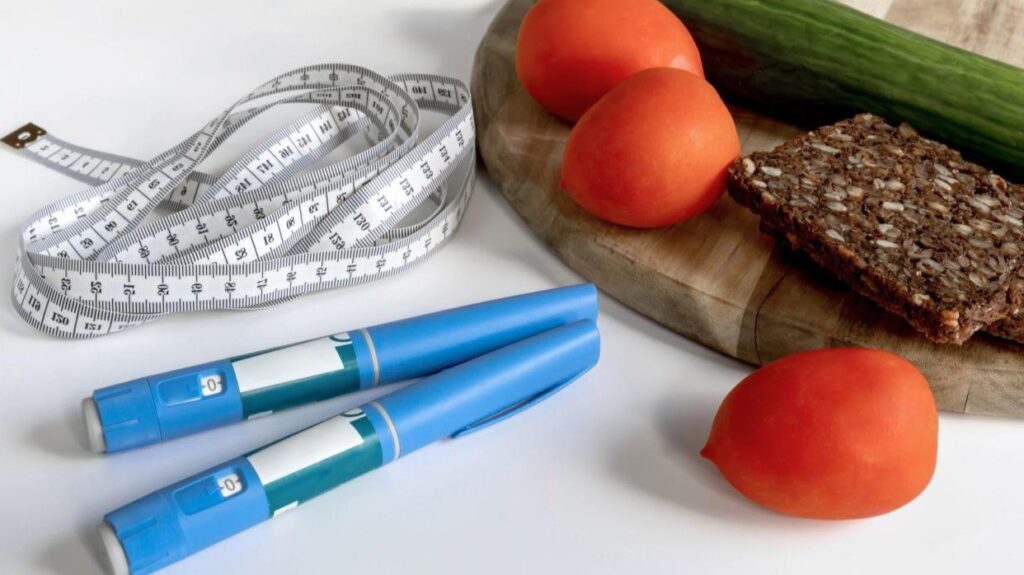
The most popular injections right now are based on medications that belong to a group called GLP-1 receptor agonists, such as:
- Semaglutide
- Liraglutide
- Tirzepatide
These drugs weren’t originally created for weight loss. They were mainly developed to treat type 2 diabetes. But during clinical trials, researchers noticed that patients were losing a noticeable amount of weight. And that’s basically where the story began.
How do they work? In simple terms, they:
- Reduce appetite by affecting the brain’s satiety centers
- Slow down stomach emptying
- Improve insulin sensitivity
- Lower blood sugar levels
So you’re not “burning fat” in some magical way. You’re simply eating less without the constant daily battle with hunger.
Read also: A Complete Guide to Weight Loss Drops: Benefits, Risks, and How to Use Them Effectively
The Benefits of Using Weight Loss Injections
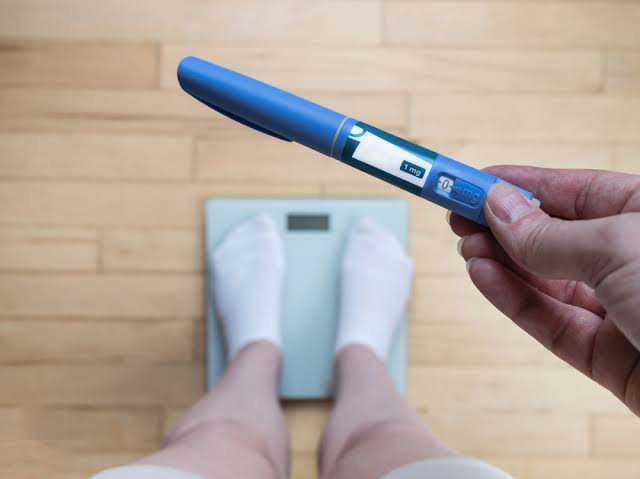
Let’s be honest for a moment. The first thing most people think about when they hear about weight loss injections is, “How much weight will I lose?” But the truth is, it’s not just about a number on the scale. The benefits can go beyond that. And to really understand the benefits and risks of weight loss injections properly, we need to look at their impact on the whole body not just how we look in the mirror.
1. Noticeable, Scientifically Proven Weight Loss
In large clinical trials done on GLP-1 medications, the average weight loss was actually between 10% and 20% over about 12 months. Some patients lost more, some less but even the average is considered a major breakthrough in obesity treatment, especially compared to older medications that barely achieved 5%.
Why does this number matter? Because losing 10% of your body weight isn’t just “dropping a few kilos.” It literally changes your body’s physiology. When someone who weighs 100 kg loses 10 kg:
- Insulin resistance starts to improve noticeably
- Blood pressure often drops, sometimes enough to reduce medication doses
- Triglyceride levels decrease
- LDL (“bad”) cholesterol improves
- Pressure on the joints, especially the knees and lower back, becomes lighter
Fat isn’t just passive storage. It’s hormonally active tissue that releases inflammatory substances affecting the heart, blood vessels, and even the immune system. When we reduce body fat, we’re not just changing appearance we’re calming down chronic inflammation inside the body.
In some studies, there was a clear improvement in HbA1c levels even in people who didn’t have full diabetes, but were in the prediabetes stage. That means we’re not only treating weight we may be preventing a disease before it fully develops.
I mentioned earlier a patient who lost 14% of her weight over eight months. She had severe insulin resistance, and every previous diet attempt ended in intense hunger episodes. After starting treatment, the first change she noticed wasn’t the scale it was feeling full.
That psychological shift is huge. A big reason many weight loss attempts fail is the constant battle with appetite. When that struggle quiets down, sticking to healthier habits becomes much easier.
An important point:
results are not the same for everyone. Some people respond quickly, others need more time, and some have a more limited response. Genetics, eating habits, physical activity, and even sleep all play a role.
What’s important to understand is that this weight loss isn’t just “water weight” or a temporary drop. In most studies, the majority of the loss came from fat especially visceral fat around the internal organs, which is the most dangerous type health-wise.
That’s why when we talk about the benefits and risks of weight loss injections, the first benefit weight loss isn’t superficial. It’s often the beginning of a chain of metabolic improvements that can completely change a person’s health trajectory.
2. Reducing Appetite Through a Real Neuro-Hormonal Mechanism
Let’s clear up something important: hunger isn’t a lack of willpower. And it’s not about being undisciplined. It’s much more complex than that.
The feeling of hunger and fullness is controlled by a complicated network of signals between the stomach, intestines, pancreas, and brain. Hormones like ghrelin (which increases hunger), leptin (which signals fullness), and insulin all work together in a very delicate system.
The problem is that in many people who struggle with obesity or insulin resistance, this system becomes a bit “out of sync.” Fullness signals may not reach the brain properly, or they arrive late. So the person keeps feeling like they want to eat, even if their body has technically had enough. This is where the injections come in.
These medications act on specific receptors in the brain and digestive system. They help you feel full sooner, and that feeling lasts longer. On top of that, they slow down how quickly the stomach empties, so food stays there longer. That means you don’t feel hungry again after just an hour or two like before.
The difference patients often describe isn’t, “I’m forcing myself to eat less.” And that psychological shift is huge.
One thing needs to be said clearly: obesity is a complex metabolic disease. It’s not laziness. It’s not a weak personality. There are genetic, hormonal, environmental, and psychological factors involved. Once we truly understand that, we can approach the issue more rationally and with a little more kindness toward ourselves.
3. Improving Heart and Metabolic Health
This goes beyond the question of “How many kilos will I lose?” Because the most dangerous part of obesity isn’t how it looks it’s the silent impact it has on the heart and blood vessels.
Some medications, like Semaglutide, have shown in large clinical studies that they can reduce the risk of serious cardiovascular events in people with diabetes and obesity, such as heart attacks and strokes. And that’s a very big deal, since heart disease is the leading cause of death worldwide among people struggling with obesity.
How does this happen? The improvement isn’t just from weight loss even though that’s a major factor. There’s also:
- Better insulin sensitivity
- Lower HbA1c levels
- Reduced blood pressure in some patients
- Improved triglycerides and cholesterol levels
When all these factors improve together, the strain on the heart decreases. Imagine a body that’s been carrying extra load for years and then that load slowly starts to lighten.
In some patients, lab results after six or eight months look genuinely different. Numbers that were borderline or risky begin moving back into a safer range. That doesn’t just change a number on the scale it can change a person’s entire health future.
That’s why when we talk about the benefits and risks of weight loss injections, we have to remember that the benefit isn’t only about wearing smaller clothes. It’s also about lowering the risk of complications that can be far more serious than the weight itself.
The Risks: The Part No One Likes to Talk About
Let’s slow down a bit. The picture isn’t complete unless we put the benefits next to the risks without sugarcoating anything. That’s a key part of understanding the benefits and risks of weight loss injections with real awareness, not just excitement.
1. Digestive Side Effects
The most common issues show up in the first few weeks, and they usually involve the digestive system. That makes sense, since the medication directly affects the stomach and how it moves.
Common side effects include:
- Nausea
- Vomiting
- Constipation, or sometimes diarrhea
- Bloating and general discomfort
For some people, the symptoms are mild and fade over time especially if the dose is increased gradually, the way it’s supposed to be medically. But for others, it can be genuinely uncomfortable, to the point where they decide to stop the treatment.
Slower stomach emptying is usually the main reason behind this feeling. Food stays in the stomach longer, so fullness lasts longer which is part of the benefit. But sometimes that turns into a heavy or uneasy sensation, like the stomach just isn’t comfortable.
Some patients describe it simply as:
“It feels like the food is just sitting there.”
That feeling by itself isn’t dangerous, but it does need monitoring. And if it becomes intense, or is accompanied by persistent vomiting or strong pain, a doctor should be informed right away.
The goal here isn’t to scare anyone. It’s about balance. The body needs time to adjust and sometimes it clearly tells us when it’s not okay. When that happens, we should listen.
2. Loss of Muscle Mass
This one is actually pretty important, and not many people pay attention to it when they’re excited about the number dropping on the scale.
When weight comes down quickly, the body doesn’t really separate “bad fat” from “important muscle.” It loses some of both. That’s just basic biology. Muscle tissue burns energy, so when calories suddenly drop, the body tries to save fuel and muscle can be part of what’s lost.
The problem is, losing muscle isn’t good in the long run. Muscle helps maintain your metabolic rate. The less muscle mass you have, the lower your basal metabolism becomes. So you might feel happy that you lost weight but later you could hit a frustrating plateau, or even regain weight more easily than before.
That’s why I always say: the scale isn’t the whole story.
Some people come in thrilled because they’ve lost 8 or 10 kilos. But when we check their body composition, we sometimes find that a noticeable part of that loss came from muscle, not just fat. And that completely changes how we evaluate the progress.
The solution isn’t complicated, but it does require commitment:
- Eat enough protein daily based on your body weight
- Do resistance training, even simple exercises, two or three times a week
- Follow up regularly if possible
Weight loss injections can help you eat less, but preserving your muscle is still your responsibility. If you balance things properly, you can lose fat while keeping your strength at the same time.
3. Possible Risk of Pancreatitis
This isn’t common, but it’s important to say it clearly. Some medical reports have linked certain GLP-1 medications to a possible risk of pancreatitis. The cases are rare, but they do exist and that’s why they shouldn’t be ignored.
Pancreatitis usually shows up as sudden, strong pain in the upper abdomen. Sometimes the pain spreads to the back. It can also come with persistent vomiting or severe nausea. This isn’t mild discomfort it’s typically sharp and worrying.
If someone using these injections experiences symptoms like that, they should stop the medication immediately and contact a doctor or go to the emergency room. It’s not something to wait out and see if it improves on its own.
Does this mean everyone who takes the injection will develop pancreatitis? Of course not. But a small possibility makes medical follow-up essential especially for people who already have a history of pancreatic problems or gallstones.
4. Gallbladder Problems
There’s something many people don’t connect right away: rapid weight loss and gallstones. Whether the weight drops because of a strict diet, bariatric surgery, or even weight loss injections the speed itself can be a risk factor.
At the same time, with less food intake and slower gallbladder movement, that bile can become more concentrated and start forming stones. So it’s not exactly that “the injection caused the problem.” In many cases, it’s the rapid weight loss that plays the bigger role.٠
Common symptoms of gallstones include:
- Pain that may spread to the shoulder or back
- Nausea, especially after eating fatty meals
Not every gallstone needs treatment. Some people may never even know they have one. But in certain cases, stones can lead to inflammation or blockage, and that’s when medical care becomes necessary.
That’s why follow-up matters especially if the weight loss is happening very quickly. As always, balance is key. Gradual, well-monitored weight loss significantly reduces these risks.
5. What Happens After Stopping?
This is the question people ask sometimes out loud, sometimes quietly:
“If I stop, will I gain the weight back?”
I’ll answer honestly, without going in circles: yes, many people do regain weight if no real lifestyle changes were made.
These medications reduce appetite and make it easier to control food intake while you’re using them. But they don’t permanently “reprogram” the brain. Once the medication is stopped, the hormonal signals that were calming your appetite gradually return to their usual state. Hunger slowly increases, and cravings can come back stronger than you expected.
And that’s not a personal failure. It’s physiology.
In follow-up studies after stopping treatment, a large portion of patients regained part of the weight they had lost within about a year. That’s especially true if there wasn’t a stable eating pattern, consistent physical activity, or real habit changes in place.
That’s why I always say: the injection is an opportunity not a permanent solution.
The time you’re using it should be a foundation phase. A period where you learn to eat appropriate portions, improve your relationship with food, add resistance training, and build a routine you can actually maintain even without medication.
If real change happens, the chances of maintaining the weight loss are much higher. If not, the body simply returns to the “set point” it’s used to.
Read also: Laxatives for Weight Loss: Myths, Risks, and Health Consequences
Who Should Not Use Them?
Weight loss injections aren’t suitable for everyone, even if the results look tempting. In some medical situations, the risks may outweigh the benefits and that needs to be decided before taking any step.
People who are usually advised to avoid this treatment include:
- Those with a family history of medullary thyroid cancer
- Patients with recurrent pancreatitis
- Pregnant women or those planning to become pregnant
- Anyone currently struggling with active eating disorders, such as bulimia or anorexia
In these cases, the potential risks can be higher than the expected benefit. Some of these medications also carry specific warnings related to the thyroid or pancreas.
The key point here is that this isn’t a trend to blindly follow. Just because your friend lost 12 kilos doesn’t mean it’s right for you. Every body has its own medical history and unique circumstances.
A proper medical evaluation isn’t optional it’s essential. Blood tests, a review of your medical history, and sometimes additional imaging or assessments depending on the case. The right decision here isn’t the fastest one. It’s the safest one.
Is It a Magic Solution?
No. And honestly, anyone who tells you otherwise is selling you an illusion. Weight loss injections are a powerful medical tool, and they can make a real difference. But on their own? Not really.
For the results to be healthy and last long term, you still need:
- A well-structured eating plan that fits your body not a harsh diet you follow for two months and then hate
- Resistance training to protect your muscle mass and metabolism
- Regular lab follow-ups to make sure everything is moving in the right direction
- Ongoing medical supervision not just a prescription and that’s it
Think of the injection like a crutch. It helps you walk and reduces the load at the beginning. But the goal, eventually, is to walk steadily without it.
If you use it as a transition phase to build new habits, it can truly be a turning point. If you depend on it alone, the results will most likely be temporary.
And if you’d like to see the bigger picture about the different types of injections and how they’re used, you can check the full guide on Weight Loss Shots
Conclusion
The decision to start weight loss injections requires real awareness. The benefits and risks of weight loss injections aren’t just a simple list of pros and cons it’s a full medical experience that can vary from one person to another. These injections may help you lose a noticeable amount of weight and improve your overall health. But they don’t work on their own. Success depends on your lifestyle, your consistency, and proper medical supervision. In the end, it’s not really about the injection itself. It’s about how you choose to use it as the beginning of a more balanced and healthier chapter in your life.
Read also: Best Weight Loss Program: A Complete Guide to Losing Weight the Healthy Way
Frequently Asked Questions
Medically approved injections are generally considered relatively safe when used under proper medical supervision. But they’re not free of side effects especially digestive issues in the beginning. That’s why proper evaluation and regular follow-up are very important.
They can be worth it for people whose weight is seriously affecting their health. But if the goal is just minor cosmetic weight loss, they may not justify the potential risks or the financial cost. It really depends on the situation.
It’s important to separate two things here. There are medically approved appetite-regulating injections used for overall weight loss. And then there are local fat-dissolving injections, which target specific areas only. They’re not the same, and they don’t work in the same way.
The safest options are usually FDA-approved medications that work on GLP-1 receptors and are prescribed by a doctor. But the most important thing isn’t just the name of the drug it’s whether it’s appropriate for your specific health condition and used under proper medical supervision.
Medical Disclaimer: Since nutritional needs vary from person to person based on health status, age, and medical history, we strongly recommend consulting your physician or a certified nutritionist before starting any new diet or changing your eating habits, especially if you have chronic conditions or are taking specific medications. Accordingly, the nutritional information provided in this article is for educational and informational purposes only and should not be considered medical advice or a formal diagnosis.