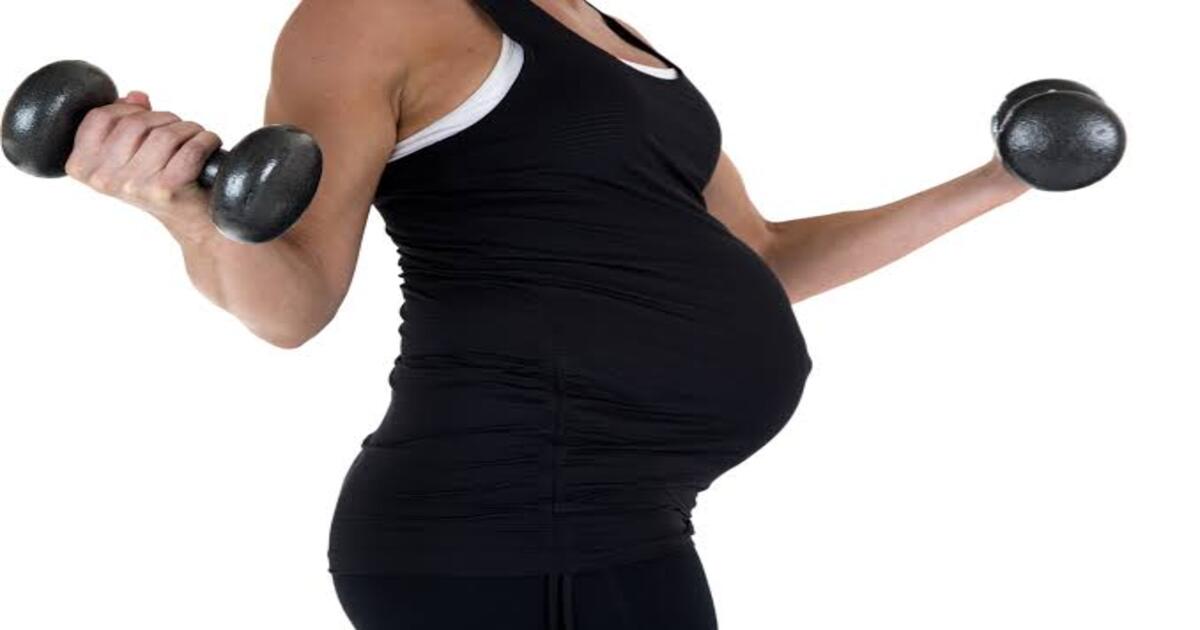
Prenatal Yoga: A Comprehensive Guide to Safe Yoga During Pregnancy, Step by Step
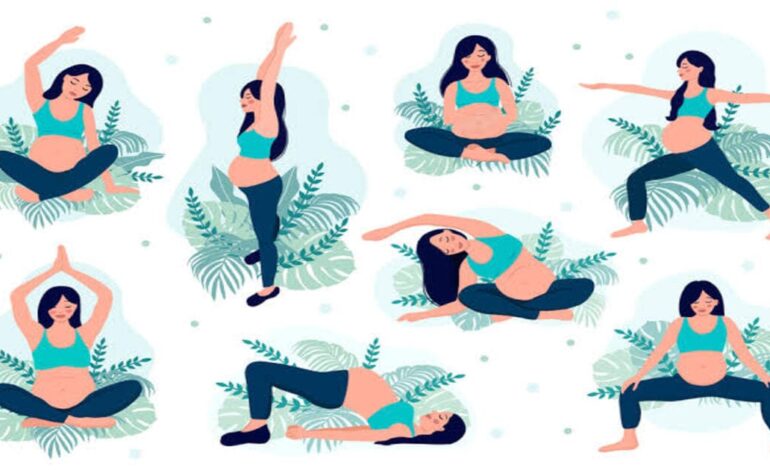
Pregnancy is a journey full of physical and emotional changes. Some days you feel energized and comfortable, and other days feel heavy, tiring, and full of anxiety. That’s completely normal. This is why many pregnant women look for gentle, safe movement that helps them stay active without putting pressure on themselves or their baby. That’s where prenatal yoga comes in a calm, reassuring option that fits the pregnancy stage with all its details.
What Is Prenatal Yoga?
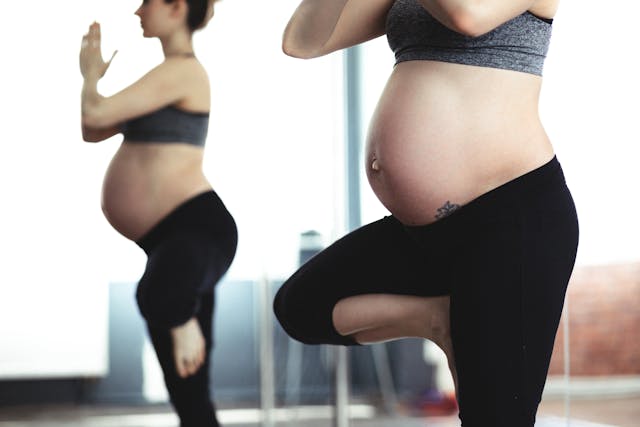
Simply put, prenatal yoga is a type of yoga made specifically to suit a pregnant woman’s body at every stage of pregnancy. It’s not just “regular yoga” with a different name. It’s a whole system of movement, breathing, and relaxation designed with the fact that your body is changing day by day.
In regular yoga, you might find:
- Strong or intense movements
- Deep stretching
- Pressure on the belly or lower back
- Poses that require a lot of balance
- All of that isn’t suitable during pregnancy.
Prenatal yoga, on the other hand, is adjusted to be safe and comfortable:
- Movements are slower and gentler
- No pressure on the belly
- Poses support your body instead of exhausting it
The main focus is comfort and breathing, not performance or how a pose looks Prenatal yoga also pays special attention to areas that usually get tired during pregnancy, such as:
- The back
- The hips
- The legs
- The shoulders
Poses are carefully chosen to help you:
- Improve flexibility without strain
- Reduce common pregnancy aches
- Learn calm, mindful breathing
Most importantly, prenatal yoga never asks you to push yourself. There’s no competition, no comparison, and no “you must hold this pose.” Every movement is done based on your own ability, and anytime you feel uncomfortable, you can stop or adjust the pose.
That’s why we can confidently say prenatal yoga is yoga tailored for pregnancy respecting your body, your emotions, and the changes you’re going through, step by step.
Read also: Lose Weight in a Month: A Healthy One-Month Experience
Is Prenatal Yoga Safe During Pregnancy?
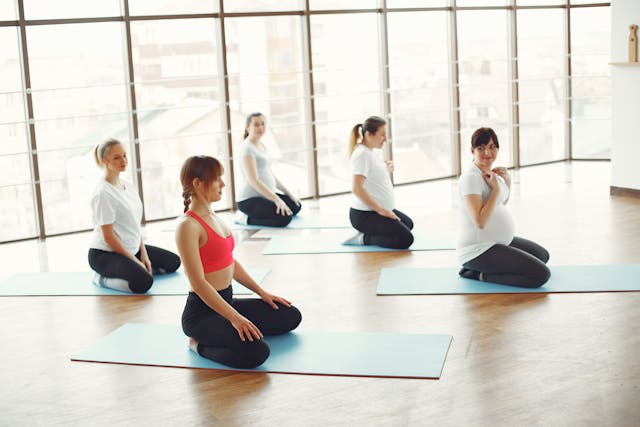
The short and clear answer is: yes, prenatal yoga is safe during pregnancy. But this is a very important point it should always be done with your doctor’s approval. In most healthy, normal pregnancies, prenatal yoga is a great option for gentle movement. It doesn’t exhaust the body or put pressure on it. On the contrary, it helps your body adapt to the changes that happen during pregnancy.
Prenatal yoga is considered safe because it:
- Uses slow, controlled movements
- Avoids direct pressure on the belly
- Stays away from poses that could affect blood flow
- Focuses more on comfort and breathing than effort
However, in some cases, a doctor may advise avoiding or postponing yoga, for example if you have:
- Repeated bleeding during pregnancy
- Placenta-related issues
- Risk of preterm labor
- Uncontrolled blood pressure or gestational diabetes
In these situations, the body needs more rest, and even light movement should only be done under medical supervision. That’s why asking your doctor isn’t just a formality it’s a safety step for you and your baby. It helps you practice yoga with peace of mind, without fear or stress.
Always remember: not every body is the same, and not every pregnancy is alike. When movement matches your health condition, yoga becomes a truly calming and helpful experience, not a source of tension.
Benefits of Prenatal Yoga
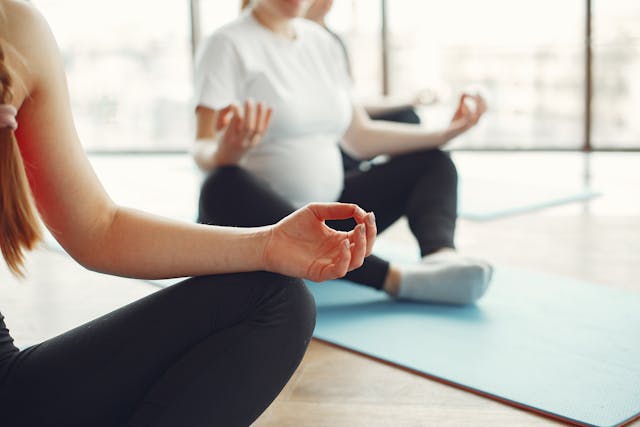
The benefits of prenatal yoga don’t stop at the workout itself. Over time, they show up in your whole day, your body, and your mental state.
Physical Benefits
As pregnancy progresses, your body carries more weight and deals with daily pressure. Prenatal yoga helps in a gentle, supportive way:
- Reduces back and hip pain: Light movements and gentle stretches relax the muscles that carry most of the load, especially the lower back.
- Improves muscle flexibility: Without forcing or over-stretching, your body becomes softer and easier to move.
- Improves posture: Being more aware of how you stand and sit reduces fatigue and eases that heavy feeling.
- Supports calm, steady breathing: No gasping or strain just deep, organized breathing that helps your body feel more relaxed.
Mental & Emotional Benefits
Pregnancy isn’t just a physical change; it’s a full emotional journey. Prenatal yoga strongly supports this side:
- Reduces stress and anxiety: During practice, your mind slows down and you feel more present in the moment.
- Helps with better sleep: When your body relaxes and your breathing calms, falling asleep becomes easier.
- Helps you connect with your body: You start to understand its signals and listen to it instead of fighting it.
Preparing for Birth
Without turning you into an athlete or putting pressure on you, prenatal yoga gently prepares you for what’s coming:
- Breathing exercises are very helpful during labor: They help you calm yourself and handle difficult moments with more control.
- Better body awareness: You learn when to rest and when to change your position.
- A stronger sense of self-confidence: Because you feel more in tune with your body and more comfortable with it.
When Can You Start Prenatal Yoga?
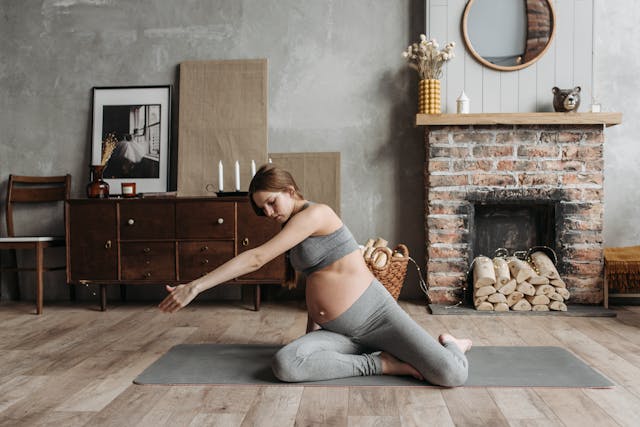
Many pregnant women feel unsure: Can I start now? Should I wait? Is there a better time than others?
The truth is, prenatal yoga is very flexible and can be adapted to every stage of pregnancy. What really matters is that the style matches the timing and how your body feels.
First Trimester
The first trimester is a sensitive phase. Your body is changing quickly, and pregnancy hormones are at their peak. Many women during this time feel:
- General fatigue
- Nausea
- Dizziness
- Feeling heavy even with very little effort
If your doctor approves, yoga in the first trimester looks very different from regular exercise. The focus is on:
- Calm breathing to soothe the nervous system
- Very gentle stretching to release tension without strain
- Light movements to support circulation
There’s no pressure to “finish a workout.” Even a very short session, or just breathing exercises, counts as real practice at this stage. And if your body doesn’t feel ready, postponing is wisdom not failure.
Second Trimester
The second trimester is usually the most comfortable phase for many women. The body has adjusted to pregnancy, nausea often fades, and energy comes back a bit. That’s why it’s often considered the ideal time to practice yoga.
During this stage, practice:
- Feels more balanced
- Includes a bit more movement, without exhaustion
- Focuses on strengthening the muscles that will support added weight
The main goals here are:
- Supporting the back and hips
- Improving posture
- Maintaining muscle flexibility
- Learning steady breathing that will help later on
Third Trimester
In the final months, the body feels heavier, and even normal movement can become tiring. Here, prenatal yoga takes on a very different form.
Practice becomes:
- Slower
- Gentler
- More about relaxation than exercise
The main focus in this stage is:
- Reducing pressure on the back and hips
- Comfortable, supported poses using pillows or props
- Deep breathing to help calm your body and mind
Mental preparation for birth
In the third trimester, prenatal yoga isn’t about “being active.” It’s about feeling comfortable, safe, and connected to your body during a phase that needs extra support.
And through every stage of pregnancy, remember the golden rule: there’s no “right” time except when your body says it’s ready. Yoga is there to walk with you step by step not to push or exhaust you.
Read also: Pregnancy Workout Plan: Safe Exercises for Every Trimester
Step-by-Step: How to Practice Prenatal Yoga Safely
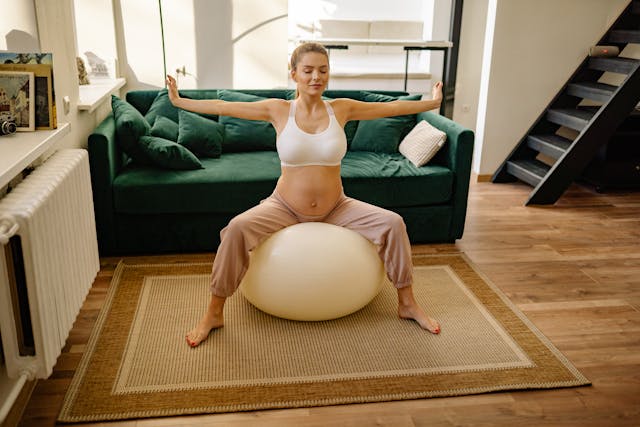
The idea of prenatal yoga isn’t about “working out.” It’s about moving with awareness and safety. Every step has a purpose, and every detail is there to protect you and help you feel comfortable.
Step 1: Prepare Your Space
Before any movement, your space should feel calm and supportive. Choose:
- A quiet place away from noise and distractions
- A comfortable mat, or even a regular rug with a blanket
- Good ventilation or an open window
- Loose, comfortable clothes that let you move freely
The right space helps your body relax before you even begin.
Step 2: Gentle Warm-Up
Warming up in yoga isn’t effort it’s more like waking the body up. Start with:
- Simple neck rolls
- Gentle shoulder movements
- Light stretches for the back
Every movement should be:
- Slow
- Matched with your breathing
- Free from strain or pressure
If you feel any discomfort, stop immediately.
Step 3: Safe and Simple Poses
This is the heart of yoga: comfortable movements, not exhausting ones. The focus is on:
- Seated poses that support the back
- Gentle stretches to release tension
- Using pillows under your legs or back if you need extra support
There’s no pose you “have to” do. Any position can be modified or skipped completely.
Step 4: Breathing
Breathing is the foundation of yoga for pregnant women it’s what makes the practice truly calming. Try:
- Slow inhales through the nose
- Longer exhales through the mouth
- Calm, steady breathing
Avoid:
- Holding your breath
- Panting
- Forcing anything
Proper breathing relaxes your body and quiets your mind.
Step 5: Relaxation
Ending the session is just as important as starting it. Choose:
- A comfortable seated position
- Or lying on your side (not flat on your back)
Close your eyes for a moment:
- Focus on yourself
- Feel your body
- Let any tension melt away with each exhale
Even if the session is only 10 minutes, relaxation makes it complete and truly beneficial.
Prenatal Yoga Poses to Avoid
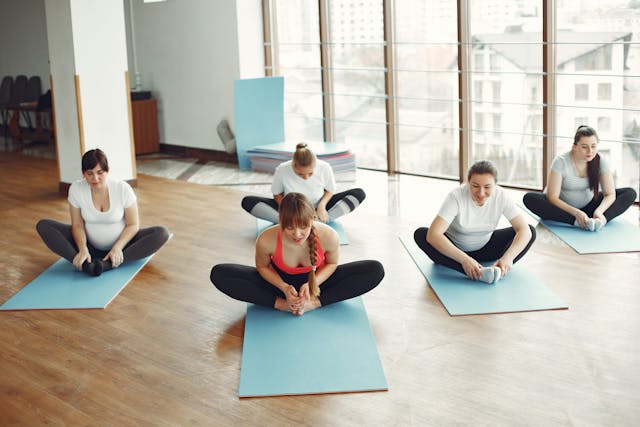
Even though prenatal yoga is generally safe, there are some movements and poses that are best avoided during pregnancy. Not because they’re “dangerous” in general, but because they don’t suit a body going through major changes. The idea isn’t fear it’s comfort and safety.
- Poses that put direct pressure on the belly: Any movement that places body weight on the belly or presses on it directly should be avoided. During pregnancy, the belly needs space and ease, not pressure.
- Lying flat on your back for long periods: In later stages of pregnancy, lying on your back can put pressure on important blood vessels, which may cause dizziness, shortness of breath, or discomfort. That’s why sitting or lying on your side is usually a better option.
- Deep or strong twists: Intense twisting or squeezing movements aren’t suitable during pregnancy. Hormones make the spine and joints more flexible, and deep twists can lead to strain or discomfort.
- Jumping or fast movements: Any sudden or fast movement can:
- Put stress on the joints
- Make balance harder
- Create a feeling of instability
- Prenatal yoga is about calm, not speed.
- Challenging balance poses without support: Balance naturally changes during pregnancy because your center of gravity shifts. Standing on one leg without support can increase the risk of losing balance. If you want to practice balance, keep a wall, chair, or support nearby.
Why avoid these poses?
Not to scare you, but to:
- Keep healthy blood flow
- Reduce unnecessary strain on your body
- Make movement feel safe and comfortable
Always remember: in yoga, what feels comfortable for you is the right choice. Any pose that makes you feel unsafe or pressured simply skip it.
Can You Do Prenatal Yoga at Home?
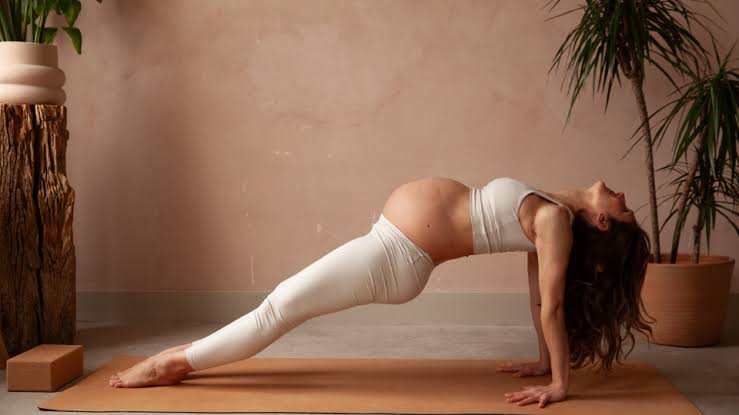
Yes, you can practice prenatal yoga at home, and many women actually prefer it because it’s more comfortable, more affordable, and lets you move at your own pace and at a time that suits you. That said, practicing yoga at home does require some awareness to stay safe.
Important things to keep in mind:
- Choose videos made specifically for pregnancy:
Make sure it clearly says prenatal yoga or yoga for pregnant women. General yoga videos may include movements that aren’t suitable for pregnancy, even if they look simple.
- Avoid regular yoga videos:
Traditional yoga often assumes a level of flexibility and balance that isn’t ideal during pregnancy, which can lead to strain or discomfort.
- Stop immediately if you feel dizzy or in pain:
Any feeling of discomfort is your body communicating with you. You’re not expected to finish the session.
- Keep sessions short at first:
10–15 minutes is more than enough, especially if it’s your first time.
If you’re new to yoga in general, or if you:
- Feel anxious
- Aren’t confident about the poses
- Have any concerns
Having a certified prenatal yoga instructor even online can feel much more reassuring. It helps you learn the basics correctly without stress.
In the end, practicing yoga at home can be a really beautiful experience. Just remember to always prioritize your safety and listen to your body above everything else.
Tips for Beginners
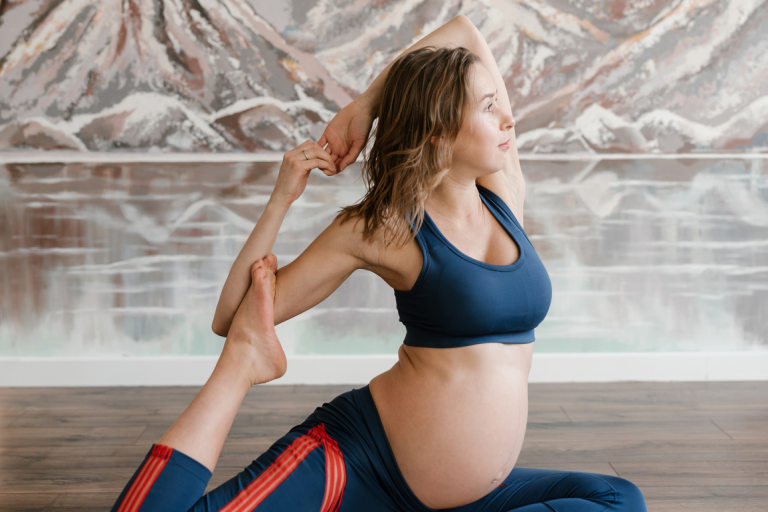
If this is your first experience with prenatal yoga, it’s completely normal to feel hesitant or to wonder, “Am I doing this right?”
The most important answer is: there’s no right or wrong the way you might think. Keep a few simple principles in mind, and the experience will stay safe and comfortable.
- Listen to your body first:
Your body is the real guide. If a movement doesn’t feel comfortable even if it looks easy skip it without hesitation.
- No pain is a basic rule:
Any pain or strong strain is not part of the practice. Prenatal yoga is built on comfort, not pushing through discomfort.
- Breathing matters more than the pose:
How a pose looks doesn’t matter. What matters is that you’re breathing calmly and feeling at ease.
- No comparison with anyone else:
Every pregnancy is different, and every body has its own rhythm. What works for someone else may not work for you and that’s completely normal.
- Today won’t always feel like yesterday:
Some days you’ll feel energetic, and other days you’ll feel heavy or tired. Both are okay and don’t need fixing.
Final Thoughts
Pregnancy isn’t a race, and it’s not a time for pressure or self-criticism. Prenatal yoga is a space for safety, calm, and connection between you, your body, and your baby. Take every movement at your own pace, every breath with ease, and always remember: the most important practice during pregnancy is being kind to yourself.
Read also: Pregnancy Workout Program: Your Complete Guide to Safe & Effective Prenatal Fitness
Frequently Asked Questions (FAQ)
You can start at any stage of pregnancy after your doctor’s approval, but the second trimester is usually the most comfortable time.
Prenatal yoga is a type of yoga designed specifically for pregnant women, with safe movements that focus on comfort and breathing.
Women who have bleeding, placenta issues, a risk of preterm labor, or uncontrolled blood pressure or gestational diabetes should consult their doctor before practicing.
The safe option during pregnancy is prenatal yoga only, because regular yoga isn’t suitable.
Physical Safety Disclaimer: The exercises presented here are intended for general guidance only. Engaging in physical activity may involve risks of injury if not performed correctly or if the exercises are not suited to your physical capabilities. Please consult a qualified fitness trainer or a medical professional to ensure these exercises are appropriate for your health condition. Stop exercising immediately if you experience pain or dizziness. Your participation in these exercises is at your own risk.