Safe Protein Powder While Pregnant: What Every Expecting Mom Needs to Know
The moment you find out you’re pregnant, suddenly everything feels like it’s under a microscope. Coffee? Cut back. Medications? Ask first. Food? Double-check it. And with all the extra focus on nutrition, one question keeps coming up: can I use safe protein powder while pregnant? It’s not a simple question, because protein during pregnancy isn’t some extra luxury. It’s essential. It helps build your baby’s cells, supports tissue growth, and even plays a role in increasing your blood volume. But the real issue isn’t “protein powder or no protein powder.” It’s about the type, the amount, and how you use it. Let’s take it step by step.
Why Does a Pregnant Woman Really Need More Protein?
In the second and third trimesters, your body’s need for protein increases noticeably, sometimes without you even realizing it. At first, things may feel normal. But as the baby grows and tissue development speeds up, your body starts asking for extra support. Protein isn’t just about building muscle like we’re used to thinking. It plays a role in forming your baby’s cells, supporting brain development, building those tiny muscles that are just starting to form, and even increasing your own blood volume.
The number that usually gets mentioned is somewhere between 70 to 100 grams per day. But that depends on your pre-pregnancy weight, your activity level, and your overall health. Some doctors even calculate it more precisely based on each individual case. Still, let’s be honest reaching that number isn’t always easy.
- Some pregnant women wake up already feeling like they can’t stand the idea of food.
- Some deal with morning sickness that lasts all day, not just in the morning.
- Some suddenly develop an aversion to meat or chicken, which are major sources of protein.
And some didn’t have the most balanced diet before pregnancy to begin with, so they start off already slightly deficient.
Sometimes appetite just feels unpredictable. One day you eat really well, and the next day you can barely manage a couple of bites.
At this point
quick solutions start to sound tempting. Someone tells you, “Just take a supplement.” You see an ad for the best protein while pregnant, presented as the perfect choice for every expecting mom. The marketing makes it seem so simple: one scoop in a glass of milk and everything’s fine.
But the truth? There’s no magic fix. A supplement can help, yes, but it’s not a replacement for understanding what your body actually needs. Not every pregnant woman needs the same amount, and not every body reacts to supplements the same way.
The goal isn’t to chase a number on paper. It’s to provide balanced, sufficient nutrition that supports both you and your baby without pressure or overdoing it. Protein truly matters, but what matters more is reaching it in a calm, thoughtful way, not out of anxiety or because of advertising.
Read also: Best Vegan Prenatal Vitamins: A Complete Guide for a Healthy Pregnancy
Is Every Protein Powder Considered Safe Protein Powder While Pregnant?
No.
And that short answer might be the most important line in this whole article.
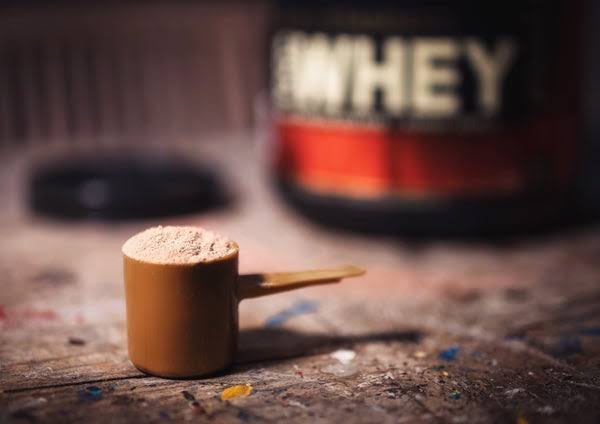
Protein itself, as a nutrient, is safe and necessary. There’s no debate about that. The issue isn’t the protein it’s the “package” it comes in. Commercial protein powders are sometimes loaded with additives that aren’t really needed during pregnancy, and some of them can cause discomfort or concern if taken regularly over time.
Some types contain large amounts of artificial sweeteners to make the taste better and easier to drink. The problem is that during pregnancy, the body can be more sensitive. Some women report bloating, headaches, or even blood sugar fluctuations because of these sweeteners.
There are also artificial flavors and added colors. They may not be dangerous on their own, but they’re still an extra burden on a body that’s already working at full capacity.
Stimulant herbs are a completely different issue.
Some products add “natural” ingredients to boost energy or support metabolism. The word natural sounds comforting, but not everything natural is pregnancy-safe. There are herbs that are better avoided entirely during these months, which makes reading the ingredient list a necessity, not a luxury.
As for heavy metal traces, this has come up in past reports about some lower-quality products, especially those that aren’t independently tested. The levels are usually small, but the idea of daily exposure during pregnancy honestly isn’t very reassuring.
That’s why choosing a safe protein powder while pregnant doesn’t mean grabbing the first container labeled “natural” or “organic” and calling it a day. Marketing always knows how to sound comforting, but the nutrition label is the only real truth in front of you.
One thing I’ve really noticed is that most pregnant women focus on the big number printed on the front: 25g! 30g! As if that’s the most important part. Meanwhile, the ingredient list written in smaller letters on the back is the part we should actually spend more time reading.
So What Is the Best Protein While Pregnant, Really?
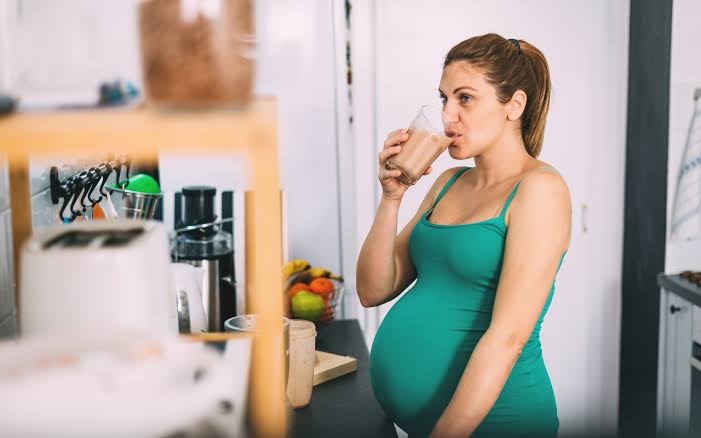
This question comes up a lot, like there’s one specific name I can just give you and that settles it. But the truth is both simpler and more complicated at the same time. There isn’t one single type that works for every pregnant woman. What suits you might not suit someone else, even if you’re due in the same month.
The idea of the Safe Protein Powder While Pregnant isn’t about a famous brand or a high price tag. It comes down to three things: how well your body tolerates it, how clean the ingredients are, and what your doctor thinks.
Whey Protein Isolate
If you don’t have a dairy allergy, this is often a very practical option. The isolate form usually contains less lactose and is easier to digest than concentrate, which matters because digestion naturally slows down a bit during pregnancy. Another plus is that it’s a complete protein, meaning it contains all the essential amino acids.
But pay attention to the ingredient list. Ideally, it should be simple: protein, maybe lecithin for mixing, and that’s it. The longer and more complicated the list gets, the more you should pause and ask why. And if you’ve had issues with bloating or mild dairy sensitivity before, try a small amount first and see how your body reacts. Pregnancy isn’t the time for unpleasant surprises.
Plant-Based Protein
This can be a great option if you’re vegetarian or if dairy products make you uncomfortable. Pea protein or a blend of pea and brown rice protein is pretty common. But here’s the sensitive part: quality.
Some reports have shown that certain plant-based protein powders may contain traces of heavy metals if the raw materials aren’t sourced well or if the product isn’t independently tested. Not all of them, of course, but it’s important to choose a trusted and tested brand.
Also, try to pick a blend that combines more than one plant source to ensure a better amino acid balance. A single plant protein can sometimes lack a specific amino acid, but combining sources usually solves that issue.
Stay Away from “Enhanced” Formulas
Any product labeled as:
- fat burner
- metabolism booster
- energy blend
- thermogenic
should be completely avoided during pregnancy. Your body doesn’t need extra metabolic stimulation or fat burning right now. It’s already in a different physiological state, and stimulant ingredients aren’t welcome even if they’re described as natural.
At the end of the day, the best protein while pregnant is the one that:
- has simple, clear ingredients
- is independently quality-tested
- feels gentle on your stomach
- and is approved by your doctor
It’s not the one with the highest protein number. Not the most popular on Instagram. Not the most expensive at the pharmacy. It all comes down to one question: does this product actually support your real needs? If the answer is yes, then it’s probably the best choice for you it’s not the best choice for someone else.
Read also: Pregnancy Meal Plan: The Best Nutrition Guide to Support a Healthy Mom and Baby
When Do You Actually Need a Protein Supplement?
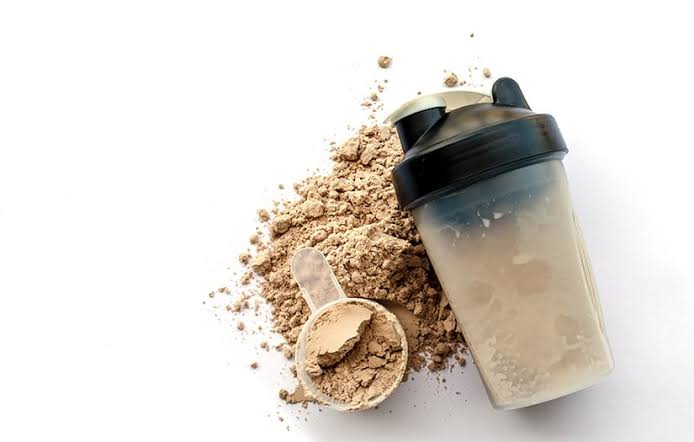
Let me say it honestly: not every pregnant woman needs to buy a tub of protein powder and place it in the kitchen next to the oats. If you can meet your daily protein needs through regular food, that’s usually the best and simplest option.
- An egg or two for breakfast,
- a cup of Greek yogurt as a snack,
- a plate of lentils or chickpeas,
- a well-cooked piece of chicken,
- a handful of nuts in moderation
That way, you can reach your daily needs without feeling like you’re “chasing a number.” Whole foods always win an extra point because they come with vitamins, minerals, and fiber not just protein.
But life isn’t always perfect. Some days are genuinely hard. A strong loss of appetite can make the idea of eating itself uncomfortable. Frequent nausea or vomiting can turn any full meal into a risk. Difficulty chewing or swallowing, especially with heartburn or constant fatigue, can make things harder. And sometimes there’s a direct medical recommendation to increase protein intake like in cases of low weight gain, twin pregnancy, or other specific needs.
In situations like these, using a safe protein powder while pregnant can be a practical and convenient option. Not because it’s “better” than food, but because it’s sometimes easier. A simple shake that you can sip slowly might feel much more manageable than a full plate you can’t finish.
A Very Important Point Before Buying
Before you hit “Add to Cart,” there are a few things you should calmly go over. Not to scare you just to make sure your decision is informed.
- First: the ingredient list.
Seriously, take a minute and read it. If you find yourself scrolling through long lines of complicated words or unfamiliar additives, ask yourself: do I really need all of this?
- Second: the type of sweetener.
Some products rely heavily on artificial sweeteners to improve the taste. During pregnancy, your body tends to be more sensitive, and your blood sugar needs stability. It’s something worth paying attention to.
- Third: independent testing.
If the company clearly states that the product is third-party tested, that adds an extra layer of reassurance especially when it comes to heavy metals or contaminants. These details really matter.
In our previous article, How to Choose a Pregnancy Safe Protein Powder Without Risks, we went into detail about how to choose a pregnancy-safe protein supplement. We explained step by step how to read the nutrition label and avoid concerning ingredients.
If you’d like to go deeper into the evaluation process, you can go back to that detailed guide you’ll find more precise selection criteria beyond just the brand name or online reviews.
Common Mistakes You Should Avoid
Let me speak honestly for a moment. There are some mistakes that happen often and usually with good intentions. It’s not negligence, just rushing or relying on incomplete information.
The first mistake I’ve seen more than once:
drinking a protein shake two or three times a day without calculating the total protein intake for the whole day.
You might be getting 25 grams each time, and with regular meals, you could easily reach 120 or even 130 grams without realizing it. That number isn’t always appropriate, especially if your body doesn’t actually need it. Consistently going overboard can put extra strain on the kidneys, particularly if you’re not drinking enough water.
The second mistake: replacing full meals with shakes.
Some pregnant women say, “It’s easier for me to drink than to eat.” And that’s understandable, especially with fatigue. But whole meals contain fiber, healthy fats, vitamins, and minerals not just protein. A shake can help, but it’s not meant to permanently replace real food.
The third one and this happens a lot choosing flavors
like chocolate fudge or caramel cookies that are loaded with sugar just because they taste better. Too much sugar during pregnancy isn’t ideal, especially if there’s a risk of gestational diabetes. Sometimes you check the label and find 8 or 10 grams of sugar per serving and that’s before counting the rest of your daily intake.
There’s also a small mistake that seems harmless but is actually important:
During pregnancy, your body is highly sensitive and constantly changing. Any uncalculated excess with good intentions can lead to blood sugar fluctuations, uncomfortable bloating, or unnecessary strain on the kidneys if it continues over time.
The goal isn’t to fear supplements. It’s to use them mindfully, in moderation, and with awareness. Because at this stage, balance matters more than anything else.
The Right Amount of Protein During Pregnancy
This question really matters, because a lot of people assume that if protein is good, then more must be better. But during pregnancy, it doesn’t really work that way.
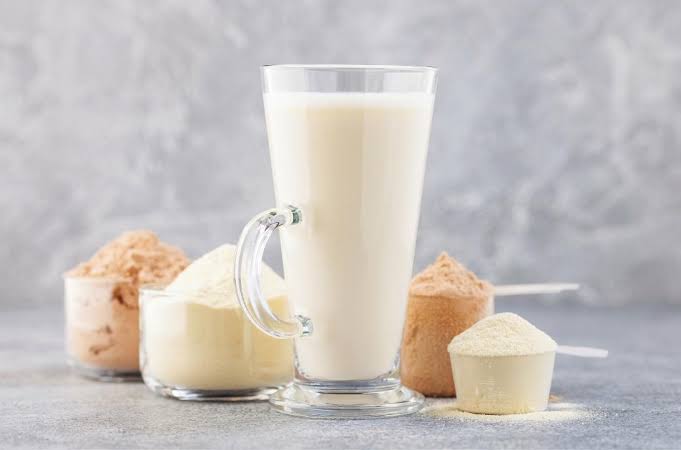
In most cases, around 20–25 grams of protein from a supplement per day is enough if there’s an actual need for it. That usually means one scoop, not two, unless your doctor advises otherwise. This amount is meant to complement your meals, not replace them.
And you don’t have to take it daily if your diet is already balanced. Some days your meals are varied and rich enough, and you may not need any powder at all. Other days your appetite is low, or your schedule is packed and you don’t get the chance to eat properly that’s when a supplement can be a helpful tool.
What really matters is looking at the full picture:
- How much protein are you already getting from food?
- What was your pre-pregnancy weight?
- Has your doctor recommended an increase for a specific reason?
Some women reach their daily needs easily without even trying. Others need a little extra support. It’s not about who’s doing it “better.” It’s about what your body actually needs.
The goal isn’t to hit the highest number you’ve seen in an article, and it’s definitely not to finish the tub as fast as possible. The goal is to reach the amount that’s right for you not so little that you fall short, and not so much that it puts unnecessary strain on your body.
Conclusion
Choosing a safe protein powder while pregnant isn’t a random decision. And the idea of the best protein while pregnant isn’t about a brand name it’s about understanding your needs, your health condition, and what’s actually inside the product. Pregnancy isn’t the time for random experiments. It’s a time for calm, thoughtful choices. If you need a supplement, choose it wisely. And if you can meet your needs through real food, that’s always the better option. At the end of the day, your body is building a life. The least you deserve is for every nutrition decision to feel informed and reassuring.
Read also: Foods to Avoid During Pregnancy: What You Must Skip for a Safe Pregnancy
Frequently Asked Questions
Yes, you can drink protein shakes during pregnancy but with conditions.
The real question isn’t just “Is it allowed?” it’s “Is it suitable for my situation?”
If the shake is made from a safe protein powder while pregnant meaning the ingredients are clean, free from concerning additives, and the product is quality-tested and you don’t have any medical restrictions, then using it in moderation is generally considered safe.
What matters is that you:
don’t rely on it as a full meal replacement
calculate your total daily protein intake
talk to your doctor, especially if you have gestational diabetes or kidney issues
Some pregnant women use it as a practical solution during days of nausea or low appetite, and that makes sense. But ideally, it should be a supplement not the foundation of your diet.
The most accurate answer is: sometimes yes, sometimes no depending on the type and the amount.
Protein shakes themselves aren’t dangerous by nature. Safety depends on:
the type of protein used
the added ingredients (sugar, artificial sweeteners, herbs)
the quality and sourcing of the product
your individual health condition
If you choose the best protein while pregnant based on clear criteria simple ingredients, independent testing, and moderate dosage it’s usually a safe option to support your daily needs.
But if the product is full of unnecessary additives, or it’s consumed in excessive amounts, it could lead to blood sugar fluctuations or put extra strain on your body.
Medical Disclaimer: Since nutritional needs vary from person to person based on health status, age, and medical history, we strongly recommend consulting your physician or a certified nutritionist before starting any new diet or changing your eating habits, especially if you have chronic conditions or are taking specific medications. Accordingly, the nutritional information provided in this article is for educational and informational purposes only and should not be considered medical advice or a formal diagnosis.