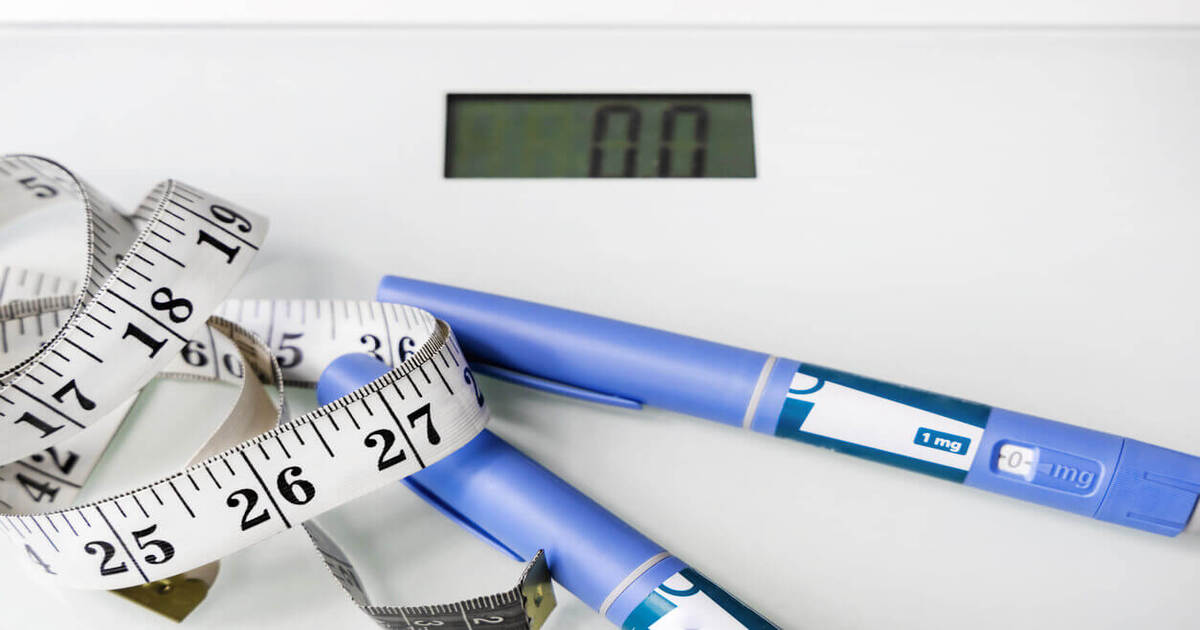
Lose Weight in a Month: A Healthy One-Month Experience
The idea of lose weight in a month is very tempting. One month feels short, close, and doable like a challenge you can actually finish. But the truth is, most people enter that month with a “I have to succeed fast” mindset, and that’s exactly why they fail.
The real difference isn’t between people who have willpower and those who don’t. It’s the difference between a harsh diet and a healthy one-month experience. A quick diet puts pressure on you, deprives you, and makes you count the days until it’s over. A healthy experience, on the other hand, helps you live the month, understand your body, and come out of it lighter not just in weight, but in the way you think too.
Is it really possible to lose weight in a month in a healthy way?

The short answer: yes, Lose weight in a month it’s possible.
The honest answer: not in the way most people imagine.
A month isn’t a miracle window, and it’s not enough time for your body to suddenly “transform.” But it is more than enough time for your body to start getting back on track. In a healthy first month, what happens isn’t always fast or obvious weight loss.
Your body starts to:
- burn fat in a calmer, more consistent way instead of random crash burning
- release excess water that was making you feel heavy and bloated
- calm those sudden hunger attacks that seemed to come out of nowhere
- relearn the difference between real hunger and actual fullness and that’s a big deal
The problem is that most people enter this month completely attached to the scale. Weighing themselves every day. Watching the number. And if it doesn’t go down? Instant frustration. But the scale was never the whole story. The scale sees a number. Your body is dealing with much deeper things:
- fat being burned
- muscles trying to protect themselves
- stored water being released
- hormones adjusting hunger and fullness signals
That’s why someone might not lose a huge number on the scale, yet their clothes feel looser, their belly feels calmer, their movement and breathing improve, and their energy goes up. not failure. That’s your body working the way it should.
So if after a month the number moved slowly, but you feel better, your hunger makes sense, and your eating feels calmer that’s real success. The kind of success that lasts, not the kind that gets stolen and comes back later.
Read also: A Smart Postpartum Weight Loss Plan Without Harsh Diets
What Does a Healthy One-Month Experience Really Mean?
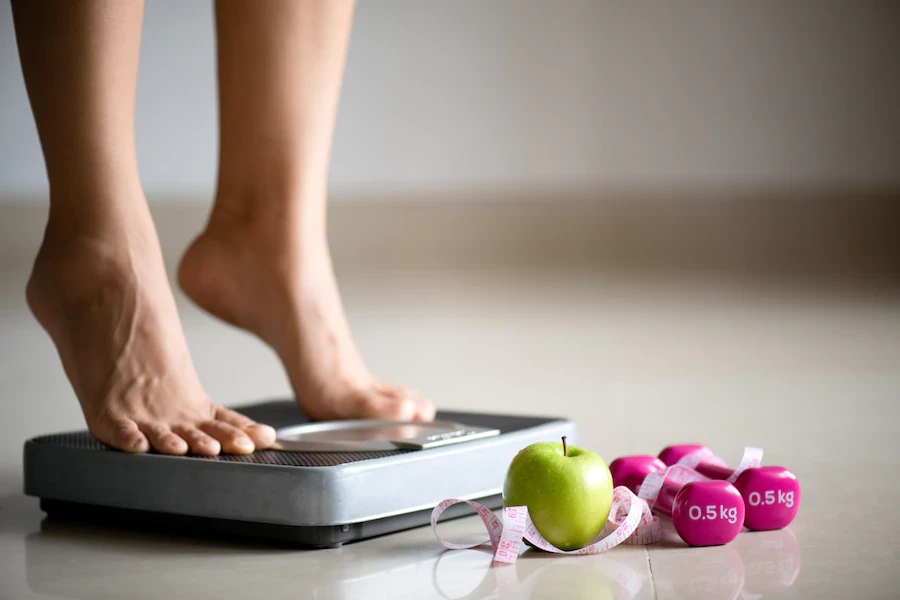
A healthy one-month experience isn’t a perfect program or a strict plan you have to follow step by step. It’s more like a calm space where you give your body a break after a long period of fighting with diets. The idea isn’t to change your whole life overnight, but to slow things down and start listening to your body instead of pushing it.
When it comes to food, a healthy experience isn’t built on deprivation or the word “forbidden.”
It’s about calmer choices and simpler decisions that let you eat without stress. Food should actually satisfy you, digest easily, and not leave you feeling guilty afterward. You’re not required to eat perfectly or count every bite you just need to stop seeing food as an enemy and start treating it as the energy your body needs.
As for movement
it’s not about going to the gym every day or doing intense workouts that make you hate the whole month.
Movement here means going back to being a normal human who moves during the day. Simple walking, taking the stairs, light stretching, or moving around at home anything that loosens your body and reminds it that it was made to move, not sit all day. The goal isn’t to burn maximum calories; the goal is to keep your body awake and active.
Sleep is something many people overlook
even though it’s essential in any lose weight in a month experience. Without enough sleep, hunger increases, appetite signals get messy, and the body holds onto fat even if your food is good. Sleep isn’t laziness or a luxury it’s real reset time for both your body and mind. Sometimes improving sleep makes a bigger difference than any workout.
The healthy mindset and this is the most important part of the whole experience.
It means stopping the punishment after every mistake, letting go of self-blame, and dropping the idea that you “always fail.” Instead, you start listening to your body, noticing its signals, understanding your real hunger, and giving yourself space to mess up and learn. A healthy month isn’t a pass-or-fail test it’s an experience. And if you come out of it with a calmer relationship with yourself and your body, that alone is a huge win.
A Realistic Nutrition Approach for One Month
Let’s keep it simple. Nutrition in a healthy month doesn’t need schedules, scales, or scary rules. It needs a bit of awareness and a bit of calm. Think rules, not charts. Every time you feel hungry, pause for a second and ask yourself:
- Is this real hunger?
- Or boredom?
- Or stress?
- Or just habit?
That question alone can change your choice, without feeling like you’re stopping yourself. Try to include some protein in every meal, even a small amount. Not for dieting for fullness.
Protein helps you stay full longer, reduces mindless snacking, and makes the day feel more balanced.
- Vegetables aren’t the enemy
but you don’t have to live on them either. They’re important, yes, but overdoing them can make food boring and sometimes leaves your body craving something else later.
- Drink water
but without obsession. Not every tired feeling needs a bottle. Listen to your thirst and spread water through the day in a relaxed way.
Example of a Balanced Day
This is just a general framework you can adjust based on your taste and your day, without feeling trapped.
- Breakfast
A meal that fills you up and feels good, like:
Eggs + local bread + vegetables
or
Yogurt + fruit + a few nuts
or
Fava beans with olive oil + a small piece of bread
If you finish breakfast feeling full and comfortable, that’s perfect.
- Snack (if needed)
Not mandatory. Only if you’re truly hungry:
A piece of fruit
or
A handful of nuts
or
Yogurt
- Lunch
Normal home-style food:
Protein (chicken / fish / meat / legumes)
Carbs in a calmer portion (rice / pasta / potatoes)
Vegetables
No need to deprive yourself. Just eat mindfully and avoid automatic seconds.
- Light snack (optional)
If the day is long:
A piece of fruit
or
A small piece of chocolate
Without guilt.
- Dinner
Light and easy on the body:
Eggs or yogurt
or
A light sandwich
or
A bowl of soup
Something that helps you sleep comfortably.
This is a simple day not perfect, but realistic. A day like this helps you feel satisfied, calmer, and able to lose weight in a month without starving, without feeling like you’re just waiting for the day to end.
Common Mistakes
- Cutting food suddenly and calling it “commitment.”
- Relying on “diet” snacks and skipping real meals, staying hungry and tense.
- Counting every bite and turning food into a mental battle.
Healthy eating isn’t a fight. It’s not a test of strength. It’s understanding. And when that understanding happens, your body starts to cooperate.
Read also: Best Foods for Weight Loss: The Top Foods That Keep You Full and Boost Fat Burning
Simple Movement Plan (No Extreme Workouts)

If you hate exercise, here’s the good news: you don’t have to love it. You don’t need to be athletic, and you’re not required to follow a routine that makes you hate your entire day. The idea here isn’t exercise it’s movement.
Daily walking, even just 20 or 30 minutes. It doesn’t have to be fast, and it doesn’t need step counting. Just walk and let your body loosen up a bit. Light movement at home matters too. Get up, change positions, move your hands and legs instead of sitting for long hours. These small movements make a bigger difference than you’d expect.
Simple stretching helps easing your back, loosening joints, breathing more calmly. Not to burn calories, but to feel better. Any activity that makes you move more than yesterday counts. Even if the difference is small. Even if it’s not tracked. Your body feels movement, even when your mind isn’t paying attention.
In a lose weight in a month experience, consistency matters more than intensity. Moving a little every day is far more powerful than doing intense workouts for two days and quitting after. Movement here isn’t punishment it’s support. And when it feels supportive, your body responds without resistance.
What Changes to Expect Week by Week

Change in a healthy month doesn’t happen all at once, and it doesn’t look the same for everyone. Some things show up early, others take time. Knowing what might happen week by week helps you relax mentally, stop rushing results, and avoid reading every feeling as failure. Each week has its own nature, and each stage plays a role in the experience.
Week 1
The first week is usually the strangest. Less bloating makes you feel a bit lighter, but hunger can feel confusing. One moment you feel hungry, the next you feel like you don’t need food at all. That “unstable” feeling is completely normal. Your body is adjusting its rhythm, and your mind is still used to old habits. What matters is not seeing this as failure. This is just the beginning.
Week 2
In the second week, your body starts to adapt. Hunger becomes clearer, and fullness comes a bit faster. There’s less push and pull throughout the day. Energy feels calmer not necessarily much higher, but the day doesn’t feel as heavy as before. And that alone is relieving.
Week 3
This is often the first week where you notice a small difference. Not a shocking one, but enough to look in the mirror and feel something has changed. Confidence rises quietly not ego, just a sense that you’re on the right path. Habits start forming without effort, and you catch yourself making better choices automatically.
Week 4
The last week isn’t about pressure. It’s about calm. More awareness of your body, a better understanding of your hunger and fullness, and a clear feeling that you don’t want to go back to how things were before. Not because you’re forcing yourself but because you feel better. And that’s the most important change a healthy month can bring.
Common Mistakes That Prevent You from Losing Weight in a Month

The biggest thing that blocks any lose weight in a month attempt isn’t food or movement it’s mindset. The first mistake is expecting fast results. Waiting for the number to drop in the first week or for your body to suddenly change. That kind of expectation creates pressure, and pressure kills consistency.
- Comparison is another common trap. You see someone else losing weight faster or changing more, and you forget that every body has its own circumstances, history, and way of responding.
- Another big mistake is turning one off day into total frustration. An extra meal, a lazy day, or a bad mood. That day isn’t the end of the journey it’s just a day.
- Being harsh with yourself ruins the whole experience. The negative self-talk, the blame, the self-criticism. The body doesn’t respond to pressure; it responds to safety.
- And finally, the “all or nothing” mindset. Either full commitment or complete quitting. That kind of thinking is exhausting and makes any small slip a reason to stop altogether.
Always remember: this journey isn’t a pass-or-fail test. It’s an experience. One you’re meant to learn from, not punish yourself through.
Can the Results Last After the Month Ends?
Yes, the results can continue after the month is over but only if the month itself wasn’t built on restriction or pressure. When the experience is harsh, the body almost always rebounds later, like the whole month was just a temporary phase that had to end. But when the month passes calmly, without feeling like you’re “waiting for it to be over,” the results are much easier to maintain.
Consistency comes from understanding your body, not controlling it. From knowing when hunger is real and when it’s just habit, and when your body needs movement or rest not food. That understanding is what helps you keep going without needing a new plan every few weeks.
Maintaining results is also strongly tied to how you define success. If all your sense of success is built around the number on the scale, any small change can mess with you mentally. But if you focus on feeling satisfied, comfortable, and improving your relationship with food and movement, the results can stay even if the number shifts a little.
This month isn’t meant to be the finish line. It’s a learning phase. It teaches you how to live more calmly and how to continue without pressure not how to stop and restart over and over again. And if you come out of it with even one habit you can maintain, then the month has done its real job.
Conclusion
Lose weight in a month doesn’t mean changing your life forever in 30 days. It means starting to see yourself and your body in a calmer, kinder way. This month isn’t an ending, not a race, and not a punishment. It’s the beginning of awareness. The beginning of respect. And if you come out of it feeling a little lighter and a little gentler with yourself then you’ve gained far more than just weight loss.
Read also:
Frequently Asked Questions
It’s possible for some people, but it often includes water weight. It’s not realistic or healthy for everyone.
Most people lose around 2–4 kg in a healthy way, though body changes can happen even if the scale moves less.
Usually through extreme methods that aren’t healthy and don’t last.
With balanced meals, light daily movement, good sleep, and low stress without starving.
Medical Disclaimer: Since nutritional needs vary from person to person based on health status, age, and medical history, we strongly recommend consulting your physician or a certified nutritionist before starting any new diet or changing your eating habits, especially if you have chronic conditions or are taking specific medications. Accordingly, the nutritional information provided in this article is for educational and informational purposes only and should not be considered medical advice or a formal diagnosis.