How to Choose a Pregnancy Safe Protein Powder Without Risks
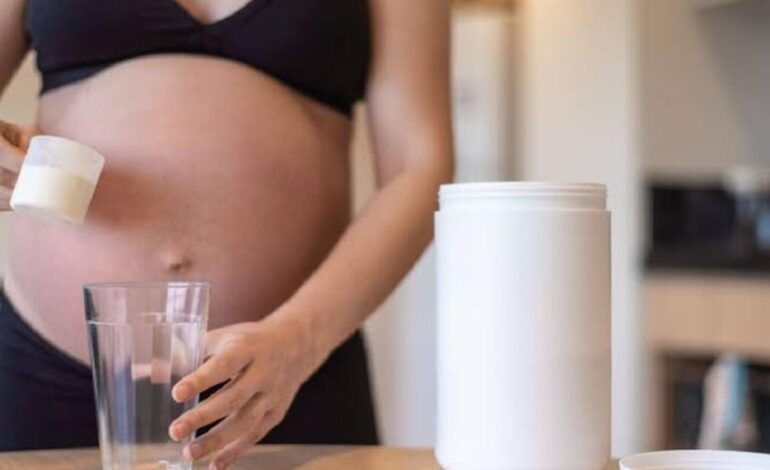
Pregnancy already comes with enough worries and questions. The last thing you need is standing in front of a shelf full of supplements, feeling like every box is saying “I’m the best,” while you’re not really sure which one to trust. Choosing a pregnancy safe protein powder is a sensitive topic not because protein powder is bad on its own, but because the wrong choice can cause problems, while the right one can actually support your body during a phase that’s already physically and mentally exhausting.
Do Pregnant Women Really Need a Pregnancy Protein Powder?
This question comes up a lot, and honestly, that’s completely normal. Anything related to food during pregnancy makes you stop and think twice. So what’s the honest answer?
Not always but sometimes, yes.
If your diet is balanced and you’re able to get enough protein from natural sources like:
- eggs
- meat or chicken
- legumes
- yogurt and milk
and your body is handling food well, with no severe nausea or constant loss of appetite, then you probably don’t need any supplements. Your body naturally knows how to take what it needs when food is available and varied, and that’s always the first and safest option.
But let’s be a bit realistic. Pregnancy isn’t a textbook situation, and not every day goes smoothly. Many women deal with:
- ongoing nausea
- very low appetite most of the day
- strong food smells that make them feel sick
- or difficulty finishing full meals
- In other cases, there might be weight loss or general weakness.
In situations like these, eating “perfectly” becomes hard, and sometimes mentally exhausting before it’s even physical. This is where a pregnancy safe protein powder can be a practical support not a replacement for food, and not something everyone must use. One scoop a day can help cover part of your needs and ease the pressure on your body, without making you feel like you’re failing or forcing yourself to eat. The idea isn’t to depend on it, but to use it wisely, only when it’s actually needed.
Read also: Pregnancy Workout Program: Your Complete Guide to Safe & Effective Prenatal Fitness
The Problem Isn’t the Protein It’s What’s Inside It
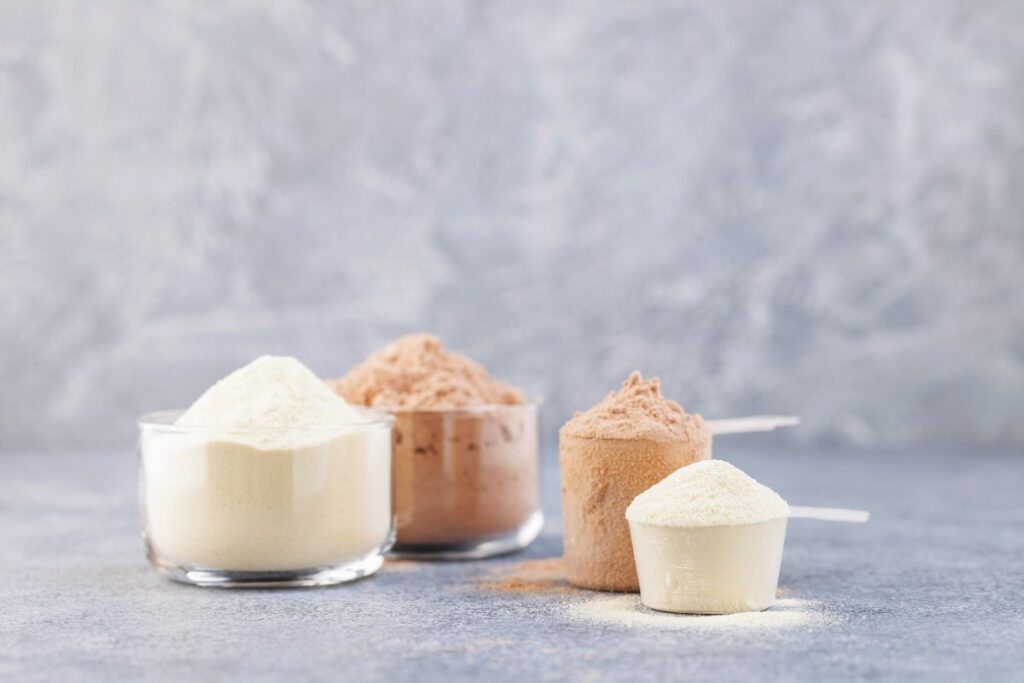
This is actually the most important point, and a lot of people overlook it. Most of the concern around pregnancy protein powder isn’t about the protein itself, but about what’s added to it. Not every product is safe just because it says “Natural” or “For Women” on the front. These words sound comforting, but they don’t guarantee anything. What really matters is the ingredient list written in small letters on the back of the container. If you read it calmly, it tells you everything.
The type of protein itself
Let’s start with the basics. The kind of protein used makes a big difference in how safe it is and how easy it is to digest during pregnancy. Usually, the better options are:
- Whey protein isolate
A good choice if you don’t have lactose sensitivity. It’s cleaner and easier to digest than other types, and often has fewer fats and additives.
Plant-based protein Like pea protein or rice protein. This works well for women with sensitive stomachs or those who don’t do well with dairy. What matters here is that the source is clearly mentioned and not vague.
On the other hand, it’s better to stay away from:
- vague protein blends
mixes that contain 6 or 7 types of protein with no clear explanation of each one
The simpler and clearer the source is, the safer it usually is for your body especially during a time when your body is already working overtime.
Read the ingredient list slowly
You know that feeling you grab the container, flip it quickly, see a couple of reassuring words, and decide to buy it. During pregnancy? This is not the time to rush. The ingredient list is where you need to pause for a moment. Any pregnancy safe protein powder that contains the following deserves a big question mark:
- artificial sweeteners like aspartame or sucralose
unclear herbal blends (the word “herbal” alone is worrying you don’t know which herbs or how they affect you)
- caffeine
- stimulants
- weight-loss or fat-burning herbs
A very simple rule to remember: If you don’t understand the ingredient, or can’t even pronounce its name, you probably don’t need it right now. And you don’t have to try everything new especially during a sensitive phase like pregnancy.
Sugar: not too much, not zero
Sugar is always confusing. Some products are loaded with sugar and taste more like candy, while others have no sugar at all and end up tasting chemical and unpleasant. Neither option is ideal. What’s usually best is:
- a small amount of natural sugar
- or a product without artificial sweeteners
- It doesn’t have to taste overly sweet to be useful.
In many cases, a mild, simple taste is easier on the stomach and gentler on the body especially if you’re dealing with nausea or sensitivity to smells.
Read also: Pregnancy Meal Plan: The Best Nutrition Guide to Support a Healthy Mom and Baby
Is Everything Plant-Based Automatically Safe?
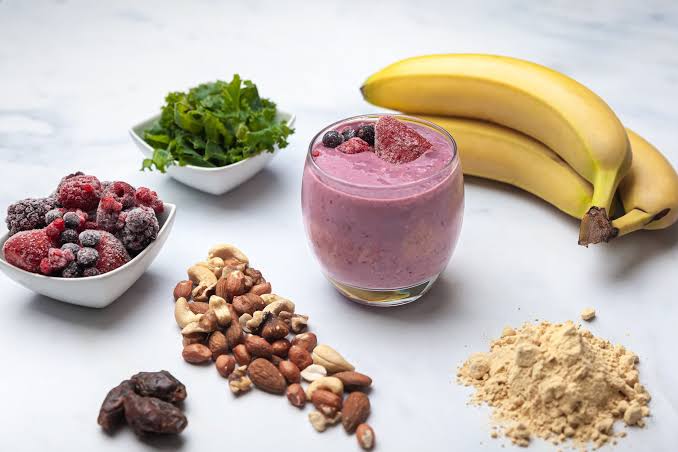
Short answer: not necessarily. This is something many people assume without really thinking about it, just because the word plant-based has become associated with being “safe” or “healthy.” The truth is, some plant-based options are actually great clean, easy to digest, and gentle on the body. But others are pretty bad, full of additives, and not suitable at all during pregnancy.
That’s why, when you’re considering a plant-based pregnancy protein powder, there are a few things you really need to pay attention to:
- Actual protein content
Some products look good on the outside, but the protein amount is low, and the rest is just carbs or unnecessary fillers. The goal is to support your body, not just drink something that tastes nice.
- Heavy metals
Plant-based proteins can sometimes be affected by the soil they’re grown in, which may lead to traces of heavy metals. This is why quality testing and lab analysis are very important if people don’t talk about it much.
- Quality certifications and testing
A product that clearly mentions lab testing or quality certifications is usually much safer than one with an unknown source, even if it costs a bit more.
On the other hand, plant-based pregnancy protein powder can be a very good option if:
- you have digestion issues during pregnancy
- dairy products don’t sit well with you
- you feel heavy or bloated with animal-based protein
In the end, the decision isn’t really about plant-based versus animal-based. It’s about what your body can handle and what feels comfortable for you during this phase. Sometimes, comfort matters a lot more than sticking to a certain type just because it’s “supposed” to be better.
More Protein Isn’t Always Better
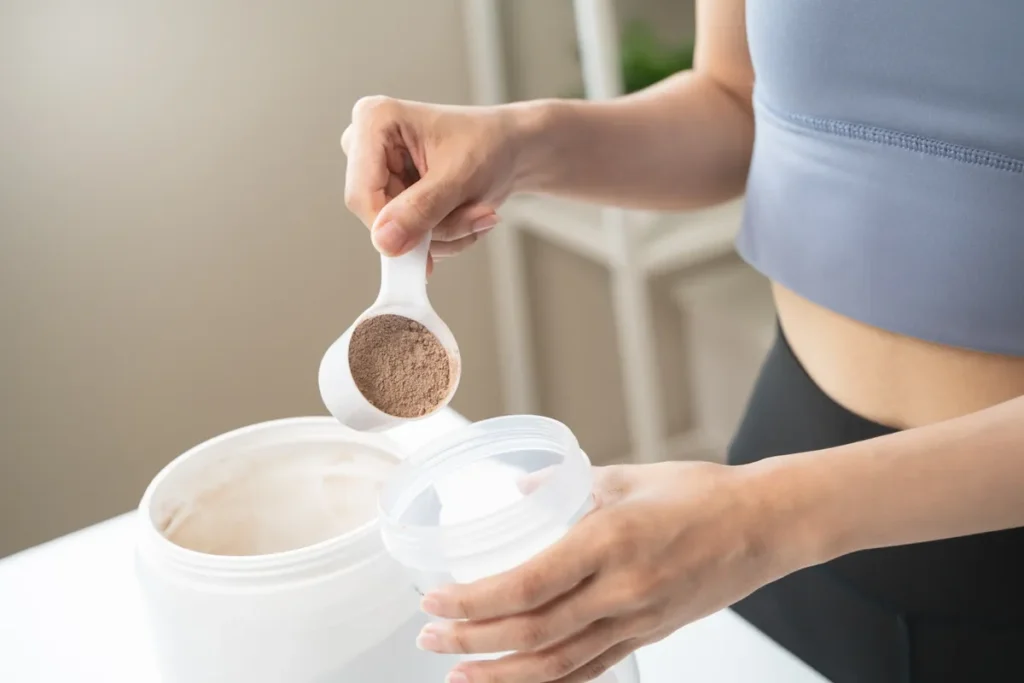
This is one of the most common mistakes people make, especially with the rise of supplement culture. A lot of the time, we fall into the trap of thinking “more is better,” but that’s not always true especially during pregnancy. Pregnancy isn’t the time for protein loading or pushing your body to its limits. Your body is already working nonstop and putting in a huge effort, even if you don’t always feel it.
The daily protein needs for a pregnant woman are usually around 60 to 75 grams per day. This is just an approximate range and can change depending on:
- your weight
- your activity level
- your doctor’s advice based on your situation
The issue is that some women treat pregnancy protein powder as something they should keep increasing day after day. That can easily backfire and cause the opposite effect: heaviness, bloating, fatigue, or digestive discomfort.
In most cases, one scoop a day is more than enough. Not two. Not three. And not even every single day if your body doesn’t need it. The goal isn’t to “hit a number.” The goal is to give your body a bit of support that helps it get through the day more comfortably. If you start feeling tired or uncomfortable, that’s not weakness it’s your body saying, “That’s enough.” Listen to it and adjust calmly.
Real-life experiences (from what I’ve personally seen)
Let me be honest here. Talking about pregnancy safe protein powder isn’t theoretical at all, because its effect clearly differs from one body to another.
I’ve seen women who:
- felt more comfortable during the day
- noticed a small boost in energy
- had less nausea
- slowly got their appetite back
For them, protein was just a light support that helped them get through a tough phase without pressure or forcing themselves to eat.
On the other hand, I’ve seen other women who:
- experienced bloating
- felt heavy and uncomfortable
- got tired after using it
- or felt that their body simply didn’t accept it
And that’s completely normal. It doesn’t mean something is wrong, and it doesn’t mean the product is “bad.” Your body isn’t a copy of someone else’s, and you can’t expect the same results just because it worked for someone else.
That’s why any pregnancy safe protein powder should be:
- tried slowly
- started in small amounts
- and not judged too quickly
And if you have a history of allergies, digestive issues, or any special health condition, talking to your doctor isn’t just a formality it’s a safety step for you and your baby. During pregnancy, comfort matters more than any supplement, and anything that doesn’t feel right for your body if it looks “good” on paper might simply not be right for you.
When Should You Stop Immediately?
During pregnancy, there’s one simple rule you should always keep in mind:
No supplement is worth pushing your body for.
If, while using any pregnancy safe protein powder, you experience one or more of the following:
- strong cramps or unusual pain
- ongoing vomiting, not just normal nausea
- skin rashes or sudden itching
- severe headaches or a strange feeling you’re not used to
Stop right away. No hesitation. And don’t try to “keep going for a couple more days and see what happens.” A supplement is not a treatment, and it’s definitely not essential enough to risk your comfort or health.
Your body sends very clear signals during this time, and any uncomfortable symptom is its way of saying, “This isn’t right for me right now.” Stopping doesn’t mean failure, overreacting, or weakness. It’s a conscious and responsible choice.
And if needed, going back to your doctor is always much better than ignoring what you’re feeling or pushing yourself beyond your limits.
How to Choose the Best Pregnancy Safe Protein Powder

Instead of pulling you into a spiral of product names and comparisons who’s better than who let me focus on what actually matters. In the end, your body doesn’t “drink” the brand name; it responds to the ingredients. That’s what really makes the difference.
If you’re thinking about adding a pregnancy protein powder to your diet, you’ll usually feel more comfortable with products that fall into one of these categories:
Whey Protein Isolate
This is a good option for many women, especially if you don’t have a dairy sensitivity. It’s relatively light on the stomach, high in protein, and usually free from extra fats and sugars. Most isolate forms are cleaner and easier to digest, which matters a lot during a time when digestion is already more sensitive.
Simple plant-based protein (single source)
Like pea protein or rice protein. This type is often easier if your digestion is sensitive during pregnancy, or if dairy doesn’t sit well with you. What’s important here is that the protein comes from one clear source, not a complicated blend of multiple types. Simpler formulas usually mean less irritation and better tolerance.
Short, clear ingredient lists
A container you can read and understand without stopping at every word is much better than one packed with long, confusing terms. During pregnancy, simplicity equals safety. Five or six clear ingredients are far better than twenty ingredients with unclear roles.
No artificial sweeteners or herbal blends
Even if the taste is slightly less sweet, it’s gentler on your body and safer in the long run. Artificial sweeteners and unknown herbs can cause irritation or discomfort, especially if you’re dealing with nausea or a sensitive stomach. A “milder” taste is often the smarter choice.
In all cases, no matter how reassuring a product looks, it’s best to review it with your doctor especially if you have:
- gestational diabetes
- high blood pressure
- digestive issues
- or any condition that needs medical monitoring
The goal isn’t to choose “the best product on the market.” The goal is to choose what’s best for you during this stage and that makes a big difference.
Do You Really Need a Pregnancy Protein Powder, or Can Food Be Enough?
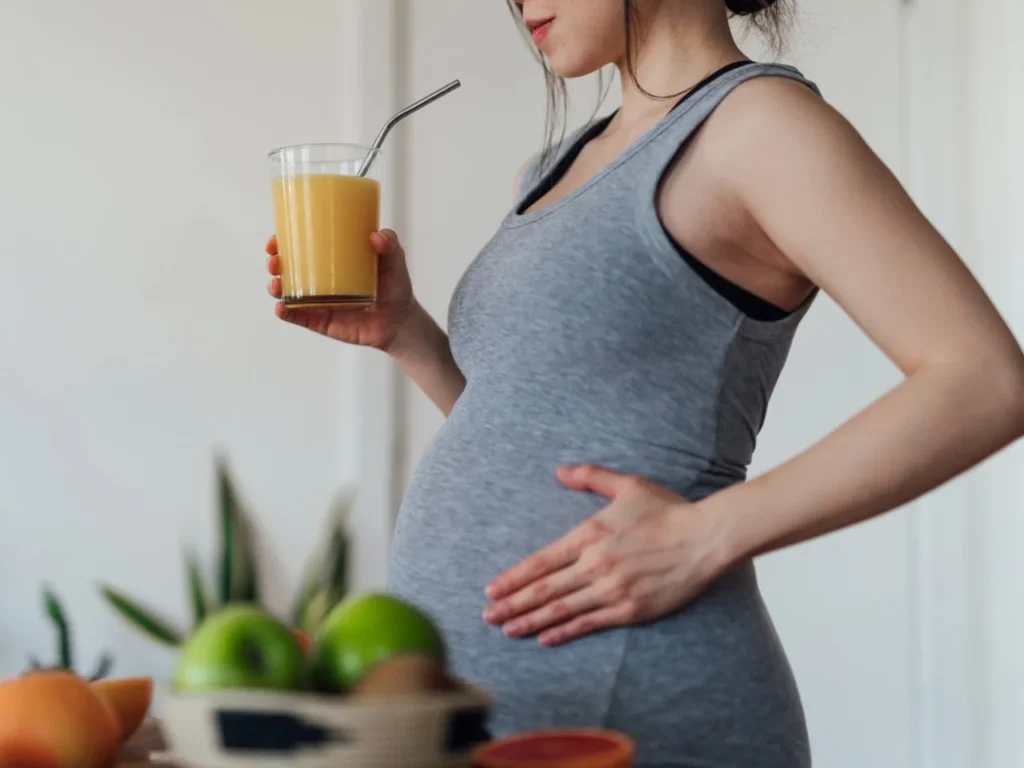
Not every pregnant woman needs a pregnancy protein powder, and that’s completely normal. More importantly, not every body responds to it in the same way. During pregnancy, there’s no one-size-fits-all solution and that’s something we should be okay with.
If your day is going smoothly and you’re able to eat real, varied foods like:
- eggs
- meat or chicken
- legumes
- yogurt or milk
and your body is handling food well, without severe nausea or ongoing loss of appetite, then natural protein is usually more than enough. In this case, a supplement isn’t really necessary and won’t make a bigger difference than food itself.
But let’s be honest about something important: there are days and this is a reality we don’t need to sugarcoat when eating itself feels exhausting. Your appetite is low, food smells bother you, or you throw up most of what you eat before your body even benefits from it.
In those moments, protein powder can act as a practical, temporary solution not a permanent replacement for food. There’s no idea of “full dependence” or pushing your body beyond its limits. One scoop a day can help you meet your needs without pressure, and without feeling guilty that you’re “not eating well enough.”
The point isn’t “I must take it,” or “I must avoid it.” The point is to listen to your body and see what feels more comfortable for you at this stage, day by day. Some days food will be easier, and other days a supplement will feel lighter and both options are valid.
In the end, whether you rely on food or protein powder, what matters most is that the decision comes from calm understanding, not fear or comparison with someone else’s experience. Your body has its own rhythm, and pregnancy is not a race.
Final Thoughts
Pregnancy isn’t a perfection project. It’s not a nutrition competition, and it’s not a health exam. If you’re able to eat well, that’s great. And if you need a bit of help from a pregnancy safe protein powder, that’s okay too. What matters is that your decision comes from understanding, calm, and self-care not fear. Your body is smart. It just needs you to listen to it.
Read also: Top Healthy Pregnancy Snacks Every Mom-to-Be Should Try
Medical Disclaimer: Since nutritional needs vary from person to person based on health status, age, and medical history, we strongly recommend consulting your physician or a certified nutritionist before starting any new diet or changing your eating habits, especially if you have chronic conditions or are taking specific medications. Accordingly, the nutritional information provided in this article is for educational and informational purposes only and should not be considered medical advice or a formal diagnosis.