Collagen Peptides Pregnancy: Benefits, Safety & What Every Mom-to-Be Should Know
Pregnancy is a strange but beautiful time. It can be exhausting, full of mood swings, and sometimes packed with endless questions. One question that’s been coming up a lot lately is simple but important: is it safe to take collagen peptides during pregnancy? And does it actually have real benefits for mom and baby, or is it just another Instagram trend? Let me walk you through the full picture, calmly and without any exaggeration.
What Are Collagen Peptides in Pregnancy, Anyway?

Let me explain it in a simple way, without complicated terms. It’s the protein that gives your skin its firmness, helps your joints move smoothly, supports tendons and ligaments, and even plays a role in forming some of the deeper tissues in your body. Without it, the body gradually loses elasticity which is completely normal as we age.
In its natural form, collagen molecules are relatively large, and your body needs more time to break them down and digest them. Collagen peptides, on the other hand, are collagen that has already been broken down into smaller chains of amino acids. Basically, it’s been pre-digested into smaller pieces so it’s easier for your body to absorb.
In simpler words? It’s collagen that’s almost ready for absorption. And this is where the topic of collagen peptides during pregnancy comes in. During pregnancy, your body goes through very fast changes skin stretching, increased blood volume, extra pressure on the joints. So the idea of supporting connective tissues sounds logical to many women.
Collagen peptides are usually sourced from:
- Cows (bovine collagen)
- Fish (marine collagen)
- Sometimes poultry
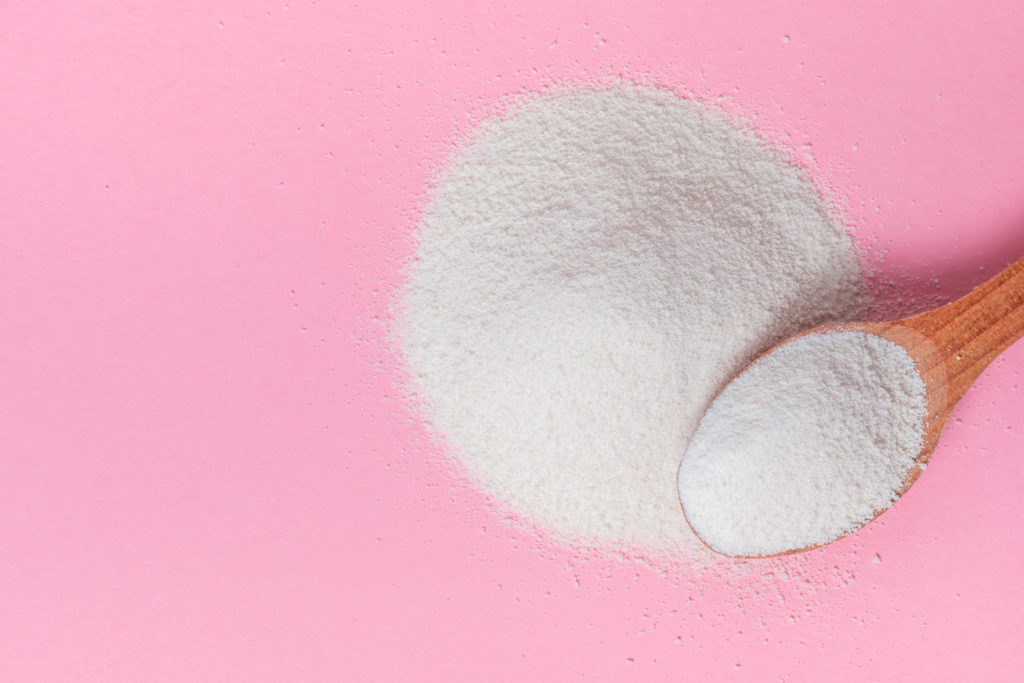
Each source has slightly different types of collagen and amino acid profiles. You’ll usually find it as a light white powder that dissolves easily in hot or cold liquids. The taste? Almost neutral. That’s why many pregnant women mix it into their morning coffee or a smoothie without really noticing it. And that actually matters, because pregnancy already comes with taste sensitivities and nausea anything with a strong smell can be a dealbreaker.
But here’s an important side note.
Not every product labeled “collagen” is the same quality. Some contain added sweeteners, artificial flavors, or even herbs that may not be suitable during pregnancy. So if you’re thinking about using collagen peptides while pregnant, always read the ingredient list carefully. Don’t just rely on the marketing on the front of the package.
Also, biologically speaking, when you take collagen peptides, your body doesn’t send them directly to your skin or joints. They’re broken down into amino acids, and your body uses them wherever they’re needed most. So the results aren’t magical they depend on your body’s actual needs.
Honestly? Collagen peptides aren’t completely new. We’ve been consuming collagen naturally for generations through bone broth and cuts of meat rich in connective tissue. The modern version is just more concentrated and easier to use.
So in simple terms, collagen peptides are just a processed form of a protein that already exists in our bodies. But using them during pregnancy isn’t just about following a nutrition trend it requires looking at your overall health picture first.
Read also: Best Vegan Prenatal Vitamins: A Complete Guide for a Healthy Pregnancy
Why Would a Pregnant Woman Even Think About Taking Collagen?

Let me be honest with you for a moment. Pregnancy changes the body in ways that sometimes feel faster than we can process. In just one month, your clothes might feel tighter, your skin more sensitive, and your lower back might quietly complain every time you move.
Your skin stretches. belly grows. Your breasts change. Even the way you walk starts to shift. It’s completely natural to start thinking about some kind of extra support. And that’s when the question of collagen peptides during pregnancy really comes up.
Collagen is a key component of:
- Skin and connective tissues
- Cartilage and joints
- Parts of the placenta
- The walls of blood vessels
In other words, it’s part of your body’s basic structure. And with increased blood volume, a growing uterus, and shifting weight, your body is under real pressure.
1. Stretch marks and tight skin
Most women don’t worry at first. Then suddenly, pink or purple lines appear on the belly or thighs. That’s usually when the search begins.
Can collagen help maintain skin elasticity? The idea makes sense. If collagen is responsible for firmness and flexibility, then supporting it might help. But the truth is, stretch marks are heavily influenced by genetics and hormonal changes not just how much collagen you consume.
2. Joint pain and lower back discomfort
As pregnancy progresses, the hormone relaxin makes ligaments softer to prepare the body for birth. That’s helpful, but it can also cause a feeling of instability or pain in the pelvis and knees. Some women wonder if supporting cartilage through collagen peptides during pregnancy could ease that discomfort.
3. Hair and nail changes
While some pregnant women notice thicker hair thanks to hormones, others deal with weakness or breakage. Since collagen is often marketed as something that “supports hair,” it starts to look appealing.
4. Blood vessels and circulation support
Pregnancy significantly increases blood volume. Blood vessels stretch, and some women experience varicose veins or heavy legs. Because collagen is part of blood vessel walls, it’s natural to ask whether supporting it could help.
But here’s the important part.
Just because collagen is a major structural protein in the body doesn’t mean taking it as a supplement will go directly to your skin or joints. Your body breaks it down into amino acids and then uses those building blocks wherever it sees the greatest biological need. There’s no direct delivery system sending it to one specific area.
And sometimes, what your body really needs isn’t another supplement. It might be balanced nutrition, enough protein, vitamin C, and proper rest though sleep during pregnancy is a whole separate struggle.
The point isn’t that collagen is useless. It’s that deciding to use collagen peptides during pregnancy should come from real understanding of your body’s needs, not just fear of stretch marks or the desire for a quick fix.
Your body is doing something incredibly complex right now building a new life. Sometimes the most powerful support isn’t adding another container of supplements to the shelf, but focusing on good nutrition and a bit of calm.
Read also: Best Postpartum Workout Routine for a Strong and Healthy Body
Potential Benefits of Collagen During Pregnancy
Let’s agree on something first. When we talk about collagen peptides during pregnancy, we’re not talking about a medically approved treatment for pregnancy itself. We’re talking about a supplement that might support certain physical aspects during this sensitive phase. The key word here is support not miracle.
1. Supporting skin elasticity
As your belly, breasts, and thighs expand, your skin is working overtime. Sometimes you feel itching or tightness, like your skin is trying to keep up with how fast everything is changing.
In theory, collagen plays a role in skin elasticity because it’s one of its main building blocks. That’s why some women say their skin feels a bit firmer or less dry when they use it.
But let me be clear: no supplement can prevent stretch marks 100%. Genetics play a huge role. Hormones matter. The speed of weight gain matters. Even your skin type before pregnancy matters.
Collagen may support elasticity, but it won’t rewrite your genes. And honestly, staying well-hydrated and moisturizing regularly can make just as much of a difference.
2. Joint and lower back support
Pregnancy shifts your weight distribution. Suddenly, there’s extra pressure on your knees, pelvis, and lower spine. The hormone relaxin softens ligaments to prepare for birth, which is helpful but it can also cause instability or discomfort.
This is where the idea of collagen peptides during pregnancy comes up again, since collagen is part of cartilage and connective tissue. Some women say their knee or lower back pain felt slightly better after adding it to their diet.
Is this strongly proven in pregnancy-specific research? Not really. But from a biological point of view, supporting connective tissue while the body is under extra strain does make some sense.
3. An additional source of protein
At the end of the day, collagen is protein. And protein needs increase during pregnancy to support your baby’s growth and the development of new tissues.
However and this is important collagen does not contain all the essential amino acids. That means it’s not a complete protein. It shouldn’t be your main protein source, just a small addition within a balanced diet.
And here’s something I really don’t want you to overlook. If your main goal is safely increasing your protein intake during pregnancy, choosing a high-quality pregnancy-safe protein powder might be more important than focusing on collagen. We’ve explained this in detail in our guide: How to Choose a Pregnancy Safe Protein Powder Without Risks
This kind of awareness matters because some products on the market contain strong artificial sweeteners, herbs that aren’t pregnancy-friendly, or even unwanted levels of heavy metals.
Is Collagen Peptides During Pregnancy Actually Safe?

Let’s take a deep breath before answering that. Safety during pregnancy is a sensitive topic. Anything you put into your body right now doesn’t affect just you. So asking whether collagen peptides are safe during pregnancy isn’t overthinking it’s basic awareness.
Here’s what the science says so far: there aren’t large, well-designed clinical studies done specifically on pregnant women to clearly confirm the safety of collagen peptides. That doesn’t automatically mean it’s dangerous. It just means the evidence is limited.
Collagen itself is a protein that naturally exists in your body. When you consume it, it gets broken down into amino acids that your body uses where needed. From that angle, it seems relatively low risk.
But the real issue usually isn’t the collagen itself it’s the commercial product that contains it. For a collagen supplement to be a safer option during pregnancy, it should be:
- Free from heavy metals like lead and mercury
- Without added herbs or hormone-stimulating ingredients
- Free from high doses of vitamin A (since too much can be harmful in pregnancy)
- Tested by independent third-party labs for quality and purity
And here’s something people often overlook: some products include strong artificial sweeteners or flavorings that aren’t clearly highlighted. Reading the nutrition label isn’t optional here it’s essential.
So, is it generally considered safe if it’s pure?
In many cases, yes it’s often viewed as a low-risk supplement when taken in moderate amounts. But “often” isn’t the most comforting word when you’re pregnant.
And this comes from personal experience with past health decisions: don’t rely only on internet advice. Even if it’s from an influencer you trust or a friend you love. Our bodies are different. Our medical histories are different.
Talking to your OB-GYN or healthcare provider before adding any new supplement even one that seems simple is the smartest step.
Pregnancy is temporary. But the choices you make during it can have long-term impact. Wisdom here isn’t about trying everything. It’s about choosing what you truly need.
When Should You Avoid Collagen During Pregnancy?
Even though the conversation around collagen peptides during pregnancy often sounds reassuring, there are situations where skipping it or not starting at all is the smarter choice. Not out of fear, but out of caution.
1. If you’re allergic to its source
If you have a history of allergies to beef or seafood, this isn’t something to experiment with. Allergic reactions during pregnancy can sometimes feel stronger than expected, since your body is already more sensitive.
And not all reactions show up dramatically. Sometimes it’s just mild skin irritation or digestive discomfort. Don’t ignore small warning signs.
2. If the product contains unclear additives
Some containers look “clean” and simple from the outside. But once you read the ingredient list, you might find:
- Artificial flavors
- Herbs that aren’t pregnancy-friendly
- Strong sweeteners
- High doses of added vitamins
In this case, the issue isn’t the collagen itself it’s what’s mixed with it. Any ingredient that feels unnecessary or confusing during pregnancy deserves a second thought. If you have to Google half the ingredients to understand them, that product may not be the right choice for you.
3. If you’re already getting enough protein
Sometimes we add supplements just because we feel like we should be doing something extra. But if your diet is balanced and you’re already consuming enough protein from meat, eggs, legumes, dairy, or even a pregnancy-safe protein powder you may not need collagen at all.
More protein doesn’t automatically mean more benefit. Your body can only use so much. The rest simply gets processed and eliminated.
4. If your doctor advises against it
This is more important than anything written here. If you have gestational diabetes, kidney concerns, digestive disorders, or any other medical condition, your doctor might prefer that you avoid additional supplements.
And honestly? Sometimes we look for a supplement because it gives us a sense of control. But safety matters more than the feeling of “doing more.”
In general, the issue is rarely collagen itself. The real problems tend to come from excessive doses, low-quality products, or random use without a real need.
Pregnancy isn’t a supplement competition. It’s a phase that requires balance, calm thinking, and thoughtful decisions. And sometimes, the healthiest choice is simply not adding anything new at all.
Can You Get Collagen Naturally?
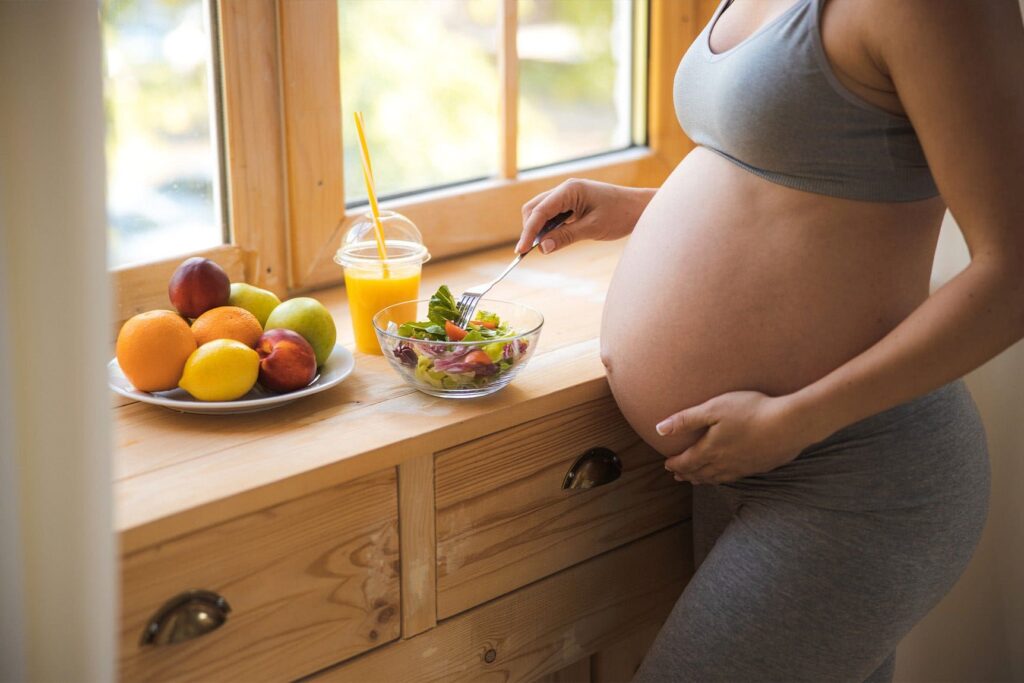
Yes and it’s actually simpler than you might think.
Before reaching for a container labeled collagen peptides during pregnancy, it’s worth asking: can your body get what it needs from food first?
The truth is, collagen isn’t some foreign substance. Your body makes it every single day. The real issue isn’t whether collagen exists it’s whether your body has the right nutrients to produce it efficiently.
Bone broth
This is probably one of the oldest natural sources of collagen. When bones are simmered for long periods, the connective tissues break down and release collagen into the broth.
It may sound old-fashioned, but it works. And honestly, a warm cup of bone broth in winter isn’t just nourishing it’s comforting too.
Cuts of meat rich in connective tissue Meat that includes tendons and cartilage especially when slow-cooked contains higher amounts of collagen.
Many people prefer only the lean, tender cuts. But those slower-cooked pieces actually offer a different kind of nutritional value.
Fish
Especially the skin and areas close to the bones. Marine collagen is often considered relatively easy to absorb.
If you’re already eating fish regularly during pregnancy (from safe, low-mercury sources), you’re naturally supporting your collagen levels.
Eggs
Eggs don’t contain large amounts of direct collagen, but they provide important amino acids that help your body produce it. Sometimes supporting the building process is just as important as consuming the final product.
Vitamin C
This is the part many people overlook. Your body can’t efficiently produce collagen without vitamin C.
Oranges, red bell peppers, kiwi, and strawberries all play a key role in the process.
And here’s the beautiful part: your body isn’t passive. It’s not just sitting there waiting for supplements. It’s a living system constantly building and repairing.
If you give it enough protein, vitamin C, zinc, and iron, it will often do the rest on its own.
So before adding another supplement to your collagen peptides during pregnancy routine, ask yourself:
Is my diet balanced? Am I getting enough of the nutrients that actually support collagen production?
Sometimes going back to real food does more than powders ever could. That doesn’t mean supplements are useless. But the foundation almost always starts in the kitchen not on the pharmacy shelf.
The Difference Between Collagen and Regular Pregnancy Protein
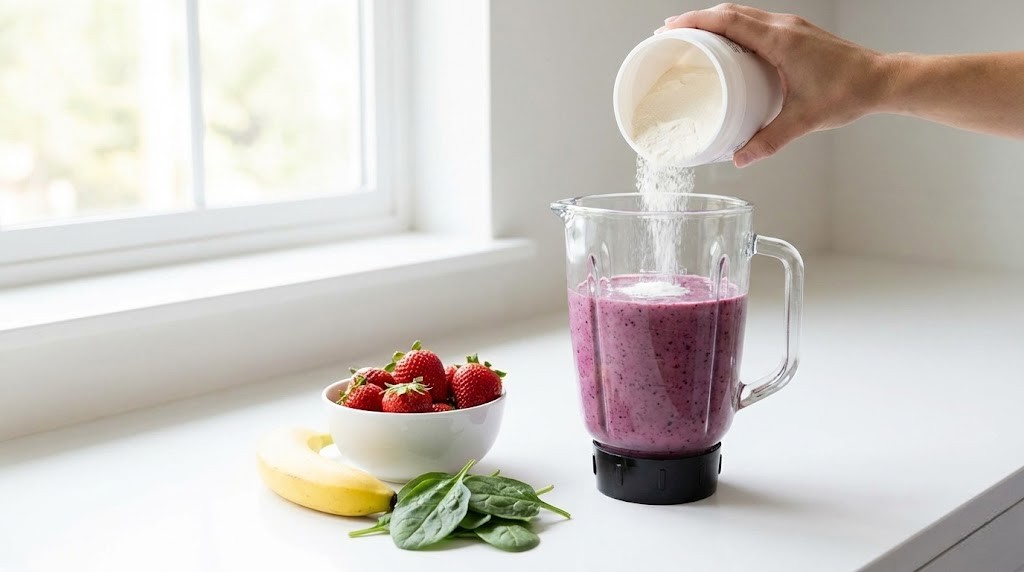
Many pregnant women assume that anything labeled “protein” does the same job. When we talk about collagen peptides during pregnancy, we’re talking about a very specific type of protein one that’s quite different from regular dietary protein or pregnancy-safe protein powders.
First: Collagen
These are great for supporting skin, connective tissues, and joints. However, collagen lacks some essential amino acids especially tryptophan. And essential amino acids are the ones your body cannot produce on its own. You have to get them from food.
So in simple terms, collagen is an incomplete protein. It can be helpful for certain structural support functions, but it’s not enough to support full fetal growth if you rely on it alone.
Second: Complete pregnancy protein
Whether it comes from whole food sources like:
- Eggs
- Meat
- Chicken
- Fish
- Legumes
Or from a pregnancy-specific protein powder a complete protein contains all the essential amino acids your body needs to build:
- Fetal tissues
- Muscles
- Enzymes
- Hormones
- Blood cells
And that’s the key difference. If your goal is to meet your daily protein needs during pregnancy, complete protein should always be the priority. Collagen can be an extra addition, but it shouldn’t be the foundation.
Sometimes I see pregnant women taking one scoop of collagen daily and feeling reassured, as if that alone covers their protein requirements. That’s not accurate.
During pregnancy, your body needs balanced protein to support a very complex process of growth and development. Collagen can play a small supporting role but it’s not the whole picture.
When Is Collagen a Good Option?
If you’re already meeting your needs for complete protein through your diet, then adding collagen as extra support for your skin or joints could make sense within the context of collagen peptides during pregnancy.
But if your main goal is to fix a protein deficiency, start with the foundation first. Focus on complete, balanced protein before thinking about collagen.
Pregnancy isn’t the time for quick fixes. It’s a time for building something strong from the inside out. And building requires full materials not just one piece of the structure.
Can Collagen Help Reduce Hair Loss After Birth?
This question comes up a lot, especially when talking about collagen peptides during pregnancy and the postpartum phase.
Most women go through almost the same shocking moment. You brush your hair and notice way more strands than usual. You brush again just to make sure. Then the worry starts.
First, let me reassure you: postpartum hair loss is very normal. During pregnancy, estrogen levels rise, and that extends the life cycle of each hair strand. In simple terms, hair that would normally fall out stays longer. That’s why many women feel like their hair looks thicker and shinier while pregnant.
After delivery, hormone levels suddenly drop. The hair that was “on hold” enters the shedding phase almost all at once. It feels dramatic but it’s actually a natural cycle catching up.
So where does collagen fit into this?
Collagen contains amino acids that play a role in forming keratin, the main protein in hair. In theory, that means it could support scalp health and the structure of the hair shaft. Some women say they notice stronger hair or less breakage when taking it.
But here’s the honest part: there’s no strong scientific evidence showing that collagen can stop hormonally driven postpartum hair loss. The main cause is hormonal shifts, not a collagen deficiency.
In simpler words, if hair shedding is triggered by natural hormone changes, no supplement can completely stop that process. Sometimes the body just needs time to rebalance.
And this is important too:
If hair loss feels excessive or continues for a long time, the cause might be low iron, vitamin D deficiency, or even a thyroid issue not a lack of collagen. In those cases, blood tests are far more useful than adding another supplement.
I know hair loss can feel emotionally heavy. Especially after pregnancy, sleepless nights, exhaustion, and so many body changes. But in most cases, hair starts returning to its normal growth cycle within a few months. Sometimes what you need most isn’t another product it’s patience, good nutrition, and a little kindness toward yourself during this transition.
The Right Dosage If Your Doctor Approves

I know the first question that probably comes to your mind after reading all this is: Okay, if I decide to take it, how much should I use?
When it comes to collagen peptides during pregnancy, there isn’t an official dosage specifically approved for pregnant women. There are no clear medical guidelines that say, “This is the safe amount during pregnancy.” Simply because studies focused directly on pregnant women are still limited.
In most commercial products, the common dosage ranges between 5 to 10 grams per day.
That’s usually about one scoop daily in many containers. But the number printed on the label isn’t a rule your body must follow.
If your doctor approves using it, the right amount depends on very personal factors, such as:
- Your daily diet: Are you already getting enough protein from food?
- Your weight and stage of pregnancy: Needs can differ between the first and third trimester.
- Your total protein intake: Are you already using another protein powder?
- Any health conditions like kidney issues, gestational diabetes, or digestive problems.
And here’s something people often overlook: sometimes the issue isn’t just the daily dose of collagen it’s the total protein coming from multiple sources.
You might be getting protein from meals, amino acids from prenatal vitamins, plus collagen on top of that. Suddenly, your overall intake is higher than you realized.
If you decide to include collagen in your routine, start with the lowest reasonable amount, monitor how your body responds, and don’t exceed what your healthcare provider recommends. Pregnancy is a delicate phase. Moderation isn’t optional it’s essential.
Final Thoughts
Collagen peptides during pregnancy might be helpful for some women and unnecessary for others. Listen to your body. Talk openly with your doctor. And don’t get carried away by marketing promises of perfect skin or a problem-free pregnancy. Pregnancy is a deeply human experience before it’s a supplement routine.
Read also: Foods to Avoid During Pregnancy: What You Must Skip for a Safe Pregnancy
FAQs
They can be helpful as extra support for skin or joints, but they’re not essential for everyone. It’s always best to talk to your doctor before starting any supplement during pregnancy.
Not all peptides are considered safe. As for collagen peptides during pregnancy, they’re generally viewed as low risk if the product is pure and free from harmful additives. Still, there isn’t enough research to confirm complete safety.
Look for a clean product that’s free from heavy metals, doesn’t contain added herbs, avoids high doses of vitamin A, and has been tested by an independent lab for quality.
In most cases, it’s considered safe in moderate amounts if the product is high quality. But if you’re actively trying to conceive, it’s still a good idea to check with your doctor first.
Medical Disclaimer: Since nutritional needs vary from person to person based on health status, age, and medical history, we strongly recommend consulting your physician or a certified nutritionist before starting any new diet or changing your eating habits, especially if you have chronic conditions or are taking specific medications. Accordingly, the nutritional information provided in this article is for educational and informational purposes only and should not be considered medical advice or a formal diagnosis.