Best Weight Loss Program: A Complete Guide to Losing Weight the Healthy Way
Let me start with something very simple, and honestly, not many people say it out loud: losing weight is not a battle. It’s not a test of willpower, and it’s not a race to see who reaches the lowest number on the scale. If you’ve tried many diets before, started with excitement, then suddenly stopped, that doesn’t mean you failed. Most of the time, the program itself was the problem. That’s why, when we talk about the best weight loss program, we’re not looking for a harsh diet, extreme restriction, or unrealistic promises. We’re looking for a way that fits into your life, not something that works against it.
So what does “best weight loss program” really mean?

The best program isn’t the one that impresses you in the first week with fast results on the scale. And it’s not the one that makes you feel like you’re in a tough challenge you must survive at any cost. Fast weight loss might feel good for a moment, but usually it comes at the expense of your energy and mental well-being. After a while, you often find yourself right back where you started maybe even more tired and frustrated than before. That’s why, when we say best weight loss program, we’re not talking about speed. We’re talking about consistency.
The best program is the one that helps you lose weight while your life keeps moving. You’re eating, going out, living your day, without feeling like every single day is a fight. It’s the kind of program where, if you slip up and that’s completely normal you don’t drown in guilt or say, “That’s it, I ruined everything.” Instead, you know how to calmly get back on track without being hard on yourself.
A truly healthy weight loss program is built on a few simple but powerful basics: food that actually keeps you full not just physically, but mentally too so you don’t feel deprived. Movement that fits your body and your daily rhythm, not something forced or punishing. And a calm mindset that understands weight loss isn’t a straight line. There will be good days and messy days, and that’s part of the journey, not a sign that you failed.
Read also: Best Foods for Weight Loss: The Top Foods That Keep You Full and Boost Fat Burning
Why Do Most Weight Loss Programs Fail?

Let’s be a little realistic, without sugarcoating anything.
Most weight loss programs don’t fail because people “lack discipline” or “don’t have enough willpower.” That line has been repeated so much it barely means anything anymore. The truth is, the problem is usually the program itself, not the person trying to follow it.
One very common reason is that calories are way too low. The body feels like it’s in emergency mode. Energy drops, focus disappears, and hunger is there all the time. At that point, sticking to the plan isn’t a conscious choice anymore it turns into a daily struggle. Any program that starts with extreme restriction rarely lasts.
Another reason is that the food is boring and unrealistic. The same meals, the same taste, the same plate every single day. Food loses its joy and slowly turns from something natural into something annoying. No human can live for long on food they don’t enjoy, even if it’s labeled “healthy.”
Also, many diets are not flexible at all. Your whole day has to revolve around the diet, not the other way around. If you go out, run late, or have a stressful workday, the program falls apart. That goes completely against the idea of a best weight loss program, which should adapt to your life, not force you into a perfect routine that’s impossible to repeat every day.
And the most important part often completely ignored is mental and emotional pressure. Food isn’t just calories. It’s connected to stress, sadness, boredom, and even reward. When a program treats a person like a machine, it’s only natural for it to fail the moment real life steps in.
The Foundation of Any Successful Best Weight Loss Program
Before we get into food details, movement, or even numbers and calculations, there’s something important we need to understand first: any successful best weight loss program never really starts with what’s on your plate. It starts with the foundation the whole plan is built on. Without a clear and comfortable base, even the most “perfect-looking” program will fall apart at the first sign of stress or exhaustion.
This foundation isn’t about strict rules. It’s about a few simple principles that make weight loss doable and something you can actually continue without feeling like you’re constantly fighting yourself.
1. Food: Not Less Quantity, Smarter Choices
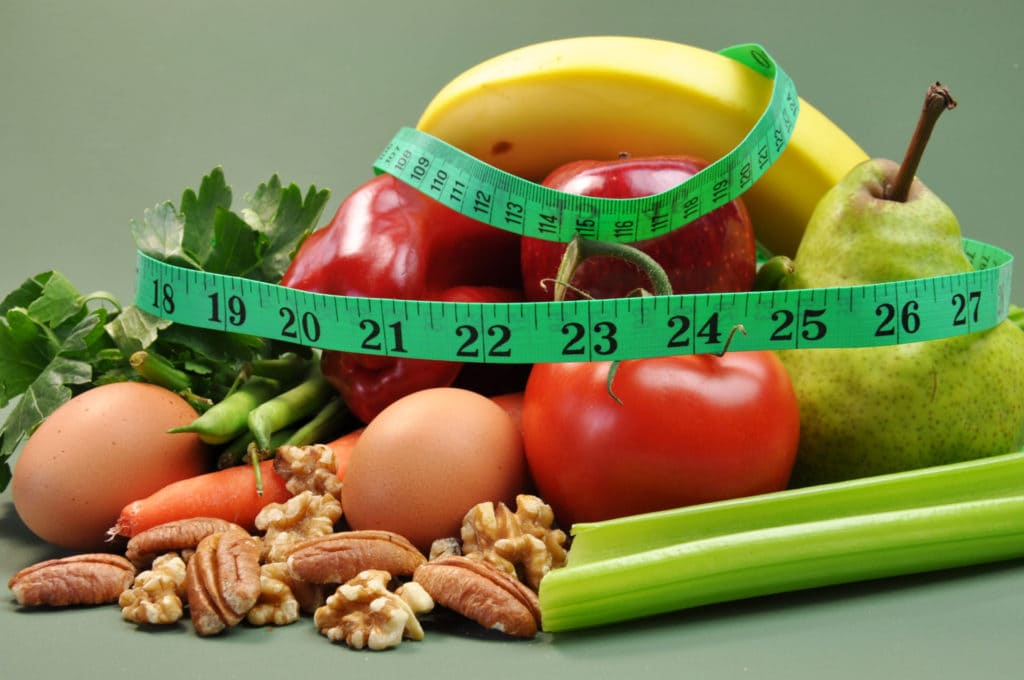
The goal isn’t to eat less and stay hungry all day. And it’s definitely not to live feeling deprived. The real goal of any best weight loss program is to eat food that truly satisfies you food that stays in your stomach longer and keeps your energy steady instead of going up and down all day.
To get that feeling, try to include these elements in your meals:
- Protein (eggs, chicken, tuna, legumes)
Protein is key for feeling full. When it’s part of your meal, hunger stays quieter for longer, and cravings between meals go down. It also helps your body keep muscle, which is very important during weight loss so the weight you lose comes from fat, not your body itself.
- Fiber (vegetables, fruits, oats)
Fiber fills your stomach gently without heaviness or bloating. It slows digestion a bit, which helps you stay full longer. It also helps regulate appetite and reduces those sudden hunger attacks that seem to come out of nowhere.
- Healthy fats in reasonable amounts (olive oil, nuts)
Despite the fear around them, healthy fats play an important role in satiety and meal enjoyment. A spoon of olive oil or a small handful of nuts can make a big difference as long as the amount is intentional and controlled, not random.
- And no… you don’t have to cut carbs.
Bread, rice, and pasta can all be part of a balanced meal. The issue isn’t banning them it’s balance. A reasonable portion paired with protein and vegetables lets your body use the energy without turning it into weight gain or mental stress.
2. Hunger Is Not Your Enemy
This is where many people get confused and stuck in an endless cycle of struggle. We’ve been taught to link weight loss with hunger, as if feeling hungry means “you’re doing it right.” But the truth is very different.
Normal hunger is just a signal, like thirst or tiredness. It’s your body saying it needs food. That’s not the problem.
The problem is the kind of hunger that makes you dizzy, ruins your focus, messes with your mood, and makes you irritated over everything. That kind of hunger is not a success sign it’s a clear warning that the program you’re following is putting too much pressure on your body and doesn’t match your real needs.
Any respectable best weight loss program aims to balance your body, not exhaust it. You’ll notice that balance through a few clear signs:
- Stable blood sugar
When your meals are balanced, you don’t get sudden crashes or intense sugar cravings for no reason. Your energy feels calmer and more even.
- Reasonable energy throughout the day
You don’t have to feel overly energetic but you also shouldn’t feel drained all the time. A good program helps you get through your day without feeling like you’re dragging yourself along.
- Feeling satisfied, not stuffed
There’s a big difference between being full and being uncomfortable. Satisfaction feels calm and relaxed you finish your meal and feel okay, not heavy.
If you find yourself thinking about food all the time and counting the hours until your next meal, that’s not extra commitment. It means the program needs adjustment. Healthy weight loss shouldn’t make food control your mind it should actually free you from it a bit.
3. Movement: No Gym, No Punishment Required
Let’s be honest, without fake motivation. Not everyone loves the gym. Not everyone has the time or energy to get dressed, go out, and work out for a full hour. And that’s completely okay. It’s not laziness or failure.
The problem is that many weight loss programs act like the gym is the only solution. So when someone skips it in the first week, they feel like the whole program has collapsed.
The truth is, your body doesn’t need punishment to burn fat. It just needs movement. Regular movement simple movement does way more than intense workouts that last two weeks and then disappear.
Choose whatever gets your body moving in a way that fits you:
- Walking for 30 minutes
Calm walking, not racing. Outside, at home, or even in a mall. Walking moves your whole body and improves your mood, and it’s easy to stick with.
- Home workouts
Simple exercises, even without equipment, are more than enough. Just 15–20 minutes can make a real difference if done consistently.
- Dancing
Yes, dancing. Movement, burning calories, good energy and no feeling like you’re “working out.” That makes consistency much easier.
- Taking the stairs
A small daily habit with a strong effect. Choosing stairs over the elevator a few times a day adds up.
4. Mindset: The Part Everyone Forgets
Many weight loss programs focus only on food and exercise. They give you schedules, rules, forbidden foods, workoutsand forget something essential: your mental state. As if humans are machines. Follow the rules and you succeed. Break them and you fail. Real life is far more complicated than that.
Food is deeply connected to emotions, whether we like to admit it or not. Stress, sadness, pressure, even boredom all affect how we eat. So if you find yourself:
- eating when you’re upset
- breaking the plan after a long, exhausting day
- saying “I ruined it” and then continuing to eat
That’s not weakness. It’s not lack of willpower. And it’s not personal failure. It’s human behavior—and it happens to many people, even those who look “perfectly disciplined” from the outside.
A healthy program:
- Allows mistakes
Because mistakes are part of the journey, not an exit from it. One off day is not the end.
- Doesn’t turn life into black and white
It’s not perfect commitment or total failure. There’s a middle ground and that’s what makes consistency possible.
- Helps you restart without self-punishment
- No harsh restriction, no extra punishment, no shame.
A calm mindset isn’t a luxury it’s the base. When you’re kinder to yourself, better choices come more naturally, and weight loss becomes a calmer, more realistic journey toward success.
Read also: Weight Loss Shots: The Ultimate Guide to Slimming Injections, Their Benefits, and Side Effects
Is There One Program That Works for Everyone?

Short answer: no.
The honest answer, without sugarcoating: impossible.
The idea that one program can work for everyone sounds comforting, but it’s not real. Every body is different. Every life is different. And every stage of life comes with its own conditions. Your age, your job, your sleep schedule, stress levels, hormones, even your history with past diets all of these affect how your body loses weight.
That’s why when you try a program that worked great for someone else and it doesn’t work for you, it doesn’t mean there’s something wrong with you. Most of the time, the program just doesn’t fit your circumstances. Any real best weight loss program has to be flexible and adjustable, not a fixed template.
The right program is one that:
- You can adjust
Add a meal, change timings, move less on busy days or more when you have energy. Not rigid rules that make you feel trapped.
- You can follow without feeling miserable
- You’re not counting the days until the diet “ends.” If a program annoys you from the first week, it probably won’t last.
- Feels like you
Like your food, your routine, your energy. Not a copy of an influencer’s life on Instagram someone who wakes up early, works out for two hours, and cooks every meal with zero stress or responsibilities.
The best program isn’t the one that looks perfect on paper. It’s the one that fits your real life.
Signs You’re on the Right Track

At some point while following any best weight loss program, a question always comes up: Am I actually doing this right? And the answer isn’t always on the scale. In fact, there are much clearer and more honest signs that show up in how you feel every day, and in the way you deal with food and your body.
- You’re not hungry all the time
Normal hunger still exists, but it’s not taking over. You’re not constantly thinking about food or counting the hours until the next meal. When hunger feels calm and understandable, it’s a sign your body is balanced.
- Your weight is going down slowly (and that’s a good thing)
Slow weight loss is usually the kind that lasts. No exhaustion, no crashes, and no fast rebound. The number on the scale moves down little by little, but steadily.
- Your energy is better
You can work, move, and get through your day without feeling drained all the time. Even if you’re tired, it’s not made worse by extreme restriction or undereating.
- Your relationship with food feels calmer
There’s no fear around eating and no guilt after every meal. Food becomes a conscious choice, not a constant battle between desire and restriction.
- You’re not afraid of the scale
The scale becomes a tracking tool, not a judge. A number going up or down doesn’t control your mood or make you change everything overnight.
When these signs are there, chances are you’re exactly where you need to be.
A Practical Step-by-Step Plan
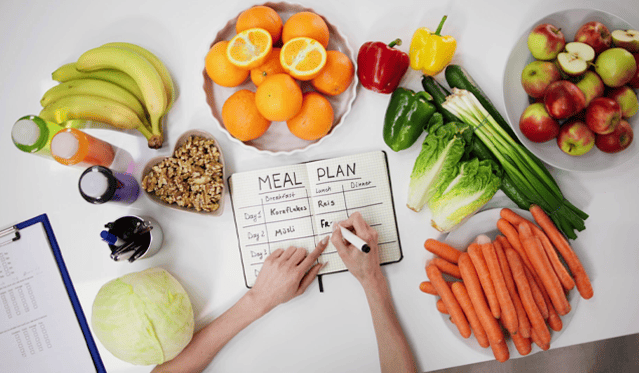
The idea here is to move step by step without flipping your whole life upside down and without feeling like you’re starting a huge project. Any successful best weight loss program starts with very simple things, but done consistently.
Step 1: Fix the foundation before thinking about weight loss
Before food, calorie counting, or dieting, pause for a moment and honestly ask yourself:
- How much do I sleep?
- Do I drink enough water, or do I forget?
- How stressful is my day?
These questions seem simple, but they’re the real base of any change. A tired, dehydrated, or mentally exhausted body will struggle to follow any plan, no matter how perfect it looks on paper. You don’t need to change everything at once that usually backfires.
Start with just one thing:
- Go to bed 30 minutes earlier
- Add one extra glass of water
- Cut down a bit on sugar in your coffee
Small details, when repeated, actually matter. They make a best weight loss program work with less resistance.
Step 2: Build your plate smartly (not through restriction)
Instead of asking “What should I eat?” every time, give your plate a simple structure. That makes choices much easier.
Try to keep your plate close to this formula:
- Half the plate: vegetables (cooked or raw whatever feels good)
- One quarter: protein
- One quarter: carbs or healthy fats
A very realistic example:
- Grilled chicken breast
- Rice or potatoes
- Salad or sautéed vegetables
No scale, no complicated math. Your eyes are enough at the beginning. Over time, your body will naturally guide the portions.
Step 3: Stabilize meal times, not quantities
Your body loves routine. When meal times are fairly consistent, hunger calms down and binge episodes decrease. Aim for:
- 3 main meals
- 1–2 snacks, depending on your hunger
- And if you miss a meal? Nothing bad happened.
Just continue your day normally no overcompensating, no extra restriction.
Step 4: Snacks are not the enemy
The big mistake is letting yourself get too hungry, then crashing hard. Smart snacks prevent that:
- Yogurt + fruit
- A handful of nuts
- An egg
- A small piece of chocolate (yes, really)
Snacks aren’t weakness. Snacks are a tool. Extreme restriction is usually the fastest way to break any program.
Step 5: Movement without pressure
Let’s drop the word “exercise” for a moment and replace it with movement. Choose one thing that fits you:
- Walking for 20–30 minutes
- Light home workouts
- Dancing to a song you love
- 3–4 days a week is more than enough.
You don’t need more than that for your body to respond.
Step 6: How to handle “off” days
A day where you eat more than planned:
- Is not a failure
- Is not the end of the world
- And doesn’t need “punishment”
What to do instead?
- Drink water
- Eat a balanced meal after
- Continue normally
People who actually lose weight aren’t the ones who never mess up they’re the ones who know how to get back on track quickly.
Step 7: The scale is not the only judge
The scale is a tool, not a judge.
Weigh yourself once a week, or even take a break from it if it affects your mood. Focus instead on:
- Do your clothes feel looser?
- Do you feel lighter?
- Is your hunger calmer?
- Is your energy better?
These signs are far more powerful than any number. And most of the time, when the feeling improves, the number follows quietly after.
Weekly Weight Loss Program Plan

General rule:
If you swap one day with another, or one meal with another, it’s totally fine.
A best weight loss program is not a military schedule.
Saturday
- Breakfast: 2 eggs + baladi bread + vegetables
- Snack: Coffee with milk or fruit
- Lunch: Grilled chicken + rice + salad
- Snack: Yogurt or a handful of nuts
- Dinner: Cottage cheese or yogurt + cucumber
Sunday
- Breakfast: Yogurt + oats + fruit
- Snack: Dates or an apple
- Lunch: Meat or fish + potatoes or pasta + vegetables
- Snack: A small piece of chocolate (yes, on purpose)
- Dinner: Eggs or vegetable soup
Monday
- Breakfast: Bread + fava beans or hummus + vegetables
- Snack: Coffee or tea
- Lunch: Chicken + sautéed vegetables + carbs
- Snack: Yogurt
- Dinner: Toast + cheese + vegetables
Tuesday
- Breakfast: Eggs + bread + vegetables
- Snack: Fruit
- Lunch: Fish + rice + salad
- Snack: Nuts
- Dinner: Yogurt or one egg
Wednesday
- Breakfast: Yogurt + fruit + oats
- Snack: Coffee with milk
- Lunch: Meat + vegetables + carbs
- Snack: Biscuit or small piece of chocolate
- Dinner: Soup or cheese
Thursday
- Breakfast: Bread + eggs or cheese
- Snack: Fruit
- Lunch: Chicken + potatoes + salad
- Snack: Yogurt
- Dinner: Light meal depending on hunger
Friday (flexible day)
Eat what you like… but:
- With awareness
- Without the “last chance” mindset
- One open meal, not the whole day
This way, the plan stays realistic, calm, and easy to continue.
A Mental Plan for Dealing with Eating Episodes

Honestly, this part is more important than the food itself. You can follow the best diet in the world, but if your mental state is under pressure or not understood, eating episodes will find their way back sooner or later. These episodes aren’t a willpower problem. Most of the time, they’re a message from your body or your mind that something needs attention.
1. Tell the difference between real hunger and emotional hunger
The first step isn’t stopping yourself it’s understanding what’s happening inside you. Before eating, pause for a moment and ask yourself calmly, without judging:
- Am I actually hungry, or just bored?
If I had eggs or rice in front of me, would I eat them?
If the answer is, “No, I just want chocolate” or one very specific food, then it’s probably emotional hunger. Hunger connected to feelings, stress, or emptiness not a real physical need. And that’s not a flaw, not weakness, and not failure. It’s normal human behavior. It happens to many people, even those who look very “controlled” with food from the outside.
2. The 10-minute rule
Before eating impulsively or feeling like you’re “about to mess up,” try to pause for a small moment:
- Drink some water
- Sit for 10 minutes
- Take two or three deep breaths
The goal isn’t to forbid food. It’s to give yourself space to calm down. Surprisingly, many eating episodes fade or pass on their own when we give ourselves a little time. And if they don’t? That’s okay. You still tried with awareness and that matters.
3. If it happens don’t punish yourself
This is the most important point in the whole plan. If an episode happens, don’t start a new war afterward.
- No fasting
- No extra restriction the next day
- No “I ruined everything”
Punishment is what makes episodes repeat not the food itself.
- So what should you do instead?
- Continue eating normally
- Have a balanced meal after
- Continue the program without changes
One meal doesn’t ruin a day. Guilt is what actually does.
4. Keep “safe foods” around
Denying yourself foods you love turns them into an obsession. Then, at the first sign of stress or exhaustion, the episode explodes usually in bigger amounts.
That’s why it’s important to keep things like:
- Chocolate
- Biscuits
- Any food you genuinely enjoy
The key here is awareness and portion, not fear. When food is allowed, it loses a lot of its power. This is a smart part of any successful and sustainable best weight loss program.
5. Track your feelings, not your food
During an episode, instead of focusing on “What did I eat?”, shift your attention to “What am I feeling?” Even just in your head, ask:
- Why am I upset right now?
- What happened before this?
- Do I need food, or do I need comfort?
Many times, we’re not hungry we need rest, safety, or someone to listen. When you understand the feeling, food starts to lose some of its control.
6. Simple alternatives for boredom moments
These alternatives don’t have to work every time or perfectly. Just having them in mind can change the direction of the moment. Try things like:
- Walking for 5 minutes
- Taking a warm shower
- Playing music you like
- A short call with someone close
- Tidying up a small space around you
These options won’t always stop an episode, but sometimes they soften it. Other times, they help you choose more consciously. And that, by itself, is real progress.
Final Thoughts
Let’s be honest with ourselves. Weight loss isn’t a one-day decision, a temporary burst of motivation, or a challenge you have to win as fast as possible. It’s a small, ongoing journey made up of choices that are much simpler than we imagine but repeated every day. When you choose a best weight loss program that truly fits you, you’re not trying to change who you are. You’re just adjusting the direction. Speed doesn’t matter as much as continuing.
You don’t have to be perfect you just have to keep going. You don’t need to love every step, but you should feel that it’s doable. Listen to your body, give yourself space to make mistakes, and always remember that real change shows up in how you feel before how you look. When you start feeling lighter, calmer, and more connected to yourself, that’s when you know you’re not just losing weight you’re on the right path.
Read also: Best Way To Lose Weight
Medical Disclaimer: Since nutritional needs vary from person to person based on health status, age, and medical history, we strongly recommend consulting your physician or a certified nutritionist before starting any new diet or changing your eating habits, especially if you have chronic conditions or are taking specific medications. Accordingly, the nutritional information provided in this article is for educational and informational purposes only and should not be considered medical advice or a formal diagnosis.