Best Vegan Prenatal Vitamins: A Complete Guide for a Healthy Pregnancy
Let me say this honestly from the start: pregnancy is a very sensitive stage, and it’s definitely not the time for random experiments or blindly following online trends. If you’re vegan or even just trying to cut down on animal products asking about the best vegan prenatal vitamins isn’t a luxury. It’s a real necessity for your health and your baby’s health.
Why does a vegan pregnant woman need extra attention when it comes to vitamins?
Pregnancy, by nature, is a phase where your body is working at full capacity. It’s not just weight gain or hormonal changes and that’s it. Your body is literally reshuffling its priorities to provide everything needed to build a whole new human being from the very first cell to a fully formed brain, nerves, and bones. And that’s no small effort, even if the pregnancy seems normal and you’re not feeling obvious symptoms.
Under normal circumstances, a mild deficiency like low iron or vitamin B12 might show up as simple fatigue or slight dizziness, and it’s usually easy to fix. But during pregnancy? That same deficiency can affect the baby’s growth itself, or lead to complications that have nothing to do with what the mother is actually feeling. And that’s the part many women don’t really notice.
A vegan diet on its own is healthy. It’s rich in fiber, good for the heart and digestion, and great in the long run. But let’s be honest with each other: there are certain nutrients that are limited in plant sources, or not absorbed as efficiently, or need very careful planning to fully cover. During pregnancy, the margin gets even smaller because daily requirements suddenly increase and noticeably so.
That’s why relying on plant-based food alone during pregnancy, even if it’s varied, isn’t always enough. This is where choosing the best vegan prenatal vitamins comes in not as a shortcut or an easy fix, but as a form of protection.
Read also: Pregnancy Meal Plan: The Best Nutrition Guide to Support a Healthy Mom and Baby
What makes vegan prenatal vitamins different from regular vitamins?
Not every bottle with the word Vegan on it should automatically go into a pregnant woman’s shopping cart. Prenatal vitamins are a completely different story, because they’re made for a body in a very special condition a body that doesn’t just need support, but is also responsible for building organs, tissues, and entire systems for a baby who’s just starting life.
The main difference is that prenatal vitamins are calculated down to milligrams and sometimes micrograms not based on a general feeling of “this is good enough.” Dosage matters a lot here. Too much can be harmful, and too little might go unnoticed until it’s too late. A regular vegan multivitamin is usually designed for a healthy adult, not for pregnancy. So you might find that:
- The iron dose is low fine for a normal adult, but not enough for the increased needs of pregnancy
- It relies on forms of iron or zinc that are poorly absorbed, which makes the real benefit much lower than the number written on the label
- It completely misses essential nutrients like choline or iodine, because these aren’t always included in general vegan supplements
The problem here isn’t being “vegan.” The problem is that the formula wasn’t made with pregnancy in mind in the first place. Properly designed vegan prenatal vitamins work with a different mindset. They balance the body’s real needs with what it can safely handle without pushing doses to scary levels or putting unnecessary strain on the liver and kidneys.
The goal isn’t big numbers on a label. The goal is for each nutrient to actually be absorbed and do its job in your body without causing side effects. That’s why the difference between the two isn’t just a name or marketing it’s understanding, and understanding pregnancy specifically.
Essential nutrients you should never overlook
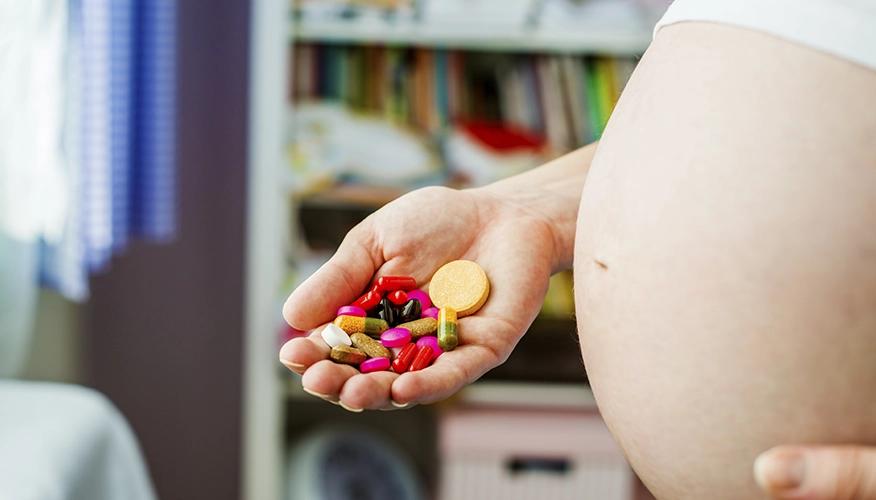
During pregnancy, your body isn’t asking for general support. It’s asking for very specific nutrients, each one playing a clear and direct role in your baby’s development and in your own health too. This isn’t about taking a bunch of supplements just for the sake of it, or dealing with complicated names. These are core nutrients, and if they’re missing or too low, they can leave a real impact. That’s why it’s important to look closely at the essentials, especially if you’re choosing best vegan prenatal vitamins. The details here truly make a difference.
Folate – not just any folic acid
Folate is one of the first things we think about during pregnancy, and for a good reason. It plays a key role in forming the baby’s neural tube, which develops very early sometimes before a woman even knows she’s pregnant. That’s why folate isn’t a “later on” nutrient, it’s a foundational one. What many people don’t realize is that not all forms of folic acid work the same way.
Some women’s bodies can’t properly convert synthetic folic acid into its active form that cells can actually use. So the dose may look fine on paper, but the real benefit is much lower. That’s why the active form, methylfolate, is often preferred in many cases. This is also why some doctors recommend specific best vegan prenatal vitamins over regular supplements, especially during the first months of pregnancy, because the effectiveness really matters here.
Iron – the most common challenge
Let’s be honest: iron is a constant struggle for most pregnant women, vegan or not. But with a plant-based diet, the challenge is a bit bigger because plant-based iron is naturally less absorbable. That’s not a flaw, it just needs a smarter approach. The idea isn’t to overload the dose. A good supplement is one that:
- Balances iron content with how well the body can absorb it
- Doesn’t cause stomach issues or uncomfortable constipation
- Includes nutrients that support absorption, like vitamin C
In many cases, a moderate dose works far better than a high dose the body can’t tolerate or benefit from. This is a key difference between a well-designed supplement and one that’s just “heavy for no reason.”
Vitamin B12 – non-negotiable
There’s no room for debate here. Vitamin B12 doesn’t naturally exist in plant-based foods. That’s a scientific fact, not a personal opinion. A deficiency during pregnancy doesn’t just affect the mother’s energy it can lead to:
- Severe fatigue and constant exhaustion
- Nerve and concentration issues
- Undesirable effects on the baby’s nervous system development
The risk is that B12 deficiency symptoms often appear slowly and quietly, until the issue becomes serious. That’s why any serious discussion about best vegan prenatal vitamins must include B12 as a core component, with a proper dose from a reliable source not just a tiny amount added for appearances.
DHA and Omega-3 – no fish, but done right
Especially in the second half of pregnancy, the baby’s brain and nervous system develop very rapidly, and DHA is directly involved in that process.
Vegans often rely on plant-based omega-3 sources, which are helpful, but not always enough on their own. The good news is that algae-based DHA is an excellent option and in many cases, even cleaner than fish sources because it’s free from contaminants. The key point is this: not all omega-3 automatically converts into DHA inside the body, and conversion rates can be quite low. That’s why having DHA directly included in vegan prenatal vitamins makes a real difference it’s not a minor detail.
Iodine and choline – the forgotten nutrients
These are nutrients many women don’t hear about until late, or don’t think to ask about at all. Iodine is essential for proper thyroid function, and thyroid imbalance during pregnancy can affect the baby’s neurological development. Choline, on the other hand, is extremely important for brain and memory development, yet it’s often overlooked.
The issue is that not all vegan supplements include these nutrients especially choline. That’s another reason why choosing vegan prenatal vitamins should be a thoughtful, informed decision, not a quick grab off the shelf. In the end, it’s not about taking “everything,” but about taking the right things, at the right time, and in a form your body can actually use.
Read also: Foods to Avoid During Pregnancy: What You Must Skip for a Safe Pregnancy
Are higher doses better?
The short answer: no and definitely not always.
During pregnancy, the body becomes more sensitive than usual, and everything going into it is carefully processed, whether it’s food or supplements. The point isn’t to take the “maximum dose.” It’s to take the dose that actually works.
Overdoing certain vitamins and minerals can be just as harmful as a deficiency sometimes even worse. With some nutrients, high doses are hard for the body to handle. This can put extra strain on the liver or kidneys, or cause side effects like constant nausea, headaches, or digestive issues things that are often misunderstood as just “normal pregnancy symptoms.”
The ideal prenatal vitamin during pregnancy is one that:
- Covers the body’s real needs without excess
- Takes absorption and how the body handles the nutrient into account
- Doesn’t overload organs responsible for metabolism, like the liver
- Helps the mother feel better, not more exhausted
That’s why choosing best vegan prenatal vitamins isn’t about chasing big numbers or the highest doses on the label. It’s a thoughtful decision based on balance. A good supplement supports pregnancy quietly without drawing attention through side effects, and without forcing the body to fix problems caused by unnecessary over-supplementation.
How do you choose the best vegan prenatal vitamins for you?
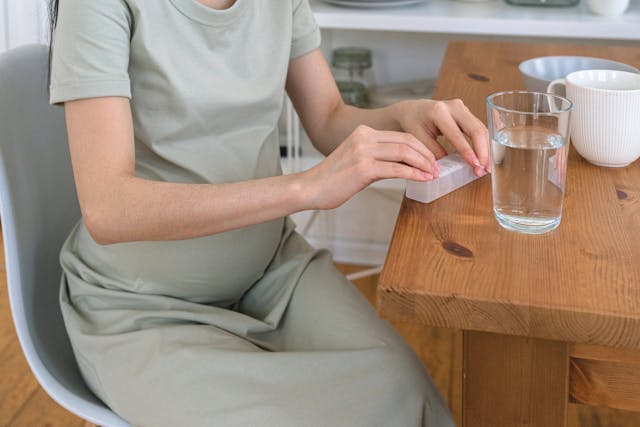
Choosing a prenatal vitamin isn’t a quick, on-the-go decision especially if you’re vegan. Every body is different, and every pregnancy has its own circumstances, so it doesn’t really make sense to rely on general recommendations or follow other people’s experiences blindly. Before buying any supplement, try to look closely at the formula itself, not the name or the packaging. Fancy branding and good marketing can be misleading, but what truly matters is what’s inside the capsule, in what form, and at what dose.
- Always ask about the form of the nutrient, not just whether it’s included.
Not all iron is the same, and not all folate works the same way. Some forms are easily absorbed by your body, while others are almost useless. Asking this question early can save you a lot of trouble later on.
- Once you start taking it, pay attention to how your body reacts.
Do you feel more energetic, or more exhausted? Is your stomach comfortable, or are you dealing with unusual nausea? Your body sends clear signals we just don’t always listen.
- If possible, periodic blood tests can be a very smart tool.
They don’t have to be frequent or monthly, but a simple test for iron, B12, or vitamin D can reassure you that you’re on the right track.
And in all cases, there’s no weakness or problem in involving a doctor or a nutritionist in the decision. On the contrary, it makes choosing the best vegan prenatal vitamins a conscious, reassuring step instead of a trial with unknown results.
In summary
Pregnancy isn’t a perfect stage, and you don’t have to be perfect either. If you follow a vegan diet, that’s a respectable and healthy choice but it needs awareness. Choosing the best vegan prenatal vitamins doesn’t mean you’re overly worried. It means you understand your responsibility and you’re doing your part the right way.
Read also: A Smart Postpartum Weight Loss Plan Without Harsh Diets
Frequently Asked Questions (FAQ)
Is there a vegan prenatal vitamin?
Yes. Vegan prenatal vitamins are available, but they must be specifically formulated for pregnancy. Being vegan alone isn’t enough the formula needs to include key nutrients like B12, iodine, choline, and DHA in absorbable forms to truly support pregnancy.
Highly rated prenatal vitamins usually have balanced doses, easy absorption, and fewer side effects. Ratings are helpful, but the best option still depends on individual needs, digestion, and nutritional status.
There isn’t a single “#1” company. Trustworthy brands focus on quality, transparency, and proper formulation rather than heavy marketing. For prenatal vitamins, safety and ingredient quality matter more than popularity.
Medical Disclaimer: Since nutritional needs vary from person to person based on health status, age, and medical history, we strongly recommend consulting your physician or a certified nutritionist before starting any new diet or changing your eating habits, especially if you have chronic conditions or are taking specific medications. Accordingly, the nutritional information provided in this article is for educational and informational purposes only and should not be considered medical advice or a formal diagnosis.