Best Postpartum Workout Routine for a Strong and Healthy Body
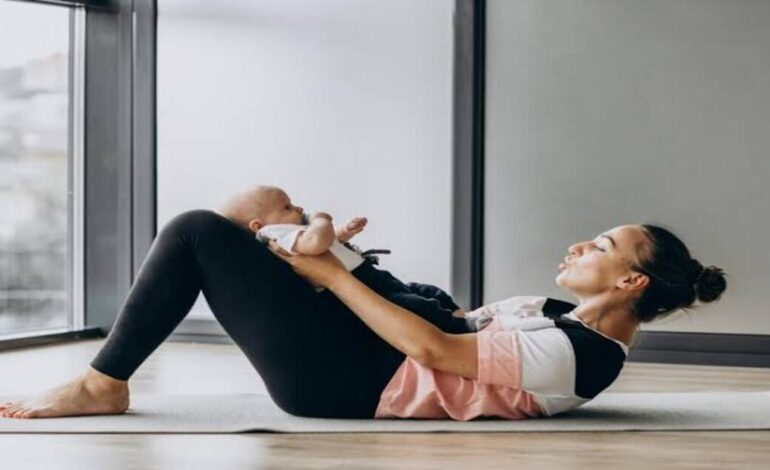
After giving birth, everything feels a bit messy. Your body has changed, your emotions go up and down, your sleep is all over the place, and on top of that, you feel this pressure to “go back to how you were.” Let me tell you something, from someone who’s been there: you are completely normal. There’s no rush, and you’re not supposed to bounce back fast. Postpartum workout aren’t a race, and they’re not a punishment for your body. They’re just a gentle way to help you feel stronger, lighter, and more comfortable in your body, step by step.
When should I start postpartum workout?
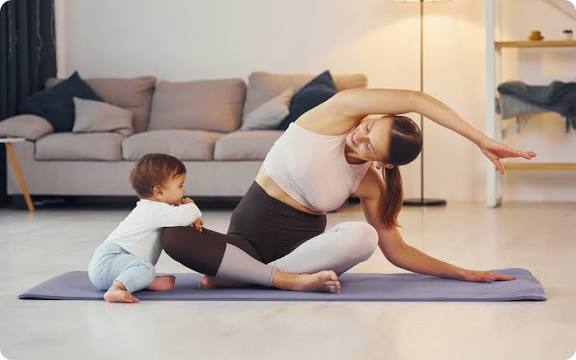
This question is very normal, and almost every woman asks it after giving birth, no matter how strong or athletic she was before pregnancy. The most important thing to know is that there isn’t one single answer that works for everyone, because every body goes through this Postpartum Workout in its own way.
After a vaginal birth
If your delivery was natural and without complications, your body usually just needs some time to wake up and reorganize itself. During the first two weeks, you’re not required to do anything except rest. Seriously. Even light movement, like walking around the house or doing a bit of gentle stretching, is more than enough.
After the second week, you can slowly start very light postpartum workout, such as:
- Easy, slow walking
- Breathing exercises
- Gentle movements to release the lower back and pelvis
There’s absolutely no rush. As for “real” workouts, those usually start around 4 to 6 weeks, and very gently. No jumping, no heavy effort, and no pressure on the abs. The goal is for your body to feel safe again, not pushed or punished.
After a C-section
A C-section is a bit different and needs more patience and kindness. Your body didn’t just give birth, it also had surgery. That’s why any exercise after childbirth during this time should be extremely gentle, and sometimes it’s more about movement than actual exercise. During the first 6 weeks:
- Light walking
- Deep breathing
- Gentle movements for the shoulders and neck
No abs, no straining, and nothing that makes the incision feel uncomfortable. From 6 to 8 weeks, and once you feel the scar has started to calm down, you can slowly add slightly more movement, step by step. And if one day you feel exhausted? That’s totally okay. Take a step back and continue later.
Most important of all: listen to your body, not the clock. Not social media videos, not people’s opinions, and not someone saying, “I started working out two weeks after birth.” If your body says, “wait,” then you wait. And if it says, “I’m kind of ready,” you move with it gently.
Read also: Prenatal Yoga: A Comprehensive Guide to Safe Yoga During Pregnancy, Step by Step
Benefits of Postpartum Exercises
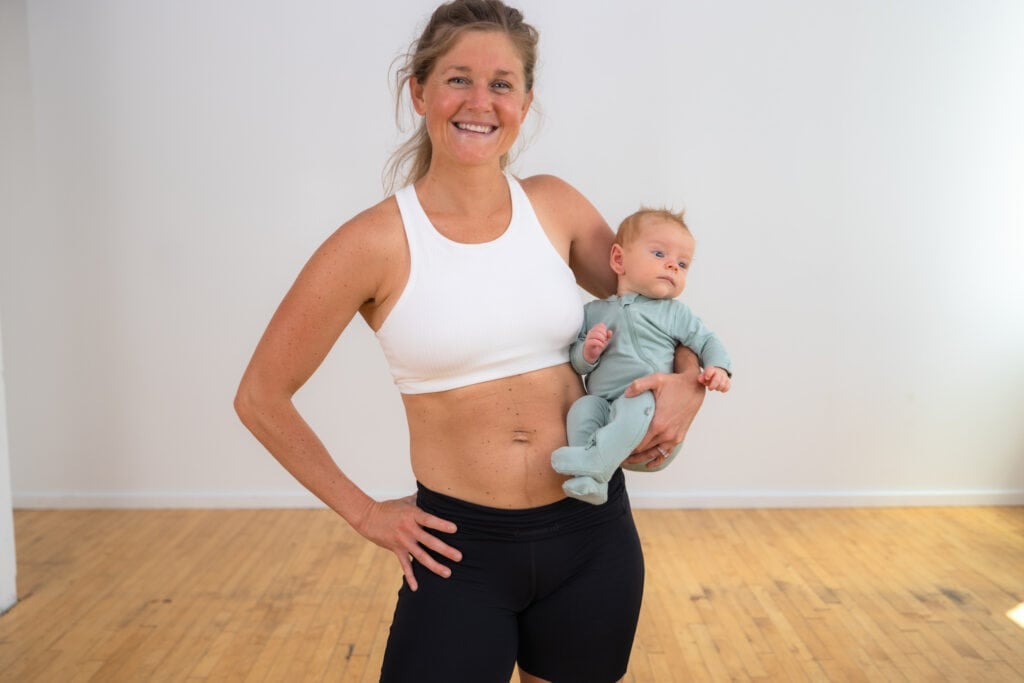
Postpartum Workout aren’t just “workouts,” and they’re not about “getting your body back.” They’re actually a gentle way to reconnect with yourself, little by little, without pressure or self-criticism.
- The first thing you usually notice is that your body starts to loosen up. The stiffness that comes from pregnancy, sitting a lot, carrying the baby, and breastfeeding slowly eases with gentle movement, making everyday motion feel a bit easier each day.
- There are also muscles that worked really hard during pregnancy, especially:
- Back muscles
- Abdominal muscles
- Pelvic floor muscles
Exercises help wake them up again, softly and safely, giving you a sense of support instead of pain.
- Back pain? That’s almost every new mom’s companion. Simple postpartum workouts help reduce it over time because your body starts to rebalance, and the strain isn’t all stuck in one area.
And mentally and this part really matters movement can lift your mood, even if it’s just a 10-minute session. It clears your head and gives you a feeling that there’s something just for you, not only for everyone else.
- Maybe the most important benefit of all: you start to feel like yourself again.
Not just “mom,” not just someone with responsibilities, but a woman with a body she’s learning to listen to and care for again.
And it’s important to remember:
- You don’t have to lose weight.
- Your body doesn’t have to change shape.
- It’s enough to feel lighter, calmer, and okay inside your body.
Important Safety Rules Before Working Out
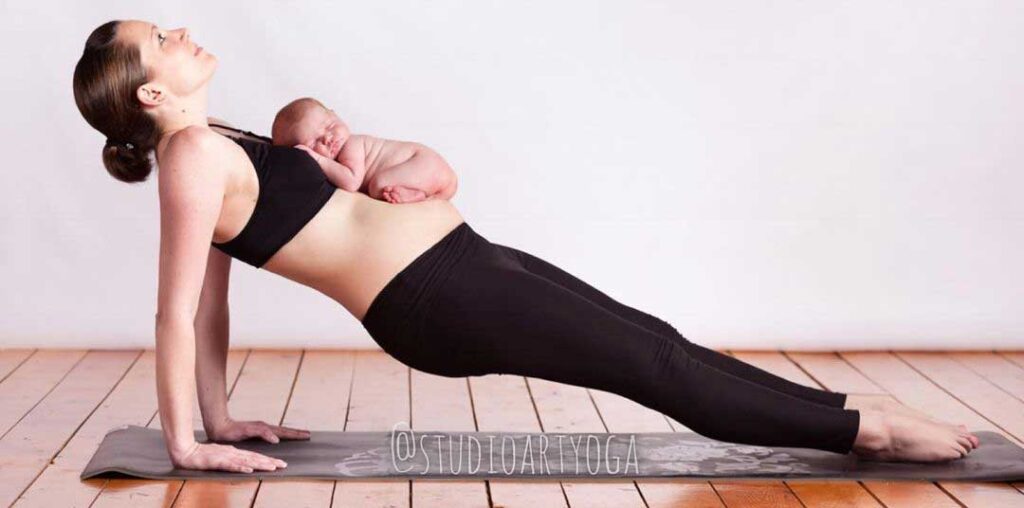
Before starting any Postpartum Workout, keep these points in mind and treat them as your personal safety guidelines:
If you feel unusual pain → stop immediately.
Not every kind of discomfort is normal. If the pain feels sharp, uncomfortable, or keeps getting worse, that’s your body saying, “wait a bit.”
If bleeding increases after exercise → slow down.
This is a sign that your body isn’t ready yet. Take a day or two to rest, and don’t feel guilty about it at all.
- No intense straining or jumping.
Even if you were used to hard workouts before pregnancy, your pelvic floor and core muscles need calm and care, not pressure.
- Focus on breathing more than speed.
If you’re out of breath and can’t talk while exercising, the workout is too intense.
- Ten minutes is more than enough at the beginning.
You don’t need long sessions. Small, consistent effort is much better than doing too much and exhausting yourself.
Best Postpartum Workout Routine (By Stage)
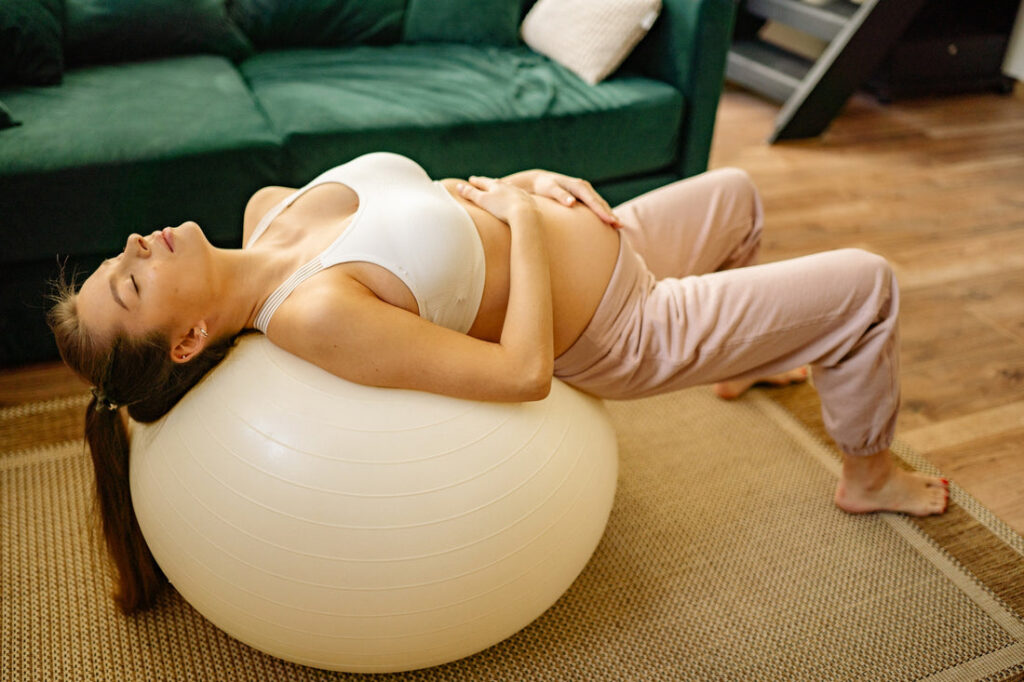
Let’s agree on one thing first: a postpartum workout routine isn’t a strict plan or a schedule you have to follow perfectly. It’s more like a roadmap. You move through it at your own pace and adjust it based on your day, your sleep, and your energy levels.
Stage One: The First 6 Weeks
At this stage, the goal isn’t burning calories or tightening anything. The goal is simply to gently wake your body up and help it recover from the shock it’s been through. In the beginning, just moving your body is an achievement. Even if you feel like you’re “not doing much,” trust me you are.
What works best in this stage:
Deep breathing: Breathe in through your nose and exhale slowly. It sounds simple, but it’s very powerful, especially for your core and pelvic area.
- Light walking at home: A small walk around the room or the living area. No step count, no speed. Just movement.
- Gentle neck and shoulder stretches: Carrying and breastfeeding put a lot of tension there. Soft movements can make a big difference.
- Pelvic floor exercises (Kegels): Very important, but do them calmly and without overdoing it.
How long?
10 to 15 minutes, every other day, is more than enough. And if there’s a day you don’t do anything? Totally okay.
Stage Two: From 6 to 12 Weeks
Here, your body starts to feel a bit more awake, and mentally you may feel calmer too. You might notice you can move more, but you still need to be gentle with yourself.
What you can add:
Faster walking: Still not running, just a bit more energy in your steps.
- Very light core exercises: No crunches. Focus on deep, internal muscles without pressure.
- Simple squats: No weights and no going too low. Proper form matters more than numbers.
- Stretching exercises: These help release tension and make you feel better after moving.
Stage Three: After 3 Months
If you feel good, have no pain, and your mood supports it, you can slowly expand your routine but still step by step.
Possible options:
- Bodyweight exercises: Like squats, lunges, and simple moves that activate your muscles.
- Light resistance: Small dumbbells or even a water bottle. Heavy weights aren’t needed.
- Gentle cardio: Faster walking, cycling, or any movement that feels comfortable for you.
The goal is never to exhaust yourself. The goal is to move in a way that feels good and stop the moment your body says, “that’s enough.”
Always remember: postpartum workout aren’t a checklist to complete. They’re a conversation between you and your body and both of you deserve kindness.
Best Exercises for Postpartum Recovery
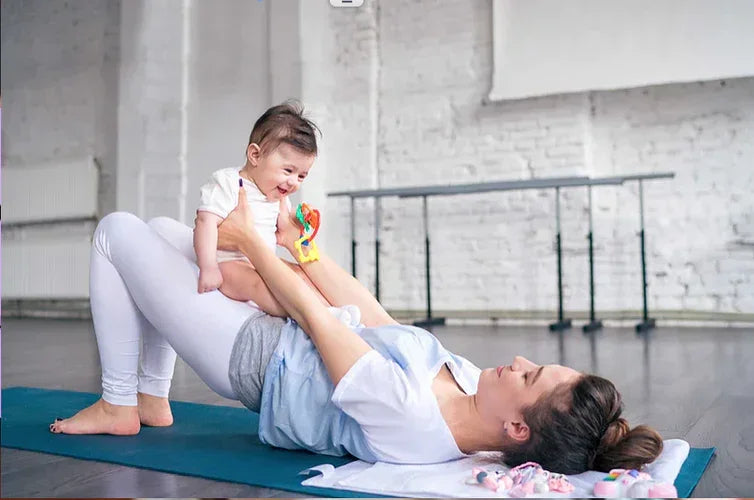
After giving birth, your body doesn’t need “hard workouts.” It needs someone to listen to it, understand it, and move with it step by step. That’s why there are certain exercises that are considered the foundation the base that any postpartum workout should be built on. These exercises are safe, simple, and suitable for any woman, whether she had a vaginal birth or a C-section, of course based on her own ability.
Pelvic floor exercises (Kegels)
This is the first and most important step after delivery and that’s not an exaggeration. The pelvic floor muscles go through a lot during pregnancy and birth, and neglecting them afterward can cause long-term issues.
Benefits:
- Strengthens the pelvic floor muscles
- Reduces the feeling of heaviness
- Improves control
- Prepares the body for any future workouts
How to do them:
Tighten the muscles as if you’re trying to stop the flow of urine, hold for a moment, then relax. Do it gently, without tightening your stomach or thighs.
How many times a day?
A little and consistent is much better than doing too much at once.
Breathing exercises
They might seem simple, but honestly, they’re the cornerstone of any successful postpartum workout routine. Pregnancy changes the way we breathe without us noticing. Proper breathing after birth:
- Activates the deep core muscles
- Relaxes the pelvic area
- Calms the nervous system
How:
Take a deep breath through your nose, let your belly expand, then slowly exhale through your mouth. You can do this while sitting, lying down, or even while holding your baby. This exercise alone counts as a solid exercise after childbirth.
Deep core (abdominal) exercises
Here we need to pause for a second: we’re not talking about crunches, intense tightening, or “getting your belly back.” Deep core exercises target the inner muscles, whose job is to:
- Protect your lower back
- Stabilize your body
- Help your belly return gradually and naturally
These exercises treat your abdomen gently, without pressure or pain, which is what makes any workout after delivery actually helpful not harmful.
Gentle stretching for the back and shoulders
Postpartum back pain isn’t “being dramatic.” It comes from:
- Lifting
- Breastfeeding
- Poor posture
- Lack of sleep
Light stretching for the back and shoulders:
- Releases tension
- Reduces pain
- Makes movement easier
Stretch slowly, with your breath, and stop the moment your body feels uncomfortable.
How to organize these exercises
If you’re not sure what to do or when, try this order:
- Breathing
- Pelvic floor exercises
- Deep core exercises
- Gentle stretching
10–15 minutes a day is more than enough. It doesn’t have to be every day, and it doesn’t have to be all of them at once.
The most important thing to remember: these exercises are not meant to
- Make you lose weight
- Tighten your body
Or make you “go back to how you were”
They’re meant to:
- Protect your body
- Help it relax
And make any postpartum workout later easier and safer
Read also: Pregnancy Workout Plan: Safe Exercises for Every Trimester
Exercises to Avoid After Giving Birth
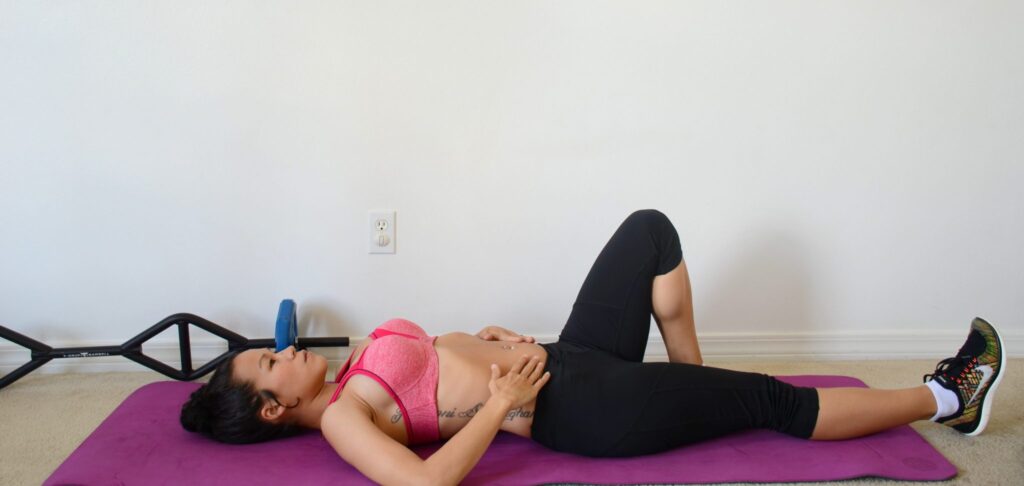
After delivery, not every exercise is suitable, even if you used to work out before pregnancy. Some exercises may look normal, but at this stage they can stress your body instead of helping it. Pay attention to the following and try to avoid them in the beginning:
- Heavy crunches: Any exercise that puts strong, direct pressure on the abs isn’t a good idea early on. Your abdominal muscles are still recovering, and that kind of strain can increase weakness instead of building strength.
- Jumping exercises: Jumping puts a lot of pressure on the pelvic floor, which is the last thing your body needs during this phase.
- Intense or fast running: Running is tough on the joints and the pelvic area, especially when your body isn’t fully stable yet. Brisk walking is a much safer option at first.
- Long planks: Planks are a powerful exercise, but they’re too advanced early after birth. If done before your core and pelvic floor are ready, they can cause strain instead of benefits.
Any exercise that makes you feel pressure or heaviness in the pelvic area:
That feeling is a clear message from your body. The moment you notice it, it means this exercise isn’t right for you right now.
The whole idea is to understand this: it’s just not the time yet and that’s okay. You’re not falling behind. Every exercise has its moment, and patience is what makes returning to fitness safe and comfortable, not exhausting.
Do exercises help with weight loss after birth?
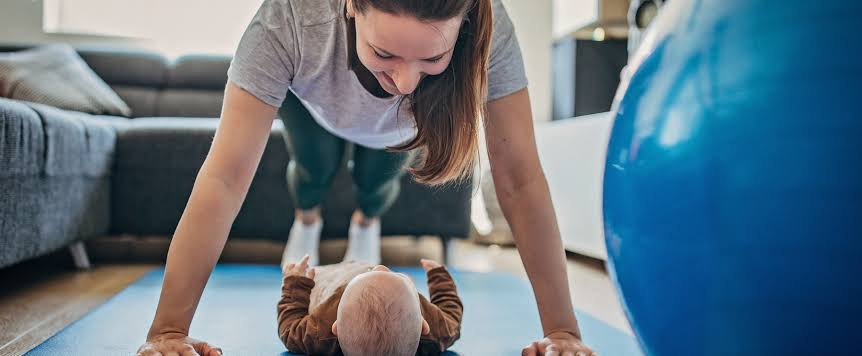
Honestly?
Yes… exercise does help, but not quickly, and not in the same way for everyone.
After giving birth, your body is still balancing hormones, healing, and slowly finding its way back to normal. That’s why any weight loss during this period tends to be gradual and that’s completely natural. The main role of exercise here isn’t “losing weight.” Its real job is to:
- Rebalance the body
- Strengthen muscles
- Improve movement
- Help your body feel more comfortable in its shape
Exercise after childbirth isn’t a punishment or a way to “fix” yourself. It’s support for your body during a very sensitive phase. Some days you’ll feel lighter, and other days the scale won’t move at all and that’s not failure. It’s just your body taking its time.
Real, lasting weight loss comes when:
- Your body is ready
- Your mental state is calmer
- Your sleep and eating habits improve a bit
- Not from pushing yourself with intense workouts or strict dieting.
Exercise and Breastfeeding
Yes let me reassure you right away: you can exercise and breastfeed normally, there’s no conflict between the two. A lot of moms worry that working out might affect their milk supply or reduce it, but the truth is that light to moderate exercise is safe. What can actually cause problems is overexertion, not exercise itself.
To feel more confident, keep a few simple things in mind:
- Drink plenty of water: Your body needs fluids, especially when breastfeeding and exercising together. If you feel thirsty, that’s a clear sign you need more water.
- Eat well and don’t eat below your energy needs: This isn’t the time for restriction or harsh diets. Balanced food helps your body keep going, not slow down.
- Work out after breastfeeding: This is usually more comfortable for you and your baby, and it helps you exercise calmly without worry.
- If you feel exhausted, stop immediately: Fatigue at this stage is a message, not something to push through. Rest is part of taking care of yourself.
- Keep this rule in mind: exercise doesn’t ruin your milk supply stress, not eating enough, and lack of sleep do. Do what you can, and let exercise support you, not become an extra burden on you.
Common Mistakes Many New Moms Make
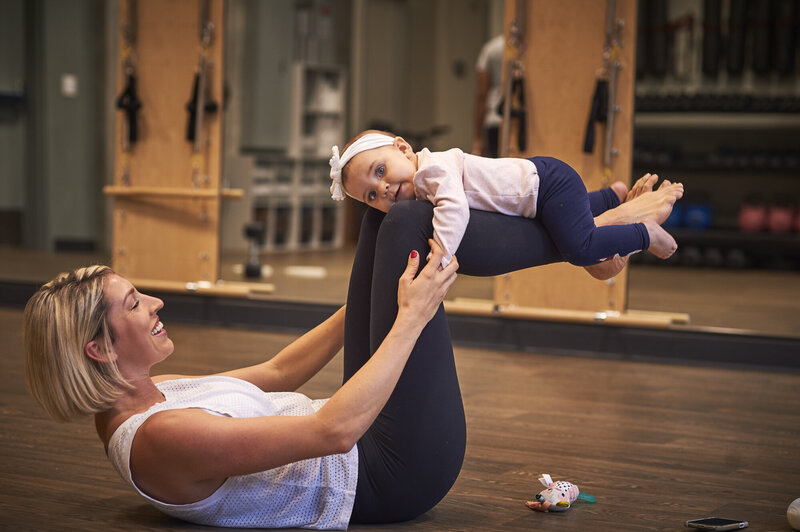
Let me be honest with you almost all of us fall into these mistakes at some point. There isn’t a single new mom who does everything “right” 100%. And that’s okay… normal… human. Here are the most common mistakes that happen again and again:
- Comparing yourself to others:
You see someone who got back to working out quickly or whose body “bounced back,” and you start feeling behind. But the truth is, every body has its own journey and its own timing. Comparison here hurts more than it helps.
- Rushing the results:
We get excited at the beginning and expect big changes fast. When that doesn’t happen, we feel discouraged. A postpartum body needs time, not orders.
- Ignoring fatigue:
Sometimes we keep exercising even when we’re exhausted because we feel like we “have to.” This is one of the biggest mistakes. Fatigue is a message, not something to push through.
- Doing too much exercise:
We think more is better. After childbirth, it’s actually the opposite. Small, consistent effort is far better than overdoing it.
- Feeling guilty for skipping a workout:
A day without exercise isn’t failure. It’s just a normal day in a mom’s life.
In the end, remember this clearly: you’re a mother, not a machine. Your body needs compassion, your mind needs kindness, and every small step you take counts for you, not against you.
Conclusion
Let me end by telling you this: you’re not behind, you’re not broken, and you don’t need to be “fixed.” Your body carried a life and that’s a huge achievement. Postpartum workouts aren’t about becoming an old version of yourself. They’re about becoming a kinder version of you. Take things slowly. You are enough exactly as you are right now.
Read also: Pregnancy Workout Program: Your Complete Guide to Safe & Effective Prenatal Fitness
Frequently Asked Questions
How long before I can work out postpartum?
There isn’t one timeline that works for every woman. After a vaginal birth, light movement can usually start after about two weeks, while more structured workouts often begin around 4 to 6 weeks. After a C-section, it usually takes a bit longer around 6 to 8 weeks and everything should be done gently. What matters most is listening to your body, not following a fixed number.
Can I do squats 2 weeks postpartum?
Usually, no it’s a bit too early. At two weeks postpartum, your body is still healing, especially the pelvic area. If you want to do squats, it’s better to wait, then start with very gentle movements, shallow depth, and only when you feel your body is ready.
What are common postpartum mistakes?
Some of the most common ones are:
- Rushing into exercise
- Comparing yourself to others
- Ignoring fatigue
- Doing intense workouts too early
- Feeling guilty for resting
These are very human mistakes, and they don’t mean you’ve failed. On the contrary, being aware of them is the first step in the right direction.
Physical Safety Disclaimer: The exercises presented here are intended for general guidance only. Engaging in physical activity may involve risks of injury if not performed correctly or if the exercises are not suited to your physical capabilities. Please consult a qualified fitness trainer or a medical professional to ensure these exercises are appropriate for your health condition. Stop exercising immediately if you experience pain or dizziness. Your participation in these exercises is at your own risk.