Benefits of Pregnancy Massage and How to Choose a Safe Technique for You

At some point during pregnancy, you start to feel like your body is heavier than you ever expected. Your back hurts, your legs swell by the end of the day, and sleeping becomes difficult and uncomfortable. On top of all that, there’s that quiet worry inside you: Is what I’m feeling normal? And is there anything I can do to feel better without harming my baby? This is where pregnancy massage comes in as a calm, safe space where you can finally breathe. It’s not a luxury or unnecessary pampering it’s simply a moment to listen to your body when it’s asking for real, gentle support.
What is pregnancy massage?
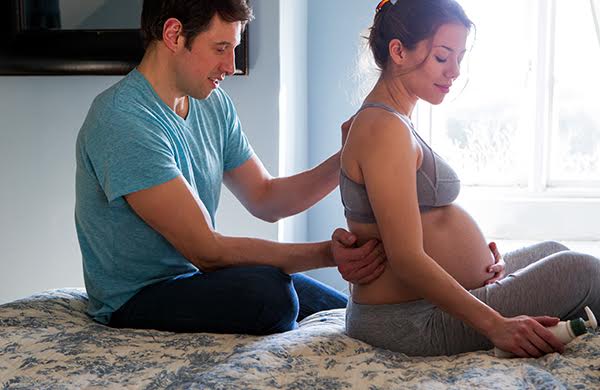
Through my work and experience with pregnant women at different stages of pregnancy, I can honestly say that pregnancy massage is not at all like a regular massage you might get after a long, tiring day. During pregnancy, your body is literally changing week by week, so you can’t treat it with the same mindset or the same pressure.
The touch here is gentler, and much more mindful. There’s no pressing hard to “work out knots” or force tension to release. The whole idea is to listen to your body before even touching it. Some days your back feels heavy, other days your legs are swollen, and on some days you just need to calm down and feel reassured. The massage is adjusted to how you feel that day not the other way around.
The positions are completely different too. There’s no lying on your stomach, of course. Most of the time, side-lying or a semi-reclined position is used, so your belly stays comfortable and there’s no pressure on it. Even the pressure itself is very carefully controlled not strong and not painful. The goal isn’t to stress your muscles more, but to ease the load your body has been carrying all day.
The main differences between pregnancy massage and a regular massage are:
- No deep pressure on the lower back or sensitive areas that could cause discomfort.
- No sudden or aggressive movements.
- The focus is on improving circulation, reducing swelling, and easing that heavy feeling that increases as the months go by.
In short, this massage is designed to care for your emotional state before your physical one. Its first goal is for you to feel safe, relaxed, and calm. Comfort then comes naturally without forcing it or using pressure. It’s about supporting your body during a time when it’s working beyond its usual limits, not trying to “fix” it or change it.
Read also: Pregnancy Workout Plan: Safe Exercises for Every Trimester
The real benefits of pregnancy massage
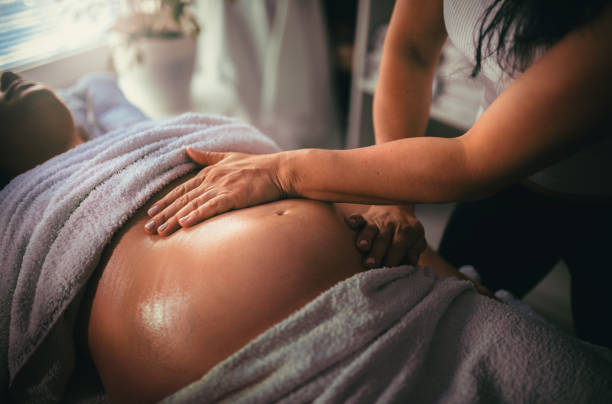
One thing I always like to explain is that pregnancy massage isn’t a magic solution, and it won’t suddenly erase all the discomfort of pregnancy. But its real impact shows up gradually, and that’s exactly what many women truly feel.
- Relieving back and pelvic pain
As your belly grows, your body’s center of gravity shifts, and most of the pressure ends up on your back and pelvis. The massage doesn’t make the pain disappear completely, but it helps release the tension that keeps the pain lingering. Many women have told me it was the first time they felt their back “let go” a little, and that moving became easier. Even if the change feels small, during pregnancy, that small difference matters a lot.
- Better sleep
One of the most common complaints I hear is: “I can’t sleep.” After a well-done massage session, the body calms down and breathing becomes more relaxed, which makes sleep come more naturally. Many women who used to wake up constantly started sleeping longer hours, or at least their sleep became deeper and less interrupted than before.
- Reducing stress and anxiety
Pregnancy isn’t just physical exhaustion it’s mental pressure too. Overthinking, fear, and anxiety about what’s coming next. Gentle touch helps calm the nervous system and sends a simple message to the body: “You’re safe.” This effect shows clearly in mood, emotional balance, and even in how the whole day feels.
- Feeling better connected to your body
During pregnancy, many women feel like their body suddenly changed and became heavy or unfamiliar. Massage helps bring back that sense of connection. You start to feel that you understand your body, listen to it, and accept it. That feeling alone can make a huge difference in confidence and emotional comfort.
Is pregnancy massage really safe?

This is a very normal question, and almost every pregnant woman asks it. The honest answer, without sugarcoating, is: yes, pregnancy massage can be safe but not for everyone, and not at any time. Safety isn’t about the massage itself, it’s about the timing, the technique, and the condition of the pregnancy.
It’s considered safe when:
- The pregnancy is stable, with no issues like bleeding, ongoing contractions, or medical warnings.
- You’ve passed the first trimester, or you have clear approval from your doctor if it’s earlier than that.
- The massage is done gently, without strong pressure, and without any pain or discomfort.
Pregnancy massage is supposed to make you feel better, not force you to “push through” or benefit against your will. You should stop or postpone it immediately if you feel:
- Sudden dizziness or a feeling like you might faint
- Sharp pain, unusual tightness, or strange cramps
- Any bleeding, even if it’s light
- Contractions that come regularly or close together
These are your body’s way of saying, “Stop here.” During pregnancy, your body is smarter than any general advice. If something doesn’t feel right if it seems small stop. Listen to your body; it’s always the first to tell the truth.
How to choose a safe pregnancy massage technique for you
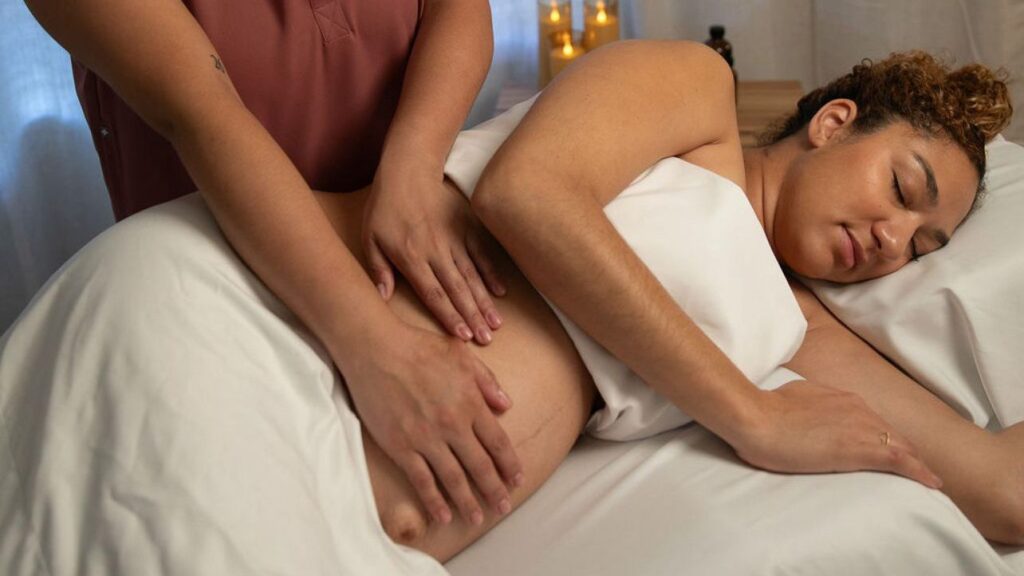
The most important thing to be clear about from the start: there is no single “best pregnancy massage” technique that works for every woman. Every body is different, every pregnancy has its own conditions, and even the same woman’s body changes from one month to the next.
First: based on the stage of pregnancy
- Middle months (4th–6th month)
This is usually the time when the body feels relatively more balanced. You can often handle slightly longer sessions and wider movements, but still with calm, gentle pressure. The focus here is usually on the back, pelvis, and neck, since these areas carry most of the body’s weight.
- Last months (7th–9th month)
At this stage, the body feels heavier and more sensitive. Shorter, softer movements with more breaks are better. Supporting the belly and lower back becomes very important, and there’s no need for a long session if your body gets tired or restless quickly. It’s not about how long the session is it’s about how you feel afterward.
Second: based on your body type
- If you have fluid retention or swelling
Light, slow touches work best. Strong pressure can be uncomfortable or make the heavy feeling worse. Gentle upward movements make a much bigger difference here.
- If your tension is more muscular and tight
In this case, slow, deeper movements can help, but without squeezing or painful pressure. The feeling should be “relief with a light stretch,” not pain or something you have to endure.
One very important point: there are no promises here. Pregnancy massage helps, eases discomfort, and brings relief but it won’t change the nature of pregnancy or erase all the tiredness completely. If you leave the session feeling even a little better, both mentally and physically, then that technique is right for you. Your body is always the real guide, not theory or words.
Read also: How to Choose a Pregnancy Safe Protein Powder Without Risks
Self-massage during pregnancy
You don’t always need a full massage session or someone else to help you. Many times, just a few quiet minutes using your own hands can ease the exhaustion of an entire day especially when it’s done gently and at the right moment.
Safe areas where you can massage yourself:
- Neck and shoulders
Neck and shoulder tension is very common during pregnancy, especially with poor sleep. Light circular movements using your fingertips are more than enough. There’s no need to squeeze or press hard.
- Lower legs
If your legs feel swollen or heavy, gentle upward strokes from bottom to top can really help. The goal is to support circulation, not to press or work the muscles deeply.
- Hands and feet
A simple massage of the palms or the feet can calm the whole body. Just keep the pressure light, and don’t focus strongly on specific points especially on the feet.
Common mistakes many pregnant women make:
- Using strong pressure, thinking it means “more benefit.”
It’s actually the opposite. During pregnancy, gentleness works better than force.
- Using oils with strong scents.
Your body is more sensitive during this time, and strong smells can cause discomfort or headaches. A light, unscented oil or one with a very mild scent is best.
- Massaging when you’re extremely exhausted.
If your body is asking for sleep or deep rest, massage isn’t a replacement. Sometimes the best thing you can do is stop everything and rest.
Self-massage during pregnancy isn’t about performance or sticking to a strict routine. It’s simply a way to connect with your body. Listen to how you feel, and always keep your touch gentler than you think you need.
What is perineal massage?
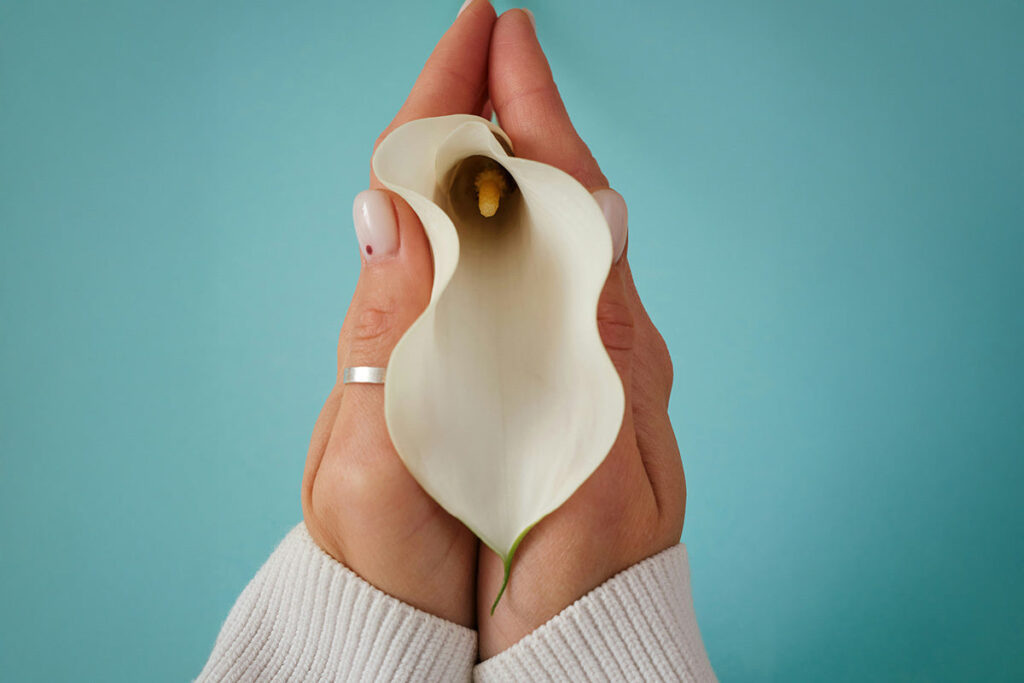
As the due date gets closer, the way we look at our bodies starts to change a bit. We begin to need understanding more than fear. Perineal massage is a gentle massage of the area between the vagina and the anus. The goal isn’t pain or pressure, but helping the tissues prepare to stretch naturally during childbirth.
It’s actually simpler than it sounds. There’s nothing awkward or strange about it it’s just body awareness at an important stage. Instead of this area feeling like a surprise during labor, the massage helps you get used to the sensation of stretching. That familiarity can bring a sense of control and confidence instead of anxiety.
From my experience, many women felt less tense about childbirth once they understood this massage properly. They started to feel that their body wasn’t working against them on the contrary, it was preparing along with them, step by step. The whole idea is to have a calmer relationship with your body, to understand what’s coming, without fear or putting pressure on yourself.
Why is perineal massage recommended before childbirth?
The main reason is that when the body is prepared calmly, it responds better when the important moment comes. Perineal massage isn’t something magical, but it’s a simple step that makes a real difference for many women.
- Reducing the risk of tearing
Tissues that get used to stretching gradually tend to be softer and less likely to tear suddenly during birth. It’s not a guarantee, but for many women, the risk is lower.
- Improving tissue flexibility over time
Instead of stretching happening all at once and in a sudden way, massage helps the body adjust little by little. The sensation itself becomes familiar rather than shocking.
- A sense of control and confidence
Many women told me that the biggest change wasn’t just physical, but emotional too. Instead of childbirth feeling like something unknown and scary, they felt more aware of their bodies and more involved in the preparation rather than just waiting for things to happen.
How to do perineal massage safely
Before getting into any details, the most important thing to remember is this: perineal massage should be a calm, reassuring experience not something you do while feeling stressed or rushed. If you’re not emotionally comfortable, that alone is a good enough reason to postpone it.
When should you start?
Usually around week 34 of pregnancy, or at the time your doctor feels is right for your situation. There’s no need to rush this is about gradual preparation, not racing against the clock.
How often should you do it?
About 3 to 4 times a week is more than enough. There’s no benefit in doing it every single day if your body isn’t responding well. Gentle consistency matters more than frequency.
What sensations are normal during the massage?
- A light pulling or stretching feeling
- A sense of tissue opening or expanding
- Mild discomfort that fades after a short time
These sensations are normal and usually lessen with time. But there are sensations that are not normal and mean you should stop immediately:
- Sharp pain or discomfort that makes you tense your body
- Strong burning sensations
- Ongoing discomfort even after you finish
If this happens, stopping isn’t weakness or failure. Stopping is wisdom. Your body knows its limits at this stage better than anyone else. Do the massage when you’re relaxed, in a quiet moment, and without pressuring yourself. Real preparation for childbirth starts with kindness and respect not force.
When should you consult a doctor?
Even though massage can be supportive and comforting, there are situations where you should stop and check with your doctor without hesitation because safety always matters more than temporary relief. Consulting a doctor is important if:
- The pregnancy is high-risk, or there’s a previous history of pregnancy complications
- There are infections, bleeding, or unusual discharge
You feel any physical or emotional discomfort during or after the massage, even if it feels mild or you’re not sure why
Sometimes the body doesn’t say “pain” clearly it just says, “I’m not comfortable.” That signal should always be taken seriously. Always remember: massage is a tool for support and comfort, not a treatment, and not a replacement for medical care. When self-care and medical follow-up go hand in hand, you’re truly safer.
Conclusion
Pregnancy is not a test of strength, and it’s not an endurance race. It’s a journey of deep change, and your body is doing an incredible amount of work every single day. Whether you choose pregnancy massage, stick to simple, gentle touches at home, or decide to try perineal massage later on the most important thing is that you feel you’re listening to your body and respecting it. No pressure, no comparisons, just kindness toward yourself. And that, on its own, is more than enough.
Read also: Pregnancy Meal Plan: The Best Nutrition Guide to Support a Healthy Mom and Baby
FAQ
Yes, pregnancy massage is safe when the pregnancy is stable and the massage is gentle. Always stop if you feel discomfort and consult your doctor if unsure.
Most women start after the first trimester, around week 13, unless a doctor advises otherwise.
Gentle pregnancy massage and light self-massage for relaxation and circulation are allowed. Avoid deep pressure and strong techniques.
Physical Safety Disclaimer: The exercises presented here are intended for general guidance only. Engaging in physical activity may involve risks of injury if not performed correctly or if the exercises are not suited to your physical capabilities. Please consult a qualified fitness trainer or a medical professional to ensure these exercises are appropriate for your health condition. Stop exercising immediately if you experience pain or dizziness. Your participation in these exercises is at your own risk.