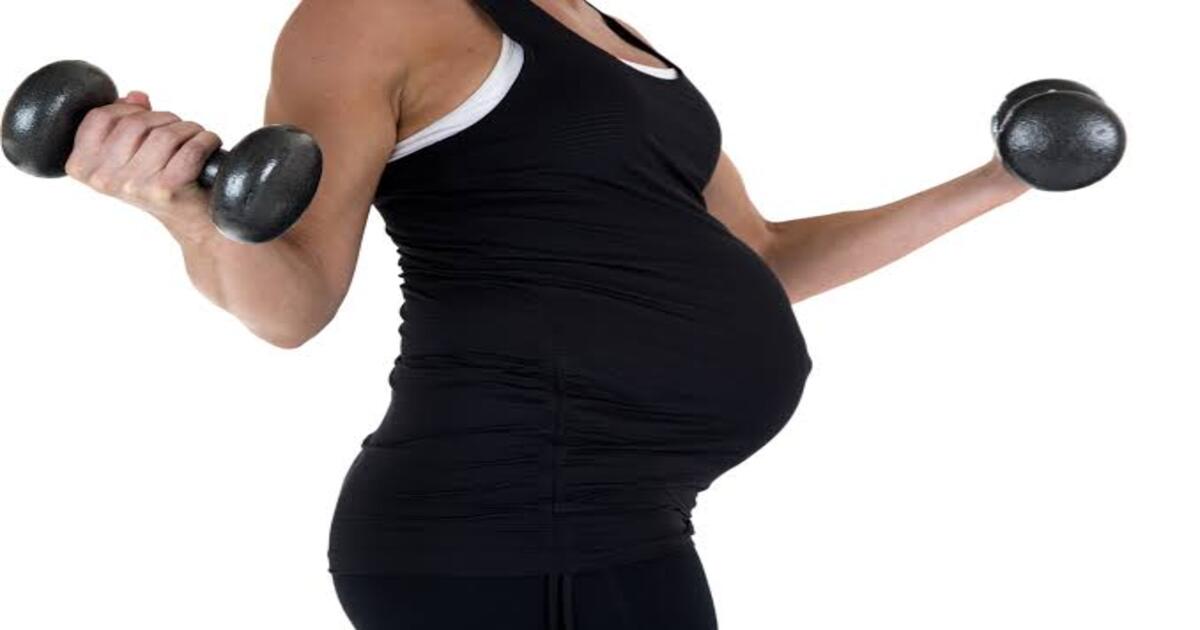
A Smart Postpartum Weight Loss Plan Without Harsh Diets
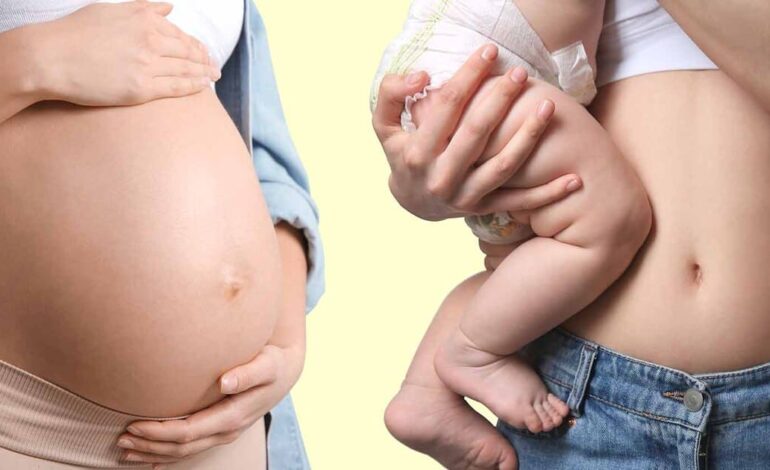
Let me tell you something honestly from the start: your body after childbirth doesn’t need punishment. It doesn’t need extreme restriction, strict diets, or a race with the scale. What it really needs is understanding. A bit of patience. And a smart plan that works with your body, not against it. And yes, a postpartum weight loss plan is totally possible but not in the way most people talk about it.
I’ve seen many women after giving birth, and every single one has a different story. One wakes up exhausted even after a good night’s sleep. Another feels hungry all the time. A third barely feels like eating, yet her weight doesn’t change. There’s no one-size-fits-all model, and that’s the first mistake we usually make.
Why is postpartum weight loss such a sensitive topic?
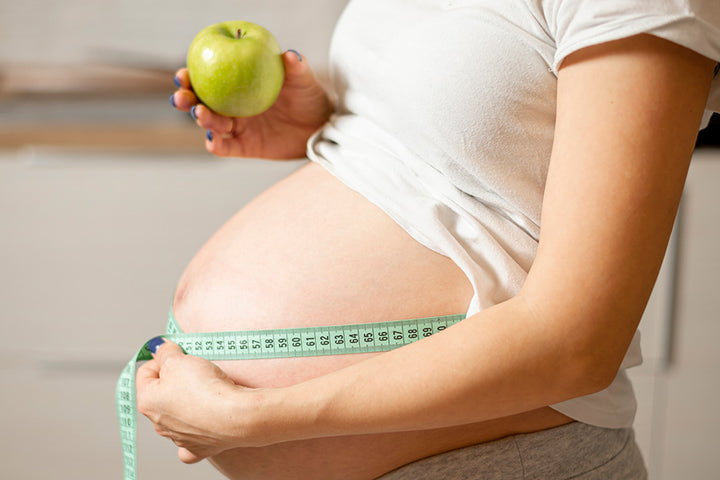
After giving birth, your body is just coming out of a heavy experience physically and emotionally. It’s not just pregnancy and delivery. It’s a full hormonal shift, broken sleep, accumulated fatigue, and a brand-new responsibility that suddenly enters your life with no warning. Some days you feel okay. Other days, the smallest thing can make you cry or completely drain you. And that’s very normal, even if no one told you that before.
The pressure that comes with the idea that you “have to go back to how you were” quickly can be harsh. As if your body is expected to erase months of change in just a few weeks. That pressure usually creates stress, frustration, and guilt more than real results. That’s why many women start a postpartum weight loss plan feeling excited, then shortly after feel like they failed when the problem was never them to begin with.
The truth that’s rarely said out loud is that fast weight loss after childbirth is often temporary. The weight drops, makes you happy for a bit, then quietly comes back… sometimes even more. At that point, the body is in defense mode, not ready to lose its energy reserves all of a sudden.
Slow weight loss, on the other hand the kind that takes its time and respects what your body is going through is what actually lasts. That’s what continues. And that’s exactly the core of any smart weight loss plan: moving step by step with your body, not running ahead and leaving it behind.
Read also: Pregnancy Diet Plan: A Complete Guide to Healthy Eating for Expecting Moms
A Different Way to Think About a Postpartum Weight Loss Plan
A smart plan doesn’t mean a strict schedule stuck on the fridge, or weird meals that need time, effort, and the perfect mood. It doesn’t mean waking up every day to a special food alarm, or living with the constant feeling that you’re “doing something wrong.” A real postpartum weight loss plan is much simpler than that.
It’s about building a flexible routine that actually fits into your real day not the perfect, polished day we see on social media. Your real day, where a baby suddenly starts crying, plans fall apart, sleep is short, and sometimes a meal is eaten standing in the kitchen or in a rush. That’s not failure. That’s real life.
A smart plan understands that some days you’ll feel focused, and other days your mind will be all over the place. It allows mistakes and helps you keep going instead of making you stop completely. It’s built on consistency, not perfection. Because any weight loss plan based on unrealistic perfection will break the moment you hit a tiring week and that’s completely normal, not a personal weakness.
The idea is simple: the plan should move with you, not make you chase it while you’re already exhausted. When it feels like part of your life, not an extra burden added on top of everything else, that’s when you actually stick with it.
First: Food Without the Drama
Let’s calm things down a bit. Food after childbirth is not your enemy, and it’s not the reason behind everything that feels wrong. At its core, food is a source of energy, comfort, and sometimes emotional relief from exhaustion, lack of sleep, and the pressure of long days. And that’s completely normal. Your body has been through a huge experience it deserves time, and you deserve to eat without carrying constant guilt.
The problem isn’t food itself. The problem is the relationship with it. A smart postpartum weight loss plan doesn’t start with restriction. It starts with understanding understanding what your body truly needs, and what actually satisfies and supports it instead of draining it.
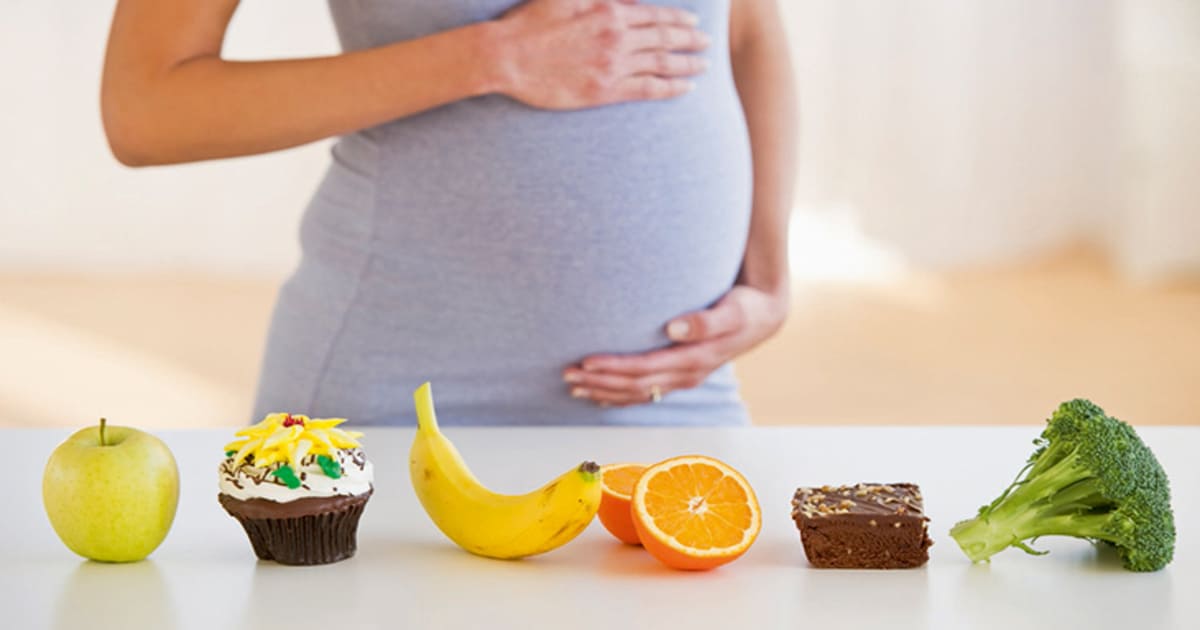
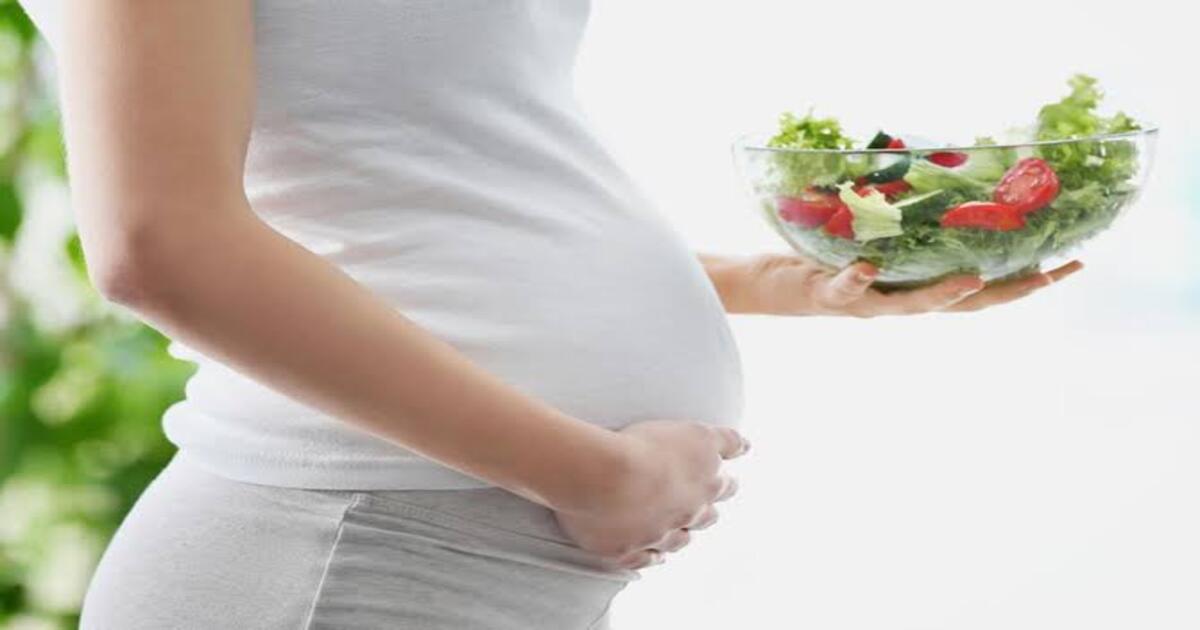
Try to focus more on quality, not just quantity all the time:
- Protein: It keeps you full longer and helps your body recover and maintain muscle. Eggs, chicken, lentils, yogurt simple, accessible foods with a big impact.
- Smart carbs: Not all carbs are bad, no matter what we were told for years. Oats, potatoes, and whole-grain bread provide steady energy, not a quick spike followed by a crash.
- Healthy fats: They matter for your hormones, your mood, and your sense of fullness. A little olive oil, a handful of nuts, or half an avocado can make more difference than you’d expect.
You don’t need to ban foods or live in a constant “allowed vs. forbidden” mindset. Just keep this simple question in mind before you eat: Will this meal give me energy for a while, or will it leave me feeling tired and drained an hour later? That question alone can gently guide your choices without stress, and without turning food into a battle.
Second: Small Meals Are Practical, Not a Luxury
Instead of trying to manage three heavy meals in a day when your mind is already pulled in a thousand directions, small meals are often the smarter, easier option. Four or five light meals spread throughout the day aren’t indulgent or unnecessary they’re a practical way to match the rhythm of life after childbirth, especially when time is limited and energy isn’t always at its best.
Small meals help keep your energy steady and reduce sudden hunger attacks that hit late in the day. That moment when you find yourself standing in front of the fridge, overly hungry and ready to eat anything fast? That usually happens because your body went too long without food.
A simple snack can make a big difference, and it doesn’t have to be complicated:
- A handful of nuts
- Yogurt
- A piece of fruit paired with some protein
These small options act like a “pressure release.” They calm your hunger and help you make calmer choices when it’s time for a main meal. This is a key part of any successful weight loss plan, because a plan that lets you reach extreme hunger often falls apart without you even noticing.
The goal isn’t to eat all day or feel tied to food. It’s to prevent your body from reaching the point where it demands a large amount of food all at once. When hunger is balanced, decisions feel easier and staying consistent feels much more manageable.
Third: Movement Without the Big Word “Exercise”
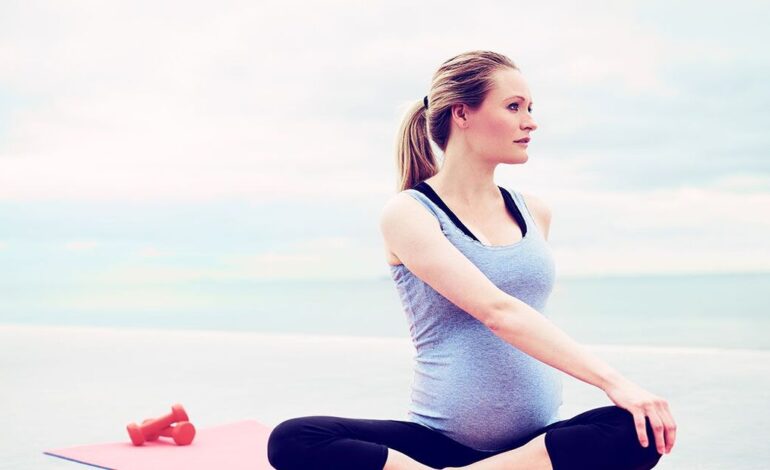
Not every woman after childbirth is ready for the gym. And not every body is prepared to jump, push, or strain itself. That’s not a problem that’s normal. Your body is still healing, and your daily energy isn’t always stable, so the idea of “I have to work out” can sometimes feel like a burden instead of help.
Movement here doesn’t mean:
- A gym membership
- Special workout clothes
- Blocking out a full hour every day
- Or doing something that makes you feel guilty if you don’t stick to it
Movement can be much simpler than that:
- A light walk, even if it’s just ten minutes
- Gentle stretching to loosen your body
- Playing with your baby on the floor
- Doing housework at a slightly faster pace instead of moving slowly
Any movement that wakes your body up, gets the blood flowing, and makes you feel alive counts. You don’t have to burn calories or hit goals. Just moving and breaking the stiffness is more than enough at this stage.
And even more important than movement itself? Don’t feel guilty if a whole day passes with no movement at all.
- Some days exhaustion wins.
- Some days sleep is short.
- Some days your mind just isn’t there.
A smart plan doesn’t stop because of a bad day it continues after it. Consistency here means going back to movement when you can, not pushing yourself when you’re not ready.
Fourth: Sleep (Yes, I Know It’s Hard)
No one is going to convince you to sleep eight straight hours, because that’s simply unrealistic right now. Your sleep is broken, your schedule is messy, and sometimes your body feels tired even if you’ve closed your eyes for a bit. So instead of setting an impossible goal and feeling like you’re failing every day, let’s change the perspective. There’s such a thing as better sleep not necessarily more sleep.
Better sleep means:
- Sleeping whenever you can, even in short stretches
- Staying away from your phone for a bit before bed so your brain can calm down
- Taking advantage of any short nap, even if it’s just 20 minutes
These small things might seem simple, but their impact is huge. Lack of sleep directly affects appetite, makes the body crave more sugar and carbs, and disrupts hormones linked to hunger and fat burning. And that affects any postpartum weight loss plan if your eating is on point and you’re moving regularly.
So if you feel like your weight is stuck or dropping slowly, sometimes the issue isn’t what you’re eating. It’s that your body is exhausted and hasn’t had the chance to rebalance. Sleep as much as you can, without self-blame. Rest isn’t a luxury it’s a core part of the plan, even if no one says it out loud.
Fifth: The Scale Isn’t the Only Measure
The scale can be misleading sometimes or let’s say it doesn’t tell the full story. That single number in front of you doesn’t always reflect what’s really happening inside your body. The scale might stay the same, yet you feel lighter, calmer, and more energized throughout the day. And sometimes it’s the opposite. That’s why relying only on that number often creates frustration instead of motivation.
Any smart postpartum weight loss plan doesn’t measure success by the scale alone. It looks at how you feel during your day, and at the small changes that happen without you even noticing.
Ask yourself these simple questions:
- Do I have more energy?
- Am I calmer emotionally?
- Do my clothes feel more comfortable?
- Have sudden hunger cravings decreased?
These answers are real, practical signs much more honest than a fixed number that refuses to move. Because after childbirth, your body starts changing from the inside before anything shows on the outside. Balance comes first, shape comes later.
Sometimes real progress doesn’t show up on the scale at all. It shows up in easier days, calmer choices, and a better relationship with yourself. And that alone is a kind of success that deserves to count in any plan.
Sixth: Your Relationship With Yourself
This might truly be the most important part of the whole journey, even if many people rush past it. After childbirth, your relationship with yourself becomes a bit fragile. You’re giving more energy than you’re receiving, and trying to balance a thousand roles at once. That’s why any postpartum weight loss plan without self-compassion is likely to stop sooner or later.
If one day you ate more than usual, didn’t move at all, or felt so exhausted that even thinking about food or movement felt heavy that’s not failure. That’s a normal day. A real-life day, not one from a perfect schedule.
The problem isn’t the messy day itself. It’s what happens after it. Many women fall into the trap of self-blame: “I’m weak,” “I ruined everything,” “There’s no point in continuing.” And that’s where the plan falls apart not because of food or weight.
The real difference between those who continue and those who stop? The ones who wake up the next day and keep going calmly, without punishing themselves, and without trying to “fix” a mistake that wasn’t really a mistake to begin with. Consistency doesn’t need perfection. It needs kindness toward yourself and a quieter inner voice that says, “It’s okay. Let’s keep going.”
Read also: Pregnancy Workout Program: Your Complete Guide to Safe & Effective Prenatal Fitness
A Simple Weekly Plan
This isn’t a strict schedule. Think of it as a guideline. If a day gets messy, it’s still okay.
Saturday
- Breakfast: 2 eggs + whole-grain bread + cucumber/tomato
- Snack: Yogurt or a piece of fruit
- Lunch: Grilled chicken + rice or potatoes + salad
- Snack: A handful of nuts
- Dinner: Light soup or an egg + toast
Side note: Always keep the first day easy. Don’t start with too much pressure.
Sunday
- Breakfast: Oats with milk + a banana
- Snack: Two dates or an apple
- Lunch: Fish + potatoes or boiled pasta
- Snack: Yogurt
- Dinner: Cottage cheese + vegetables
Monday
- Breakfast: Eggs + avocado or olive oil
- Snack: Fruit
- Lunch: Lentils or fava beans + local bread
- Snack: Nuts
- Dinner: Soup or yogurt
Tuesday
- Breakfast: Oats or toast + honey
- Snack: Yogurt
- Lunch: Meat or chicken + cooked vegetables
- Snack: Fruit
- Dinner: An egg or soup
Wednesday
- Breakfast: Eggs + vegetables
- Snack: Fruit
- Lunch: Pasta + a protein source
- Snack: Nuts
- Dinner: Yogurt or cheese
Thursday
- Breakfast: Oats
- Snack: Dates or fruit
- Lunch: Fish or chicken + rice
- Snack: Yogurt
- Dinner: Light soup
Friday (Flexible Day)
- Eat what you feel like mindfully
- No restriction
- No self-blame
Suitable Exercises After Childbirth
Not every body is ready for the gym and that’s completely normal. Let’s start the right way.
Walking
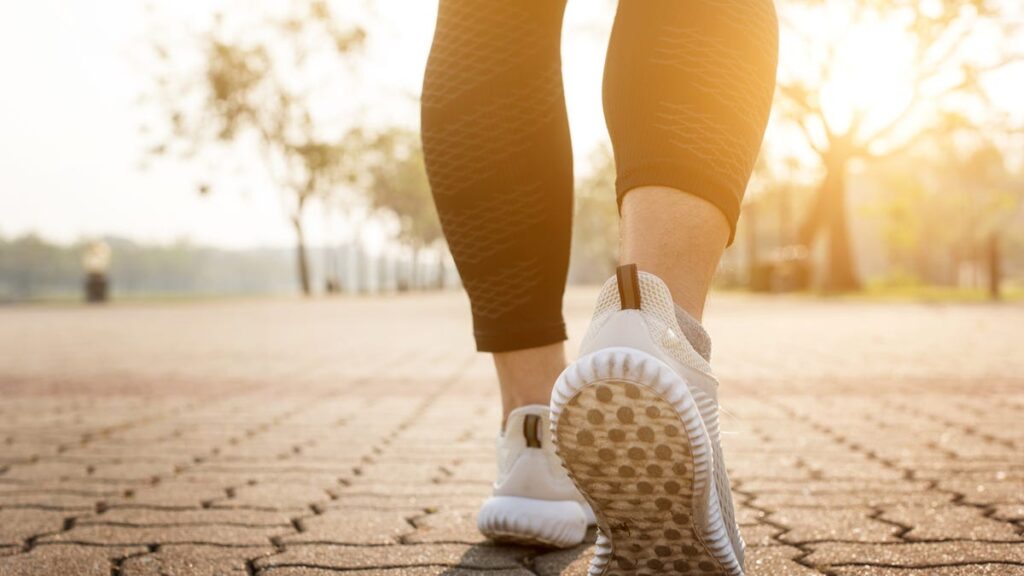
- 15–30 minutes
- You can split it into shorter sessions
- Helps boost fat burning and improves mood
Breathing + Gentle Core Engagement
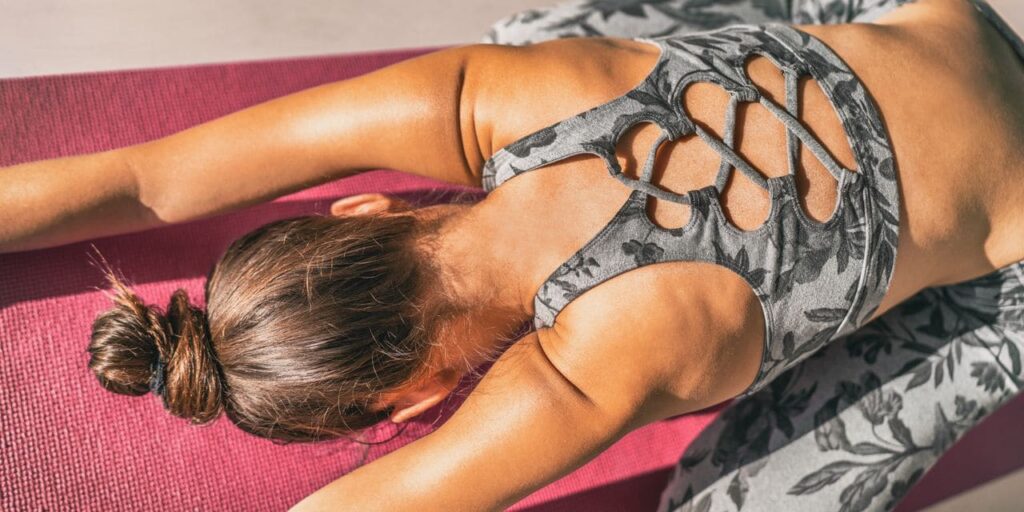
- Pull your belly in while breathing
- 5–10 minutes
- Great for the core without putting pressure on it
Kegel Exercises
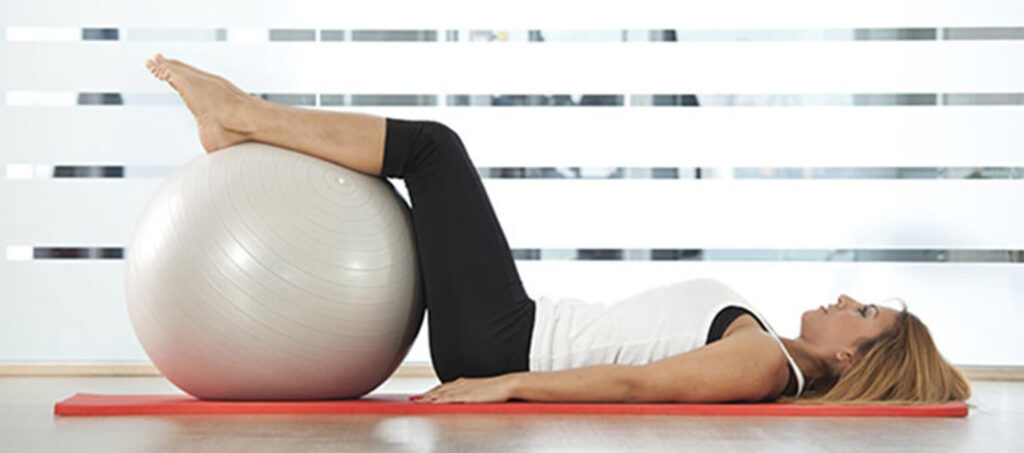
- Strengthen the pelvic floor muscles
- Help improve belly appearance gradually
- 10–15 reps daily
Glute Bridge
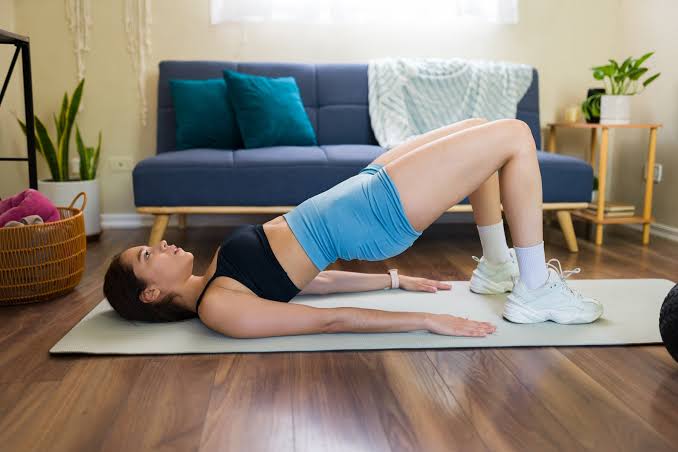
- Strengthens the glutes and core
- 2 sets × 10 reps
- Slow and controlled, no rushing
Stretching Exercises
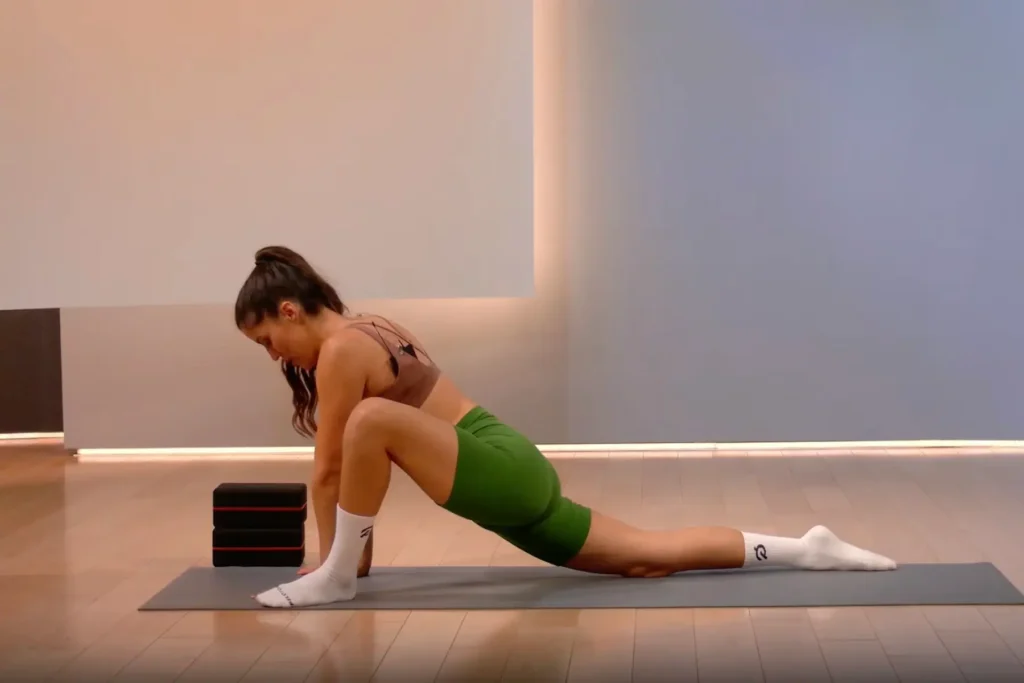
- Reduce lower back tightness
- Improve flexibility
- Great before bed
Weekly Exercise Split
- 3 days: Walking + light exercises
- 2 days: Kegels + stretching
- 1 day: Rest
- 1 day: Light movement (cleaning, playing with your baby)
If a whole week passes without exercise? It’s not a disaster. Just come back gently.
The Bottom Line
A postpartum weight loss plan isn’t a quick project. It’s about rebuilding a new relationship with your body after a major phase of your life. You’re not required to “go back to how you were.” What really matters is feeling better on the inside calmer, stronger, and more at peace. And remember, a body that carried a pregnancy and gave birth deserves respect, not pressure or rushing.
Read also: Top Healthy Pregnancy Snacks Every Mom-to-Be Should Try
Health & Fitness Disclaimer: “The content provided in this article, including nutritional plans and exercise programs, is for general educational purposes only and is not a substitute for professional medical advice. Because nutritional needs and physical capabilities vary significantly between individuals, you must consult with a physician, certified nutritionist, or a qualified fitness professional before making major dietary changes or starting a new training regimen. Any reliance on the information provided herein is at your own risk, and we shall not be held liable for any injuries or health issues resulting from the use of this content.”