A Complete Guide to Weight Loss Drops: Benefits, Risks, and How to Use Them Effectively
Being overweight can be mentally and physically exhausting. A lot of people try dieting, working out, and extreme restriction, and in the end the results either come very slowly or don’t come at all. That’s where the curiosity starts around anything that looks “easier” or “faster.” One of the most talked-about things lately is weight loss drops. The tempting idea is that you just take a few drops instead of changing your whole lifestyle. But is it really that simple? Or are there important details we need to know before deciding to use them?
What are weight loss drops and how are they used?

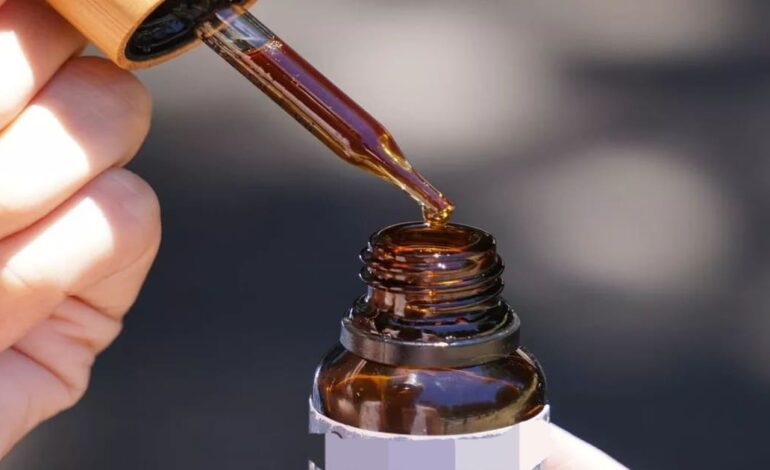
Simply put, weight loss drops are liquid dietary supplements, usually taken in drop form. The main idea behind them is convenience they’re easy to use and don’t require swallowing pills or capsules, which is a big reason many people prefer them over other supplement forms. These drops are usually taken in one of two ways:
- Either placed under the tongue and held there for a short time before swallowing
- Or added to a glass of water and drunk
The method depends on the product, but in all cases the goal is for the ingredients to enter the body relatively quickly.
What’s important to understand is that these drops are not medicine and not a medical treatment for obesity or weight gain. They’re classified as dietary supplements, meaning their role is supportive, not curative. Companies that make them often claim they help the body in different ways like slightly reducing appetite, supporting metabolism, reducing water retention, or helping control eating habits, including emotional eating or constant snacking. But we need to be realistic.
These drops don’t dramatically change how the body works, and they’re not a miracle solution. If they have any effect, it’s usually mild and closely tied to your overall lifestyle not the drops alone. That’s why using them without balanced eating or basic awareness around food usually doesn’t lead to real results.
The biggest selling point of weight loss drops is their ease of use. No complicated schedules, no feeling like you’re “on treatment,” which makes them feel mentally easier for many people especially those who are exhausted from strict diets or demanding routines.
Read also: Lose Weight in a Month: A Healthy One-Month Experience
How do they actually work?
Medically speaking, there’s a very important point we need to be clear about from the start: there are no weight loss drops that make you lose weight on their own. There are no drops that enter the body and directly burn fat or suddenly change body composition, no matter how some ads try to make it look.
What usually happens in most cases is one or more of these mild effects:
- A slight effect on appetite: Some ingredients may reduce hunger a bit or help you feel full faster, which can lead to eating smaller portions without feeling extreme deprivation.
- Temporary fullness: Especially if the drops contain fiber or ingredients that slow digestion slightly. This fullness is temporary, not a real change in the body’s energy needs.
- A mild effect on the digestive system: Like reducing bloating, improving digestion, or easing constipation. Sometimes this makes the number on the scale go down, but it’s not fat loss.
- Loss of body water: Some drops contain diuretic ingredients that reduce water retention. This can cause quick weight loss, but once the body returns to its normal balance, the weight often comes back.
So if someone notices weight loss while using weight loss drops, it’s usually because:
- They unintentionally ate less
- Their body lost water, not fat
Not because the drops themselves “burned fat” or magically boosted metabolism.
The bottom line is that real fat loss always requires:
- A calorie deficit
- Movement
- Consistency
Anything else is just a supporting factor, not a core solution.
Types of weight loss drops
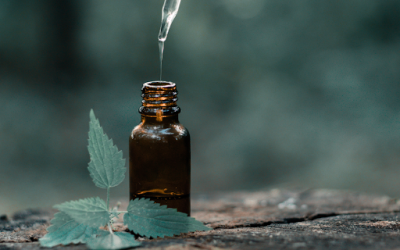
Not all weight loss drops are the same. The main differences are in the ingredients and how they work not in the name or the packaging. That’s why it’s important to understand the common types, so the reader knows exactly what they’re dealing with and doesn’t get misled by marketing terms.
1. Herbal drops
This type is based on plant extracts and natural herbs, and it’s often marketed as “safe” or “natural.” These ingredients may include herbs that help digestion, slightly reduce appetite, or reduce bloating and water retention.
The effect of herbal drops is usually mild and slow, and not everyone feels the same results. Also, “herbal” doesn’t always mean 100% safe some herbs can cause side effects or interact with other medications.
2. Homeopathic drops
These drops follow the principles of homeopathy, which relies on substances diluted to extremely low concentrations. From a scientific and medical point of view, the effectiveness of this type for weight loss is highly debated, and there’s no strong evidence that it directly affects fat loss or metabolism. Many people use them because they feel gentle on the body, but relying on them alone for weight loss usually doesn’t lead to clear results.
3. Drops with metabolism-stimulating ingredients
This type contains ingredients that slightly stimulate the body, such as caffeine, green tea extract, or similar compounds. The idea is that these ingredients may increase energy levels or boost metabolism in a mild, temporary way.
The issue is that this effect isn’t long-lasting, and some people may experience side effects like:
- Heart palpitations
- Nervousness
- Insomnia
Because of that, this type isn’t suitable for everyone, especially people who are sensitive to caffeine.
4. Appetite-control drops
These are designed to reduce the urge to eat, especially sweets or snacking between meals. Some work by creating a feeling of fullness or reducing emotional eating cravings.
The effect here is more behavioral than physical. If someone uses that feeling as a chance to organize their eating habits, they may see a difference. But if they go back to old habits, the results usually disappear.
Common ingredients and their real, scientific effects

Let’s look at the ingredients that show up a lot in weight loss drops with a realistic, science-based view away from ads and exaggerated claims. Most of these products rely on a small group of familiar ingredients, but the key is understanding what they actually do and where their limits are.
1. Green tea extract
Green tea extract is one of the most common ingredients in weight loss products. Scientifically, it may help slightly increase metabolism, mainly because it contains antioxidants and small amounts of caffeine. But this effect is very limited and weak, and it’s not enough on its own to cause noticeable weight loss. In other words, no real fat loss happens just because you drink green tea or take its extract.
2. Caffeine
Caffeine is known for boosting energy and focus, which may make someone move more or feel a bit more active. However, this effect is temporary, and over time the body gets used to it. Many people also react poorly to caffeine, which can lead to:
- Nervousness
- Heart palpitations
- Anxiety or insomnia
That’s why caffeine isn’t suitable for everyone and isn’t always a safe choice.
3. Natural fibers
Fiber is one of the few ingredients that actually makes sense when it comes to weight control. It helps you feel full for longer, supports digestion, and reduces overeating between meals. Scientifically, fiber is relatively safe, but it’s important to be clear:
- It doesn’t burn fat
- It helps you eat less in a natural way
4. Diuretic herbs
These herbs make the body lose more fluids, which shows up on the scale as quick weight loss. The problem is that this loss isn’t fat at all it’s water. Once the body restores its balance, the weight usually comes back. Overuse can also lead to dehydration or fatigue.
5. Vitamins
Some weight loss drops contain vitamins and minerals. If a person actually has a deficiency, vitamins may improve energy levels or reduce fatigue. But it’s important to be clear: vitamins don’t cause weight loss on their own and don’t directly affect fat loss, unless they’re correcting a deficiency that was limiting someone’s activity or energy.
Possible benefits
If weight loss drops are used with common sense and realistic expectations, some people may notice a few mild benefits. But it’s important to understand that these benefits are supportive, not a real treatment for weight issues. Some of the benefits people report include:
- Indirect reduction in food intake: Some drops slightly reduce appetite or help you feel full faster, which can lead to eating smaller portions without a strong feeling of deprivation.
- A mild boost in energy: Especially if the drops contain stimulating ingredients like caffeine or certain vitamins, some people feel a bit more energetic or active during the day.
- Better commitment to a routine: Sometimes just feeling like you’re taking “something helpful” encourages you to stick to balanced eating or cut back on snacking. This psychological factor can be important for many people.
- Less bloating or water retention: Some ingredients support digestion or reduce water retention, which can slightly improve the appearance of the body or belly and create the feeling that weight is starting to shift.
On the other hand, you need to be aware that all of these benefits:
- Are limited in effect
- Vary from person to person
- Don’t last if you return to old habits
So weight loss drops can be a supporting tool in the journey, but they’re never a core solution or a replacement for healthy eating and movement.
Read also: Laxatives for Weight Loss: Myths, Risks, and Health Consequences
Potential risks and side effects

This is the part many people try to ignore, but it’s one of the most important sections in any health-related topic. Even though weight loss drops are supplements, that doesn’t mean they’re always safe or free of side effects. Some possible issues that may happen for certain people include:
- Stomach or digestive problems: Such as cramps, nausea, diarrhea, or general stomach discomfort especially if someone has a sensitive stomach or the product contains strong herbs.
- Headaches or dizziness: This can happen due to stimulating ingredients, loss of body fluids, or eating too little without proper balance.
- Heart palpitations: Especially with drops that contain caffeine or other stimulants. This is a symptom that should never be taken lightly.
- Anxiety or insomnia: Some people experience increased nervousness, trouble sleeping, or irritability, which can negatively affect overall health and even weight loss efforts.
- Interactions with other medications: Certain herbs or ingredients may interfere with medications for blood pressure, heart conditions, diabetes, or thyroid issues a real risk many people overlook.
- Psychological disappointment: When someone starts with high expectations and then realizes the results are weak or temporary, it can lead to frustration and giving up altogether.
The most serious issue is when people start relying on the drops and neglect healthy eating or movement, as if the drops will do all the work. Unfortunately, this often leads to the opposite result and can harm the body more than it helps.
Who should avoid using them?
Even though weight loss drops are classified as dietary supplements, there are certain groups who need to be extremely careful and in some cases, it’s better to avoid them completely. For these people, the risks may be greater than any potential benefit. These groups include:
Pregnant and breastfeeding women
During this time, the body is more sensitive, and any added substance could affect the mother or the baby. Most supplements don’t have enough research proving they’re safe during pregnancy or breastfeeding, so it’s always safer to stay away from them.
People with heart conditions or high blood pressure
Especially drops that contain caffeine or other stimulants, as they can increase heart rate or raise blood pressure, which can be dangerous for those with heart issues.
People with thyroid disorders
Anything that affects metabolism or hormones can disrupt thyroid balance, whether it’s underactive or overactive. This makes using these drops particularly sensitive in such cases.
People taking long-term medications
Such as medications for diabetes, blood thinning, blood pressure, or depression. Some ingredients can interact with these drugs and change how they work even if the ingredients are labeled as “natural.”
People with eating disorders
Like binge eating episodes or an unhealthy obsession with weight. These supplements can increase psychological pressure or deepen an unhealthy relationship with food.
In these situations, any dietary supplement not just weight loss drops should be approached with extreme caution. The decision should always be thoughtful and based on protecting your health before chasing any aesthetic goal.
How to use them safely
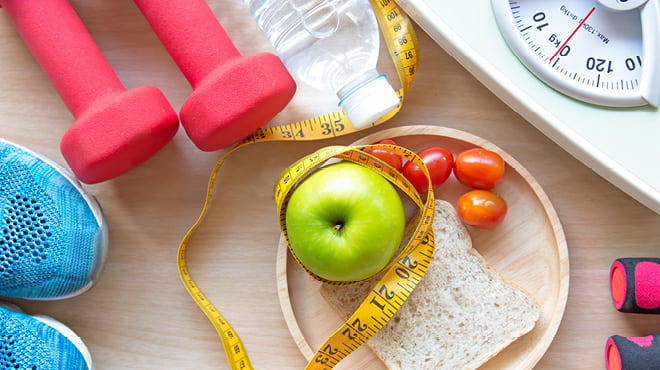
If you decide to use weight loss drops, the most important thing is to go into the experience with a calm mindset and realistic expectations. The priority here is safety, not rapid weight loss. Without getting into medical dosages or instructions, these are some general guidelines that can help you use them more safely:
- See them as a supporting tool, nothing more
Think of them as a small aid within a healthy lifestyle not a main solution or a replacement for balanced eating and movement.
- Don’t rely on them alone
Using drops without making any changes to your diet or daily habits usually won’t lead to real results and may just waste your time and effort.
- Pay close attention to your body
Any unusual symptoms like dizziness, heart palpitations, stomach issues, or increased anxiety should be taken seriously. Your body always gives signals.
- Stop immediately if you feel unwell
No supplement is worth pushing through discomfort or feeling bad. Stopping is a healthy decision, not a weakness.
- Stick to balanced meals and enough water
Regular meals, enough protein, vegetables, and proper hydration are the real foundation of healthy weight loss. Drops alone can’t replace that.
And one key rule to always keep in mind: if a product promises very fast or dramatic weight loss with no effort, that’s a clear red flag. In health, anything that sounds “magical” usually comes with exaggeration or risk.
Do they actually cause weight loss, or are they just a support tool?
The honest and straightforward answer, with no sugarcoating: weight loss drops don’t make you lose weight on their own. There’s no supplement, drops, or product that can create real fat loss without changes in lifestyle. That’s a medical fact, no matter how different the names or marketing claims are.
If weight loss happens while using these drops, it’s usually because of one or more of the following reasons:
- They helped you eat less: Either by slightly reducing appetite or making you feel full faster, which led to lower calorie intake without feeling constantly pressured.
- You became more consistent: Starting something new often makes people take the process more seriously organizing meals and cutting down on random eating. That alone can make a noticeable difference.
- They motivated you to start changing: For some people, the drops act as a “first push” that encourages them to walk more, drink more water, or stick to a healthier routine.
So simply put, the drops themselves aren’t what causes weight loss.
They’re a supportive tool that may help reinforce change, but they’re not a replacement for it.
The real foundation always comes down to:
- Balanced eating
- Movement that fits your body
- Mental and emotional well-being
Without these three, any results will be temporary with or without weight loss drops.
Final takeaway
If you’re thinking about using weight loss drops, make sure your decision is based on awareness not false hope. There’s no product that can shortcut the entire journey, but there are tools that can help if they’re used the right way. Weight loss isn’t a race. It’s a journey that needs patience, understanding, and kindness toward yourself. Listen to your body, and always choose your health before any number on the scale.
Read also: Free Weight Loss Plan Without Harsh Diets
Frequently Asked Questions (FAQ)
They may help a little, but they don’t cause weight loss on their own. Any results usually come from eating less or changing habits, not from the drops themselves.
There’s no reliable evidence that she used weight loss drops. Her weight loss was linked to dietary and health changes, not supplements.
There’s no single “best” drug that works for everyone. Weight loss medications are prescribed only for specific cases and always under medical supervision.
Medical Disclaimer: Since nutritional needs vary from person to person based on health status, age, and medical history, we strongly recommend consulting your physician or a certified nutritionist before starting any new diet or changing your eating habits, especially if you have chronic conditions or are taking specific medications. Accordingly, the nutritional information provided in this article is for educational and informational purposes only and should not be considered medical advice or a formal diagnosis.