Pregnancy Workout Plan: Safe Exercises for Every Trimester
For many women, the moment they hear the word exercise during pregnancy, scary thoughts pop up right away: “Could this hurt the baby?” “Is there a risk of miscarriage?” “Is it better to just rest and do nothing?” The truth is, too much rest can sometimes be more harmful than smart, gentle movement. That’s where a well-thought-out pregnancy workout plan comes in. Not a plan built on fear, and not one driven by overconfidence either. Just a balanced routine that moves with your body, listens to it, and supports you through every stage of pregnancy.
Before Any Pregnancy Workout Plan: A Few Important Words
Any exercise during pregnancy should come from one place only: safety.
- Not excitement.
- Not comparison.
- Not the idea that you “shouldn’t be lazy.”
Your body is already working at full capacity right now, so any extra movement needs to be well thought out.
First and this is not just a formality get your doctor’s approval. Especially if you have a history of miscarriage, unstable blood pressure, gestational diabetes, ongoing back or pelvic pain, or if your pregnancy is considered high-risk. This approval isn’t a routine step; it’s reassurance for you before putting in any effort, even a light one.
Second: don’t hold your breath. If you notice yourself automatically holding your breath during an exercise, that’s a sign the intensity is too much. Breathing should stay natural and easy. Any move that makes you feel overly tense is probably not right for this stage.
Third and maybe the most important no pain. There’s a clear difference between mild fatigue or a gentle stretch feeling, and actual pain. Light tiredness is normal and passes. Pain is not. Pain is a message, and during pregnancy, your body’s voice should be heard, not ignored.
Also, watch out for warning signs you should never push through: If you feel sudden dizziness, bleeding, strong cramps, unusual heart palpitations, or shortness of breath that doesn’t feel like normal effort stop immediately. No “just one more rep” or “one last minute.” Stopping here isn’t weakness; it’s awareness.
And honestly, let’s say this clearly: sweat is not a measure of success, and it’s not proof you did things right. During pregnancy, calm consistency matters way more than intensity. The goal is to move so your body feels supported, not pressured.
Why a Pregnancy Workout Plan Matters
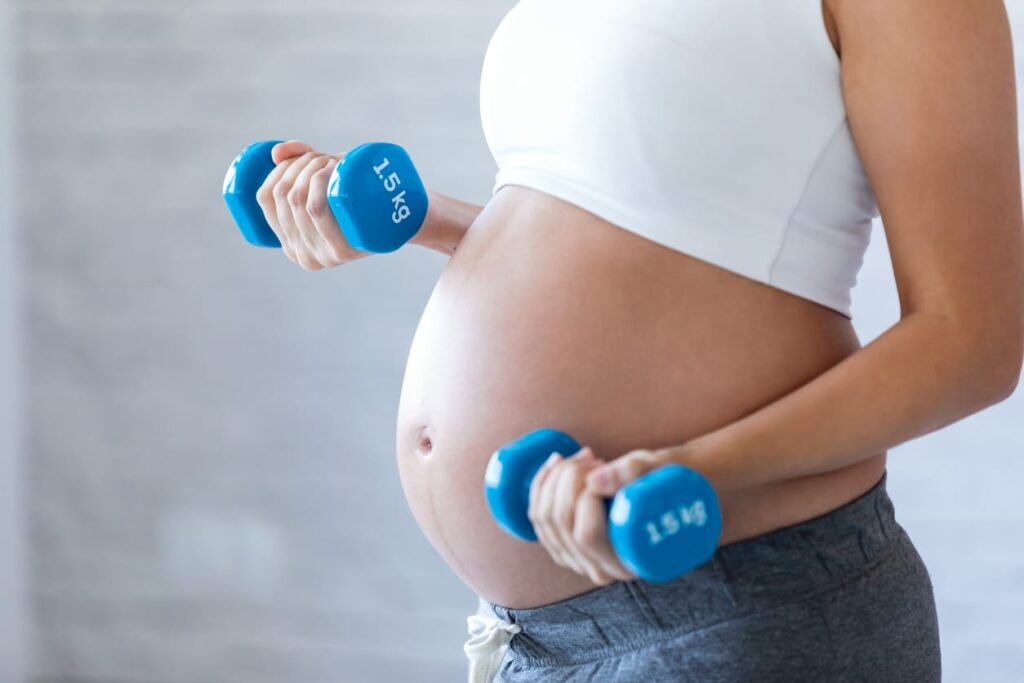
Let’s clear one common idea first. Exercising during pregnancy isn’t about looks. It’s not about the scale, and it’s not about someone telling you, “Good job.” It’s also not about proving that you’re strong, active, or “not lazy.” Pregnancy on its own is already a huge effort. It doesn’t need proof.
The idea behind a pregnancy workout plan is simply to help your body work with the changes happening, instead of fighting them. Every week, your weight shifts, your balance changes, and your muscles start working in new ways. Movement here becomes a way to organize and support your body, not to push it.
The right kind of exercise can really make a difference in small things that have a big impact:
- It helps reduce sudden back pain, especially from long sitting hours or awkward sleeping positions.
- It improves blood circulation, which can ease heavy legs and swelling that show up by the end of the day.
- It lowers tension not perfectly, but enough to release some of the stress your body holds without you noticing.
- It helps you sleep better, even if sleep comes in short or broken stretches. Gentle movement helps calm the body.
- It prepares your body for labor and recovery afterward, without making it feel like a stressful challenge or a test.
Many people think complete rest is the safest option sitting as much as possible and avoiding movement. But the truth is, too much sitting can actually increase pain and make the body feel stiffer and heavier. Regular light movement, even just ten minutes, is often far kinder than spending the whole day without moving at all.
Read also: A Smart Postpartum Weight Loss Plan Without Harsh Diets
Dividing the Plan by Pregnancy Stages
Pregnancy isn’t one fixed phase, and it doesn’t feel the same from start to finish. Every stage has its own rhythm, its own energy level, and its own limits when it comes to movement. That’s why any successful pregnancy workout plan needs to be adjusted by trimester, not follow one routine from day one until the end. What feels right early on might become too much later, and what feels difficult at first may actually get easier over time. This kind of division isn’t complicated—it actually makes exercise calmer, safer, and more in tune with what your body really needs.
First Trimester (Weeks 1 to 12)
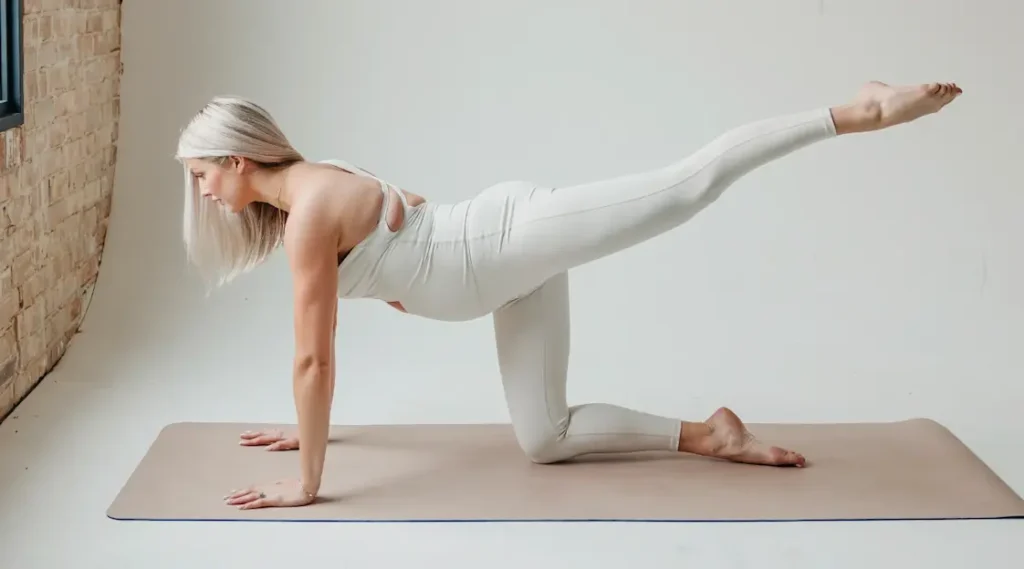
The first trimester is often the hardest, both physically and mentally, even if the pregnancy doesn’t show much yet. Fatigue can hit suddenly, nausea may show up at any time, and focus isn’t what it used to be. On many days, just getting out of bed feels like an achievement.
So in this stage, you’re not expected to be active or stick to a strict routine. The goal is simply to listen to your body and not push it. Movement here is meant to keep your body feeling alive not to add more load.
Suitable exercises:
Light walking
- 15–20 minutes
- You can split it during the day (10 minutes in the morning + 10 in the evening)
Slow, relaxed walking no rushing, no reaching the point of being out of breath. At this stage, walking isn’t really “exercise” in the usual sense. It’s more about getting your body out of stiffness and helping circulation without extra effort.
Breathing exercises
- Slow inhale through the nose
- Long, gentle exhale through the mouth
- About 5 minutes
Deep breathing is more powerful than many people think. It helps relax the body, reduces tension, and can make nausea easier to deal with. You can do it sitting down or even lying in bed.
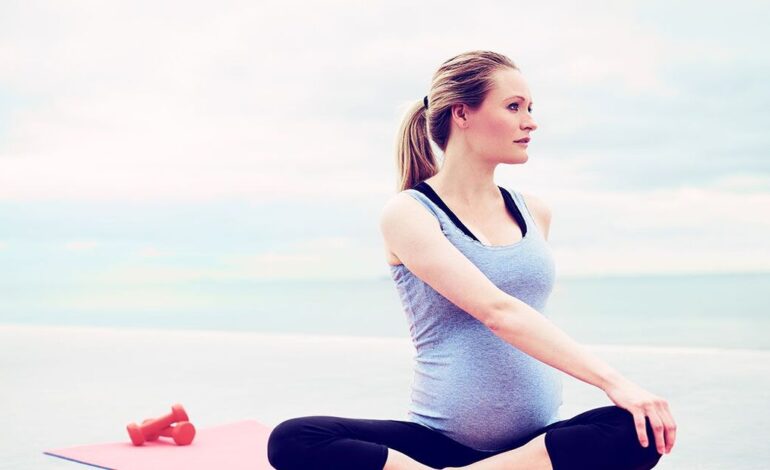
Gentle stretching
- Neck
- Shoulders
- Lower back
- Very slow, with no force
Stretching here is just to release stiffness from sleeping a lot or sitting too long not to “push” flexibility. Any movement that feels like too much? Skip it immediately.
A gentle warning:
If you’re having a heavy day, nausea is strong, and you truly can’t move at all that’s completely okay.
- It’s not laziness.
- It’s not failure.
- It’s not doing something wrong.
Your body is adjusting to major internal changes and sometimes it just needs calm. Some days movement will feel easy, other days it will feel almost impossible. Both are normal. The simple rule here is: do what you can today. and leave the rest for tomorrow.
Second Trimester (Weeks 13 to 27)
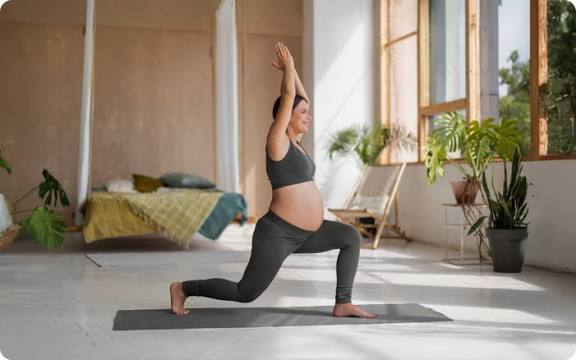
The second trimester is usually the phase where you start to feel more like yourself again. Nausea eases up, energy slowly comes back, and your belly isn’t heavy enough yet to limit movement. That’s why this period is a great time to build a simple, steady routine without rushing and without pressure.
The idea isn’t to “take advantage” of this phase by pushing yourself to the max. It’s about moving in a way that feels comfortable and helping your body get used to regular movement that will support it in the weeks ahead.
Suitable exercises:
Moderate walking
- About 30 minutes
- Can be continuous or split into shorter walks
A pace that keeps you warm and moving, without heavy breathing. Walking at this stage supports heart health, improves circulation, and keeps your body active without exhaustion.
Light strength exercises
- Gentle squats within a comfortable range
- Glute bridges to support the hips and glutes
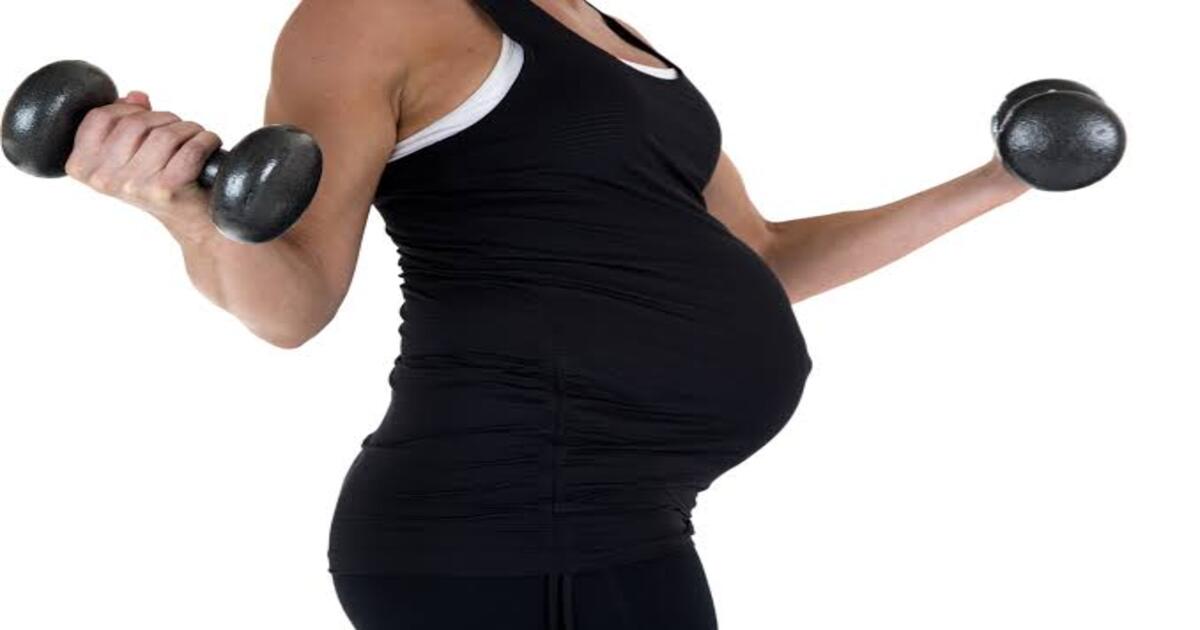
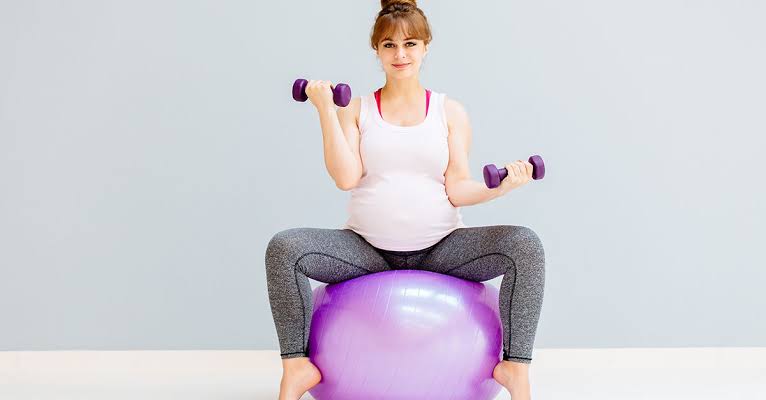
- Light arm exercises with very light weights or no weights at all
The goal here is to support the muscles carrying the increasing weight especially the back and hips not to build muscle or overload the body.
Kegel exercises
- 10 to 15 repetitions
- Once a day is enough
Kegels gently strengthen the pelvic floor muscles and help during pregnancy and after birth, without feeling demanding.
A small note:
You don’t have to do all of these exercises in one day. You can have a walking day, a light strength day, and an easier day or even a rest day. Spreading things out is much more comfortable and makes it easier to stay consistent over time. What matters most is that movement feels like a natural part of your day, not a heavy task that needs mental effort before you start.
Third Trimester (Week 28 Until Birth)
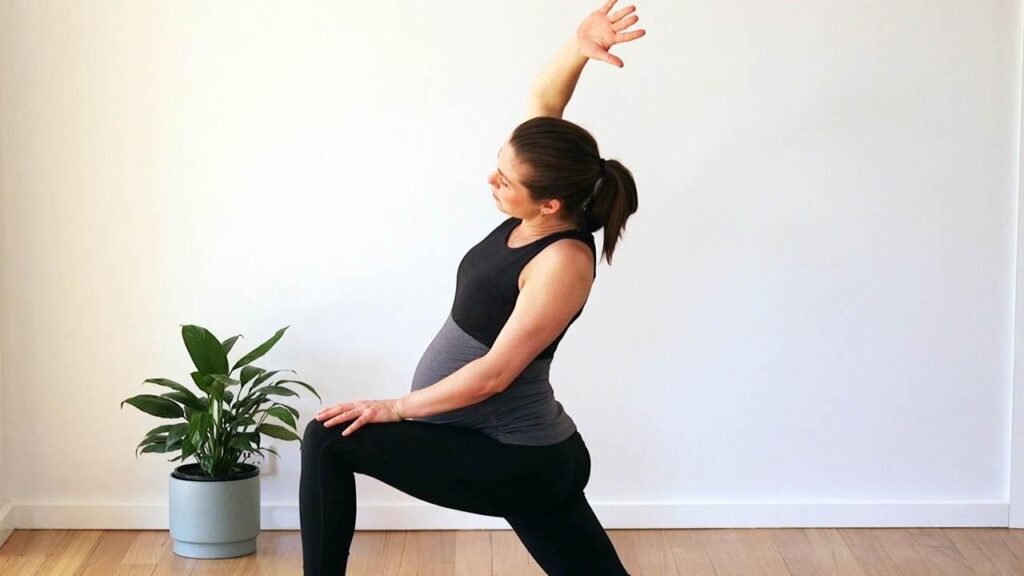
At this stage, everything naturally slows down and that’s completely normal. Your body feels heavier, your center of balance has shifted, breathing may feel a bit shorter, and movement simply takes more time. None of this means you’ve become “weaker.” It just means your body is preparing for labor.
Exercise here isn’t about fitness levels or maintaining performance. The main goal is comfort, easing pressure, and helping your body move without feeling forced.
Suitable exercises:
Slow walking
- 10–20 minutes
- On flat ground
A very comfortable pace you should be able to talk without losing your breath
Even short walks at this stage make a difference. They help circulation and reduce stiffness.
Pelvic opening movements
- Like the cat–cow pose
- Slow, gentle movement with the breath
- No pressure on the belly
These movements help release back tension and allow the pelvis to move more freely, which feels especially relieving in the final months.
Lower back stretches
- Very gentle stretching
- No strong pulling
- Stop as soon as you feel discomfort
The goal here is to release pressure, not to push for a full range of motion.
Deep breathing in preparation for labor
- Calm inhale
- Longer, slower exhale
- Focus on relaxation
At this stage, breathing isn’t just an exercise it’s a real calming tool, and you’ll need it more than you might expect later on.
A final warning:
Exercises that require lying on your back for long periods are best avoided, as they may reduce blood flow. And any movement that makes you feel off-balance, causes sudden strain, or feels unsafe stop immediately. There’s no reason to take risks. In the third trimester, the rule is simple: safety first, comfort before anything else. Movement is there to ease your body, not to exhaust it.
Weekly Pregnancy Workout Plan
Think of this plan as a flexible guide, not a strict commitment. Some weeks you’ll follow it fully, other weeks you’ll adjust it or do less and that’s completely normal. The idea is to stay gently active without feeling like you’re stuck in an exhausting program. 3 days per week, adjustable based on your energy.
- Day One
- Walking: 20–30 minutes
A calm, easy walk where you can talk without getting out of breath. If you prefer to split it during the day, that’s totally fine.
- Breathing exercises: 5 minutes
Slow inhale, with a slightly longer exhale. The goal is to calm the body, not to “perform” anything.
- Day Two
- Light strength exercises: 15–20 minutes
Choose just two or three movements, like gentle squats, glute bridges, or light arm exercises. No need for many reps or pushing yourself.
- Kegel exercises: 10 repetitions
Slow and controlled, without tightening the glutes or thighs.
- Day Three
- Stretching + relaxation
- Simple movements for the neck, back, and hips.
- Deep breathing, focusing on longer exhales and the feeling of calm after movement.
If you feel like adding a fourth day, make it walking only. No extra exercises, no mental pressure. And always remember this: real consistency isn’t about how many days you work out. It’s about coming back to movement whenever you’re able.
Read also: Pregnancy Diet Plan: A Complete Guide to Healthy Eating for Expecting Moms
Common Questions That Often Stay Unsaid
- Can exercise harm the baby?
This question is completely natural. Most pregnant women think about it, even if they don’t say it out loud. The simple answer is:
The right kind of exercise doesn’t cause harm.
What can actually be harmful is total inactivity or going to extremes. That means not sitting all day without moving, but also not pushing your body as if you weren’t pregnant. The safe place is in the middle. Gentle, well-chosen movement supports your health and your baby’s health, and helps your body handle all the changes better.
- Do I have to exercise throughout the entire pregnancy and stay consistent?
No. A thousand times no. Pregnancy isn’t a straight line. Some weeks you’ll feel energetic and ready to move, and other weeks even small movements will feel like a lot. That’s completely normal. There’s no rule saying you must follow the same routine from start to finish. The plan changes with the stage you’re in and with how you’re feeling mentally and physically.
- If I don’t exercise, does that mean I’m doing something wrong?
Not at all. You’re not taking a test.
If there are days when you just can’t move, that’s not failure and it’s not laziness. But if you can move a little even a ten-minute walk your body will usually thank you. Movement here is a supportive choice, not a heavy obligation.
In the end, always come back to one simple question:
Does what I’m doing make me feel comfortable and safe?
If the answer is yes, then you’re on the right path.
Final Thoughts
A pregnancy workout plan isn’t a list of strict rules. It’s a framework. Something you can expand, scale back, or adjust depending on your day, your mood, and how your body feels. Pregnancy is a sensitive phase. It doesn’t require perfection it requires awareness. A bit of movement. A bit of rest. And a lot of respect for a body doing some seriously important work.
Read also: Top Healthy Pregnancy Snacks Every Mom-to-Be Should Try
Physical Safety Disclaimer: The exercises presented here are intended for general guidance only. Engaging in physical activity may involve risks of injury if not performed correctly or if the exercises are not suited to your physical capabilities. Please consult a qualified fitness trainer or a medical professional to ensure these exercises are appropriate for your health condition. Stop exercising immediately if you experience pain or dizziness. Your participation in these exercises is at your own risk.